Why 'Black Sheep' by Sneaker Pimps Cuts Deep
The meaning of Black Sheep Sneaker Pimps starts with a simple but painful idea: some people get marked as outsiders, then treated like that label is their whole identity. On "Black Sheep," Sneaker Pimps turn that idea into something bleak, tense, and strangely defiant.
"Black Sheep" - Sneaker Pimps
We're the black sheep
Sewn apart and Siamese
Loading lyrics...
Unable to load lyrics
We're unable to display the lyrics at this time. Please try again later.
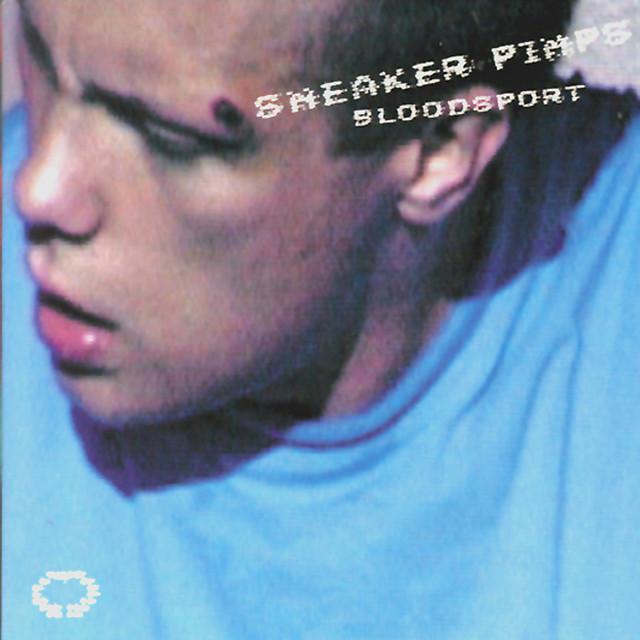
The song appears on Bloodsport, the band's third studio album, released in 2002, according to Wikipedia. That record arrived late in the group's first run and carried the dark electronic and trip-hop mood that had defined much of their work. In that setting, "Black Sheep" feels like one of the clearest statements of alienation on the album.
The Song's Core Wound
At the center of the track is social rejection. The speaker does not just feel misunderstood; they feel branded. Early on, the song uses we're branded
and then repeats the black sheep
, which suggests shame being imposed from the outside.
That matters because the song is not mainly about personal guilt. It is about what happens when a group, family, scene, or society decides who belongs and who does not. The title image carries a long cultural meaning: the black sheep is the odd one, the embarrassment, the one people talk about rather than listen to.
Interpretation: The song suggests that once this role is assigned, it becomes hard to escape. The speaker sounds trapped inside a story other people have written about them.
Watch the official Black Sheep
music video
A Voice Speaking for the Rejected
One striking feature is the use of "we." Even when the song describes pain, it sounds collective. That gives the track a shared, almost tribal sadness.
The line about being Sewn apart and Siamese
captures that contradiction well. They are split off from the larger crowd, yet tied tightly to the identity of the outcast. In other words, they are separate from others but unable to separate from the damage done to them.
This is why the song feels bigger than one bad relationship. It sounds like a statement about anyone who has been cast out, watched with suspicion, or treated as disposable.
How the Verses Show Stigma in Action
The verses move from label to consequence. Once the speaker is seen as other, everyday life becomes hostile. The song paints a world where people avoid contact, expect danger, and even seem ready to enjoy the speaker's suffering.
Sneaker Pimps make that hurt plain with phrases like crossing the street
and leave me to bleed
. These are not just dramatic images. They show how rejection becomes physical, public, and humiliating.
The song then shifts toward coping. When the narrator mentions all the pills
, the point seems less about a specific drug than about emotional anesthesia. They are trying to make life bearable after repeated judgment.
Interpretation: This could describe self-medication, but more broadly it points to any numbing habit people use when shame and fear pile up.
The Chorus Turns Shame Into Defiance
The chorus is powerful because it does two things at once. It admits danger and it refuses surrender.
Don't look now, we're branded
We're the black sheep
Those lines frame the whole song. The speaker knows the label is cruel, but they still say it out loud. That choice changes the energy. Naming the insult becomes a way of taking some power back.
Later, the song says they brave the role
of black sheep. That phrase is important. It implies courage, not acceptance. They do not like the role, but they endure it loudly enough that the people judging them do not get the last word.
Water, Shadows, and Higher Ground
The imagery deepens the song's meaning. Water appears when things seem overwhelming, and shadows sit underneath the surface. That creates a feeling of hidden threat, like danger waiting below normal life.
Then the lyric mentions being "shepherded" from higher ground. That word carries a religious and social edge. A shepherd is meant to protect, but here guidance feels controlling. The people in charge may claim they know best, yet the outsiders still end up stranded and drowned out.
Interpretation: The song may be criticizing institutions or authority figures that sort people into safe and unsafe categories. Instead of rescue, the speaker gets management, distance, and silence.
Why the Sound Fits the Message
"Black Sheep" lands because the music supports the lyric. Bloodsport is widely described as a trip-hop album, with darker tones that some critics also tagged as goth-leaning, per Wikipedia. That style suits a song about stigma because it leaves space for menace, exhaustion, and cool control.
The production era matters too. Bloodsport was produced by Jim Abbiss, Flood, Line Of Flight, and 140db, according to the same source. Even without isolating track-specific credits, the album's polished but shadowy sound gives "Black Sheep" a heavy emotional frame. The beat feels steady rather than explosive, which mirrors the song's theme: this is not one sudden trauma, but a repeated social pattern.
Where the Song Sits in Sneaker Pimps' Story
As the fourth track on Bloodsport, "Black Sheep" arrives on an album released near the end of the band's initial run before their long hiatus. The record received mixed-to-negative critical notices at the time and was commercially weak in the UK, though fan response was more positive, according to Wikipedia.
That context makes the song even more interesting. A band known for mood, detachment, and emotional unease made a track that speaks directly to exclusion. Whether listeners hear social commentary, personal collapse, or both, the song still resonates because it captures what it feels like to be pre-judged.
The Lasting Meaning of "Black Sheep"
So what is the meaning of Black Sheep Sneaker Pimps? Most clearly, it is about carrying the pain of being marked as an outsider while refusing to disappear inside that label.
Its great strength is the tension it never resolves: the speaker is wounded, but not silent; cornered, but still laughing loudly enough to survive. That is what gives the song its bite.
Disclaimer: This interpretation is based on the lyrics, the song's sonic context, and publicly available album information. As with most art, other readings are possible.







