Why 'Mommy's Little Monster' Still Bites
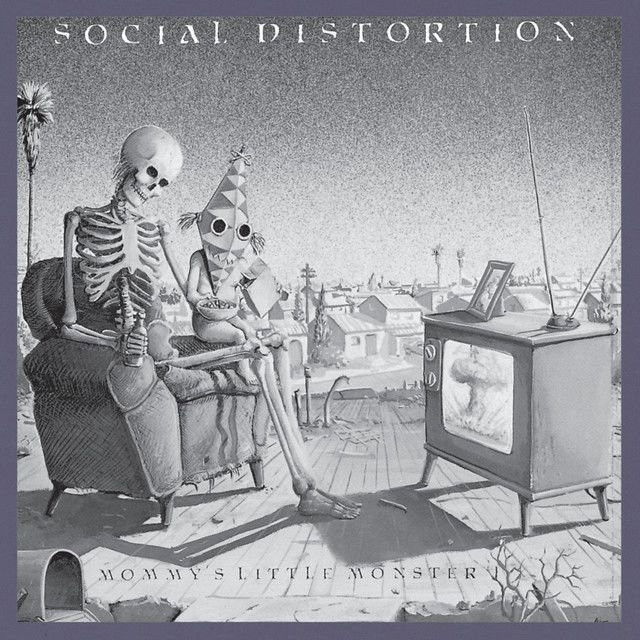
The meaning of Mommy's Little Monster Social Distortion starts with a label. The song takes a phrase that sounds cute, even childish, and turns it into something bitter. Instead of a harmless family nickname, “mommy's little monster” becomes the tag adults use for kids who do not fit the plan.
"Mommy's Little Monster" - Social Distortion
Mommy's little monster broke all the rules
He loves to go out drinking with the boys
Loading lyrics...
Unable to load lyrics
We're unable to display the lyrics at this time. Please try again later.
On the surface, the song is about troublemakers. Under that, it is about shame, class pressure, family judgment, and the punk scene as a refuge for people society had already written off.
A Punk Portrait of the Outsider
Social Distortion released “Mommy's Little Monster” on their 1983 debut album of the same name. That record came out in June 1983 and was recorded in a single long session on December 24, 1982, in Fullerton, California. It was produced by Chaz Ramirez and the band, and it captured their early punk and hardcore edge before their later roots-rock sound took over.
The album is often described as a key Southern California punk release, and reviews later praised its attitude, speed, and anti-establishment streak. AllMusic called it a snapshot of early suburban California punk and said the title track reflected the kinds of people the band saw around them in that scene.
Watch the official Mommy's Little Monster
music video
The Core Meaning: A Label Hides a Wound
The song introduces young people that parents and society see as failures. One drops out, breaks rules, drinks, and rejects the path of respectable careers. Another leaves home, gets pulled into drugs and risky relationships, and becomes marked by her choices and by what others project onto her.
The repeated title phrase is important because it shrinks a whole life into one insult. The song suggests these characters are not born monsters. They are made into “monsters” by conflict, neglect, pressure, and alienation.
Interpretation: The band seems less interested in condemning these people than in showing how quickly families turn complexity into blame.
The First Verse Attacks the American Success Script
The male character is introduced through refusal. He has dropped out of school
, he has broke all the rules
, and he does not want the classic adult future of status, money, and stability.
That matters because the song is not only about rebellion for fun. It is about rejecting a very specific middle-class script. The line about not wanting to be a professional and get “fat and rich” paints success as spiritually deadening, not aspirational.
Then the song adds a sharp social detail: Unemployment pays his rent
. That line places the character in an economic reality, not just a moral one. He is jobless, drifting, and outside the normal ladder. The song knows this kind of life is both chosen and forced.
Family Judgment Is the Real Villain
The next section widens the pain. His siblings have found success, while his parents say his life is a mess. That contrast matters because it turns one rebel into the family disappointment.
The title phrase works almost like a sneer. “Mommy's little monster” sounds patronizing, as if the family still treats an adult child like a broken toy. The song shows how shame sticks when parents compare one child to the others.
Interpretation: This may be why the song still connects with listeners. It understands that rebellion often grows in homes where acceptance feels conditional.
The Shift to “She” Makes the Song Bigger
Halfway through, the song turns to a female character, and that change expands its point. Now the problem is not just a delinquent son. It is a whole generation of young people living hard, fast, and dangerously.
The lyrics mention drug use, early sex, leaving home, and life on the street. Those details are blunt, but they are not random. They build a portrait of a girl trying to survive through performance, escape, and detachment.
Her appearance becomes a clue to hidden damage. The song notes her altered look and her refusal to explain herself. When the father asks what happened, the answer is basically that harm could come from anywhere. That suggests a life where danger is ordinary.
Sound Matters as Much as the Story
The music helps explain the song's meaning. On the album, Social Distortion played in a raw early-1980s style: fast drums, hard-edged guitars, and a vocal that sounds sneering but tired. That mix creates motion without comfort.
This is not a sentimental ballad about troubled youth. It is a punk song that sounds like it was built inside the same pressure cooker it describes. The tight, aggressive arrangement makes the characters feel trapped in momentum. They keep moving because stopping would mean facing what hurts.
That fits the band's early style on the debut album, which many critics heard as both melodic and confrontational. The hooks pull listeners in, while the rough delivery keeps the song from sounding neat or moralizing.
Why the Chorus Keeps Hurting
The hook repeats the title until it almost loses its literal meaning and becomes a social brand. That repetition is clever. The more the phrase returns, the more it sounds like something the world keeps saying to these people until they start to wear it themselves.
One especially revealing plea is don't take her life away
. That shifts the song from mockery toward vulnerability. Suddenly, beneath the sneer, there is fear. The “monster” is also someone fragile.
Final Take on the Song's Message
The meaning of Mommy's Little Monster Social Distortion is bigger than bad behavior. The song is about what happens when young people cannot or will not fit the approved path, and everyone around them answers with blame instead of understanding.
It is punk storytelling with empathy hidden inside sarcasm. Social Distortion present outsiders as reckless, but also recognizable, wounded, and very human.
Disclaimer: This interpretation is based on the released lyrics, recording context, and documented history around Social Distortion's early era. As with any song, listeners may hear different meanings in the same lines.







