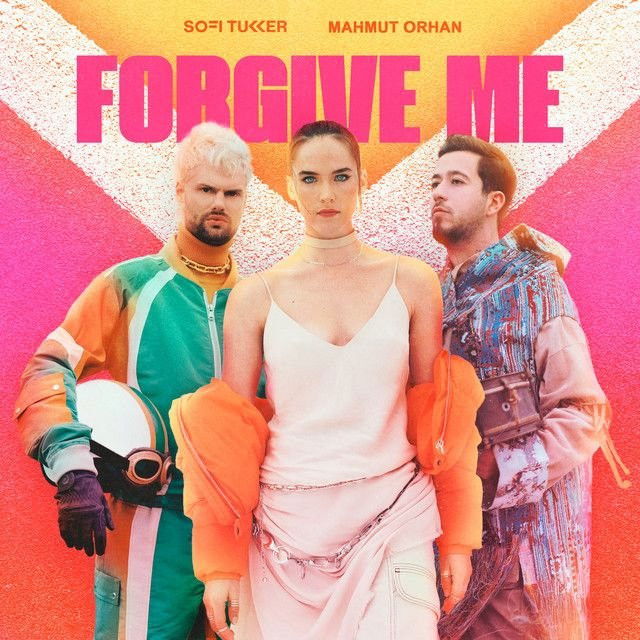
Why 'Forgive Me' Feels Like Love and Blame
The meaning of Forgive Me Sofi Tukker, Mahmut Orhan centers on a painful question: when does love turn into guilt? The song speaks in the voice of someone who still feels attached to another person, yet that devotion now exists beside blame, shame, and emotional exhaustion.
"Forgive Me" - Sofi Tukker, Mahmut Orhan
You were my brain
You were everything to me, everything with me
Loading lyrics...
Unable to load lyrics
We're unable to display the lyrics at this time. Please try again later.
Rather than offering a simple apology song, “Forgive Me” sounds like a portrait of a bond that has broken its balance. One person keeps asking for grace, while also absorbing anger that may not fully belong to them. That tension is what gives the track its sting.
A Plea That Sounds Bigger Than One Mistake
At first, the lyrics frame the other person as central to the narrator’s life. They were once a source of purpose and identity, which makes the collapse feel severe. When that connection changes, the song moves from attachment into hurt almost immediately.
Short phrases like you were my reason
and now there is pain
show that shift clearly. The emotional world has gone from dependence to damage. Even so, the narrator does not stop caring.
Interpretation: This is likely not just about one argument. It feels more like the aftermath of a deep rupture, where one person is still trying to hold the relationship together even after trust or stability has cracked.

Watch the official Forgive Me
music video
The Song’s Most Revealing Conflict
The key emotional twist is that the narrator wants to help, but senses that help is not really wanted. They offer comfort, then pull back. That hesitation suggests they know the other person may only want a target for their pain.
The most telling line of thought arrives when the narrator essentially says they will stand there and take the anger if it helps the other person continue. The short phrase let me help
is quickly undercut by I'll just let you yell
. That contrast matters.
Instead of describing healing, the song describes endurance. The narrator is willing to be misread, reshaped, and blamed. In plain terms, they seem ready to become emotionally smaller just to preserve the connection.
When Apology Becomes Self-Erasure
One of the strongest lines in the song is the idea of being made into someone false. The phrase something that I'm not
suggests the narrator feels distorted by the other person’s grief or anger.
Interpretation: This is where “Forgive Me” becomes more than an apology. It may be about scapegoating—about accepting guilt because that is easier than losing the relationship altogether. The repeated request for forgiveness may be sincere, but it also sounds desperate.
What the Chorus Really Means
The chorus reduces everything to one phrase: forgive me
. Repetition gives it two effects at once.
First, it sounds like a direct plea. Second, it begins to feel almost ritualistic, as if the narrator is trapped in a cycle of asking, waiting, and asking again. That makes the hook emotionally powerful because it does not resolve anything. It just circles the wound.
Please forgive
Forgive me
Even in this brief refrain, the emotional weight is clear. The narrator wants release, but the song never proves that release will come.
Love, Shame, and the Question of Blame
Another important part of the meaning of Forgive Me Sofi Tukker, Mahmut Orhan is the way shame enters the story. The narrator wonders whether the other person takes satisfaction in seeing them feel guilty. That is a sharp emotional detail.
If someone is not only angry but also comforted by another person’s shame, the relationship has moved into a dangerous emotional pattern. The song does not accuse in a loud way. Instead, it quietly asks whether blame has become its own kind of power.
Interpretation: This makes the song feel intentionally ambiguous. They may have done something wrong. But they may also be carrying much more guilt than they deserve. The lyrics leave room for both readings.
Why the Sound Matters So Much
Sofi Tukker are known for dance-pop and electronic music that often blends intimacy with physical rhythm, while Mahmut Orhan’s work also leans on sleek, melodic electronic production. Those artist identities shape how “Forgive Me” lands.
The production style gives the song a steady pulse instead of a raw acoustic fragility. That choice matters. A dance track can create emotional distance on the surface, yet here it does the opposite: the beat traps the listener inside the repetition, much like the narrator is trapped inside apology.
The contrast is effective. The music moves forward, but the words stay emotionally stuck. That split between motion and paralysis is one of the song’s smartest features.
A Simple Story With Messy Emotional Truth
They can hear the song as a three-step emotional timeline:
- A relationship once felt essential.
- Something broke, bringing pain and blame.
- The narrator remains, asking for forgiveness while absorbing emotional fallout.
That structure is simple, but the feelings are not. The song understands that broken relationships rarely end in clean moral categories. People can be loving and damaged, remorseful and mistreated, loyal and lost, all at the same time.
The Lasting Takeaway
What makes “Forgive Me” memorable is not just sadness. It is the uneasy mix of devotion and self-sacrifice. The narrator still reaches outward, even while losing their own shape.
So, the meaning of Forgive Me Sofi Tukker, Mahmut Orhan is best understood as a study in emotional imbalance: a song about apology, yes, but also about what happens when one person keeps carrying the weight of a fractured bond.
Disclaimer: This interpretation is based on the lyrics provided and publicly known artist context. As with any song, meaning can vary by listener and may differ from the artists’ private intent.








