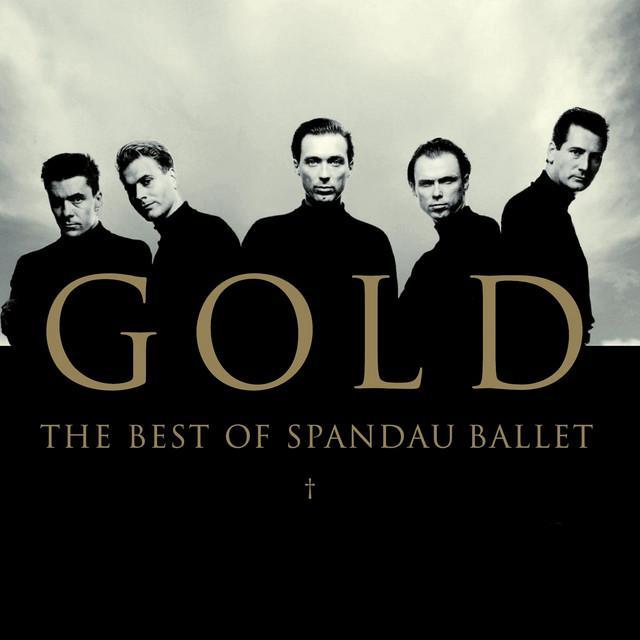
Why "Gold" by Spandau Ballet Still Shines
The meaning of Gold Spandau Ballet starts with a contradiction. The verses sound worn, reflective, and a little bruised. Then the chorus arrives like a spotlight, turning doubt into confidence. That contrast is the key to why the song still feels so big.
"Gold" - Spandau Ballet
Sorry that the chairs are all worn
I left them here I could have sworn
Loading lyrics...
Unable to load lyrics
We're unable to display the lyrics at this time. Please try again later.
Released in 1983 as the fourth single from True, “Gold” became one of Spandau Ballet’s signature hits, reaching No. 2 in the UK and No. 29 on the US Billboard Hot 100. It was written by Gary Kemp and produced by Tony Swain, Steve Jolley, and the band. Research on the song’s background also shows Kemp wrote it as an homage to John Barry-style film themes, especially the Bond tradition.
The Real Heart of the Song
At the center, the song is about belief. More specifically, it is about seeing value in someone when life has become uncertain. The chorus turns that idea into a bold image: gold
is not just wealth or victory. It stands for inner strength, lasting worth, and a kind of emotional invincibility.
The verses, though, are not triumphant. They describe a setting shaped by wear, time, and memory. When the narrator mentions salad days
, they are looking back at youth as something already fading. That phrase suggests innocence and early happiness, but the song immediately undercuts it by showing those days being used up.
Interpretation: This is why the chorus matters so much. It does not deny disappointment. It rises above it.
Watch the official Gold
music video
A Relationship Seen Through Distance
The song sounds like it is addressed to one person, but that relationship is complex. There is admiration, longing, and maybe even a little hurt. The narrator welcomes someone back, remembers an earlier bond, and tries to make sense of how things changed.
A line like partners in crime
points to shared history. They once moved together, perhaps rebelliously, perhaps romantically. But that closeness now feels distant. The song speaks from after the rush, after the excitement, when memory is stronger than certainty.
That is why one of the most striking images is love is like a high prison wall
. The song does not present love as simple freedom. Instead, it can trap, separate, or make one person feel powerless while the other moves on.
Why the Chorus Feels So Huge
The hook is one of the great pop refrains of the 1980s because it transforms the mood of the song. When Tony Hadley sings always believe in your soul
, the track stops sounding like a private regret and starts sounding like a public declaration.
This is more than encouragement. It is a redefinition of the person being addressed. The song says they are not broken by time, romance, or change. In the chorus, they are described as indestructible
, which lifts them from ordinary human vulnerability into almost mythic status.
Interpretation: The chorus can be heard as either praise for a lover or a statement of self-worth. That ambiguity helps explain the song’s wide appeal. Some listeners hear a love song. Others hear a personal anthem.
The Bond Influence Matters
The meaning of Gold Spandau Ballet becomes clearer when the song’s origin is considered. Gary Kemp said he was trying to write his own Bond-style theme, inspired by composer John Barry and the title power of “Goldfinger.” That context explains why the song feels glamorous, dramatic, and slightly larger than its story.
Instead of telling a plain breakup tale, the track frames emotional tension like a movie scene. Even ordinary details in the verses lead toward a chorus that sounds heroic. Critics noticed this at the time: some praised its elegance and drama, while others thought the grand style pushed the lyrics close to camp. Both reactions make sense, because “Gold” lives in that space between sincerity and theatricality.
How the Music Carries the Meaning
The production sells the song’s message. Recorded during the True sessions at Compass Point Studios, with vocals and mixing completed later in London, “Gold” has a polished, widescreen sound. The drums push forward steadily, the keyboards fill the track with shine, and the saxophone adds a rich, classy texture.
Hadley’s vocal is especially important. He sings the verses with control, then opens up in the chorus until the song feels almost architectural, built upward in bright layers. That shift mirrors the lyric’s movement from fading memories to absolute conviction.
In simple terms, the music makes belief sound believable.
Why the Song Lasted
Part of the song’s afterlife comes from how easy its central symbol is to understand. Gold suggests success, excellence, and permanence. That is one reason it became tied to sporting triumph, especially Olympic coverage and celebrations.
But the song lasts for a deeper reason too. It understands that confidence often comes after disappointment, not before it. The verses admit loss. The chorus answers with faith.
Final Take
So, what is the meaning of Gold Spandau Ballet? It is a song about seeing greatness in someone despite time, distance, and emotional confusion. Its genius lies in turning a fragile story into a glamorous anthem.
That reading is an interpretation, not a single confirmed meaning. Like many great pop songs, “Gold” stays alive because listeners can hear their own story inside its shine.







