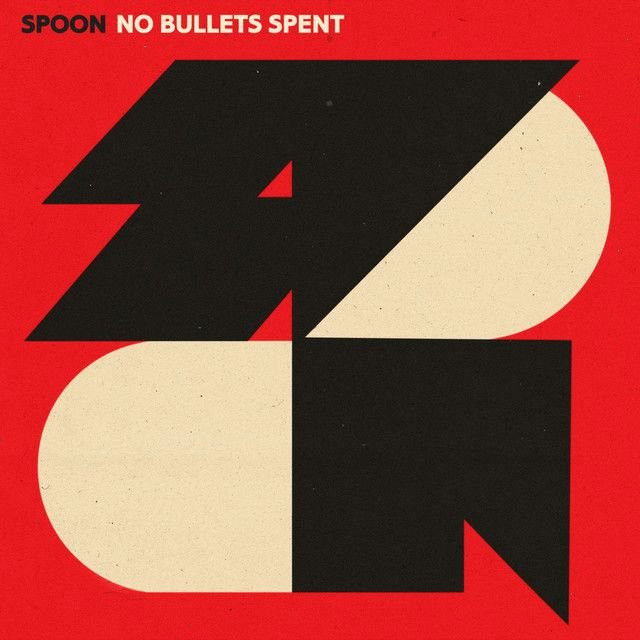
No Bullets Spent by Spoon
A tense song about damage without open violence
The meaning of No Bullets Spent Spoon centers on a strange wish: a disaster that changes everything, but leaves no clear villain behind. The song does not describe a literal shooting. Instead, it uses war language to talk about pressure, control, and the human habit of wanting a clean break from a bad situation.
"No Bullets Spent" - Spoon
There's always some kind of war
And counting his steps
Loading lyrics...
Unable to load lyrics
We're unable to display the lyrics at this time. Please try again later.
Spoon, led by songwriter Britt Daniel, often builds songs out of spare lines, repetition, and mood rather than explicit storytelling. That matters here. The words feel clipped and unresolved on purpose, so the listener sits inside the tension instead of escaping it.
Watch the official No Bullets Spent
music video
The verses paint a world ruled by fear
At the start, the song introduces a figure of power with the master returns
. That phrase suggests authority, hierarchy, and a cycle that keeps coming back. The line about there always being war pushes the mood further: conflict is not an exception here. It is the background noise of life.
Then the image of counting footsteps and knowing someone is at the door turns that conflict into something personal. This is not a battlefield in the usual sense. It feels domestic, psychological, even workplace-like. Someone with power is arriving, and the person in the song braces for it.
Interpretation: the “master” may be a boss, parent, partner, addiction, or even a recurring inner fear. Spoon leaves that open. What stays constant is the imbalance of power.
Escape looks possible, but only in fantasy
The next images offer a brief way out. The listener hears about picturing oneself as a star in the furthest sky
. That is a beautiful image, but it is also distant and unreal. The dream of being far away lasts only until waking life returns.
That is why the line about closing one’s eyes matters so much. The escape vanishes the moment the fantasy ends. In simple terms, the song says imagination can soothe pain, but it cannot fix the systems causing it.
What we need now's an accident
No one to blame
and no bullets spent
This hook is the key to the song. It describes a desire for upheaval without direct guilt. They want something to break the pattern, but not through a chosen attack. The phrase no bullets spent
implies damage has been done without an obvious act of aggression. That makes the chorus feel morally slippery and emotionally honest at the same time.
Why the chorus sounds so cynical
The chorus is catchy, but its logic is dark. An “accident” would let everyone avoid responsibility. If no one pulled the trigger, then no one has to admit what they wanted. That idea connects to passive aggression, denial, and social systems where harm happens but nobody claims ownership.
This is where the song gets sharpest. It is not simply about wanting chaos. It is about wanting release from a trap while also wanting innocence. That contradiction gives the track its bite.
Growing up is part of the wound
Later, the song shifts from abstract threat to adult disappointment. The repeated thought Don't know what you got
sounds familiar at first, almost like an old saying. But Spoon twists it by tying loss to age and obligation.
The reference to being twenty-two and having a mortgage around the neck is especially telling. That image turns adulthood into weight. Education, property, and responsibility are supposed to mark progress, yet here they feel like confinement.
Interpretation: the song may be describing the moment when youthful possibility hardens into adult compromise. The dream of becoming a “star” gives way to debt, routine, and resignation.
How the sound carries the message
Spoon’s style helps sell the meaning. Their records often use tight grooves, dry drum sounds, and negative space; those traits are a big part of the band’s identity, as heard across their catalog on Discogs. In this song, the arrangement feels lean and insistent rather than huge or comforting.
That matters because the track’s repetition mirrors mental loops. The return of the verse feels like the return of the problem. The rhythm keeps moving, but the song does not feel free. It feels boxed in.
Britt Daniel’s vocal delivery also matters. He often sounds cool on the surface while carrying strain underneath. That split fits the lyric perfectly: outward control, inward unrest. According to AllMusic, Spoon built their reputation on sharp, minimalist indie rock, and this song uses that economy well. Nothing is wasted, which makes each repeated phrase hit harder.
Two strong ways to read the song
Reading one: a portrait of institutional pressure
The “master,” the war imagery, and the wish for an “accident” can suggest life inside a controlling structure. That could mean work, class, school, or family. In this reading, the song is about people trapped in roles, hoping for a disruption big enough to free them.
Reading two: a study of private self-deception
The lyrics also work as an internal drama. The speaker may be waiting for fate to do what they cannot admit they want done themselves. In that reading, no one to blame
is less social than psychological. It is the mind trying to dodge responsibility for its own destructive wishes.
Why the song lingers
What makes “No Bullets Spent” memorable is its combination of simplicity and unease. The lyrics are easy to follow line by line, but the full meaning stays unsettled. Spoon turns ordinary ideas—fear, escape, adulthood, blame—into something colder and more ambiguous.
For listeners searching for the meaning of No Bullets Spent Spoon, the best answer is that the song captures life under pressure, and the dangerous appeal of change that arrives without confession. It is about wanting out, but not wanting to own the cost.
Final takeaway
Spoon’s song presents conflict as a system, not a single event. Its narrator dreams of distance, senses control closing in, and flirts with the fantasy of an impersonal rupture. That is what gives the track its uneasy power.
Interpretations can vary, and Spoon’s writing often invites that openness. This reading is an informed interpretation, not a definitive statement from the band.









