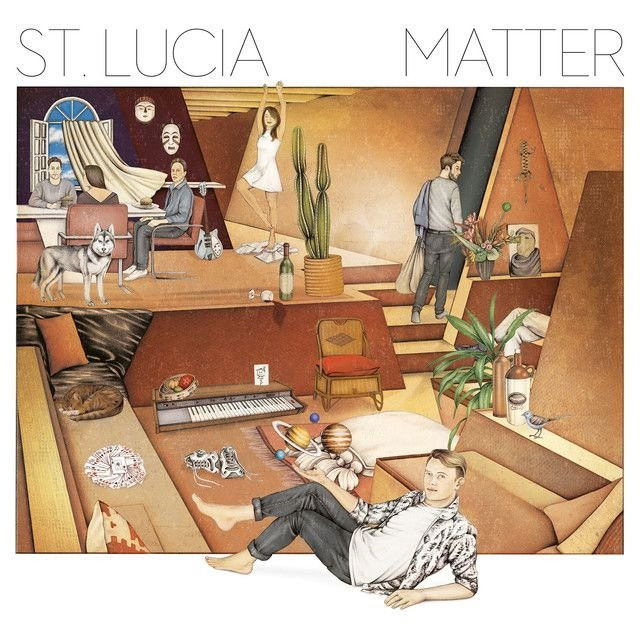
Dancing On Glass by St. Lucia
Why This Song Feels Bright and Dangerous
The meaning of Dancing On Glass St. Lucia comes from a sharp contrast: the music feels sleek, danceable, and alive, while the words warn that pleasure can turn painful. St. Lucia, led by Jean-Philip Grobler, built their sound around glossy synth-pop and emotional tension, especially on Matter. This song fits that style perfectly.
"Dancing On Glass" - St. Lucia
The blood in our veins are just chemicals
Better believe I keep my demons to myself
Loading lyrics...
Unable to load lyrics
We're unable to display the lyrics at this time. Please try again later.
At its core, the track is about people who know they are pushing too far but keep going anyway. It presents nightlife, desire, and human impulse as thrilling but unstable. The title image, Dancing on glass
, says almost everything: movement, beauty, risk, and the sense that one wrong step could cause real harm.

Watch the official Dancing On Glass
music video
The Central Idea Beneath the Hook
The song opens by putting logic against emotion. When the lyric mentions Science and reason
, it frames a cold, modern view of human life. The body becomes chemistry, the self becomes instinct, and that leaves a troubling question: if people are just driven by urges, how much control do they really have?
From there, the song turns inward. The speaker admits to hiding darker feelings, suggesting private struggles beneath a polished surface. When they say keep my demons to myself
, the point is not just secrecy. It is also shame, self-management, and the pressure to appear fine while something more volatile builds underneath.
Interpretation: The song suggests that adult life often means knowing better but not always doing better. That is why the track feels more mature than a simple party anthem. It is not celebrating chaos without thought. It is showing people caught between self-awareness and compulsion.
How the Chorus Turns Dancing Into a Warning
The chorus is where the meaning becomes clearest. The repeated phrase dancing is dangerous
transforms dancing from a symbol of freedom into a symbol of risk. This is not only about literal movement. It points to emotional games, reckless romance, nightlife excess, and the thrill of testing limits.
The line about finding the devil inside of us
pushes that idea further. The song does not blame danger on outside forces alone. It says the threat is internal. Temptation lives in human nature, not just in clubs, relationships, or city life.
How long 'til we learn
Dancing is dangerous
How long 'til we find
The devil inside of us
This short section works like a confession and a warning at once. They ask how long it will take to learn, but the repetition also hints that the lesson never fully sticks. People keep returning to what hurts them because the rush is part of the appeal.
Secrets, Silence, and Adult Self-Destruction
In the second verse, the song widens its focus from private struggle to shared human behavior. It says people all carry secrets, and it hints that what looks like calm can actually hide aggression or unrest. That contrast between appearance and reality is one of the song's strongest themes.
The striking phrase about violence being mistaken for silence suggests emotional suppression. People may look controlled, but beneath that quiet there is anger, pressure, or desire waiting to break through. In that sense, the song is about repression as much as indulgence.
Interpretation: A useful way to hear the track is as a portrait of people in their late youth or early adulthood who are no longer innocent. The lyric We're not that young
matters because it introduces responsibility. They cannot claim ignorance. They understand the cost and still move toward the edge.
How the Sound Supports the Meaning
One reason the song lands so well is that the production never sounds heavy-handed. St. Lucia are known for combining polished pop hooks with rich synth textures, a style heard across their Columbia Records bio. Here, the bright keyboards, punchy drums, and layered vocals create lift even as the lyrics describe inner darkness.
That contrast is important. If the arrangement sounded bleak, the message would be obvious. Instead, the band makes danger feel seductive. The beat invites movement while the words question why people crave that movement in the first place.
The repeated chorus also works like a trance. It mimics the cycle the song describes: temptation, awareness, repetition, collapse, then starting again. The performance is controlled, but the repetition gives it a compulsive feel, as if the track itself cannot stop.
Two Strong Readings of the Song
Reading One: A Song About Risky Pleasure
The most direct reading is that the song is about partying, desire, and the way adults knowingly chase unstable highs. In this view, glass symbolizes fragile excitement. It sparkles, but it cuts.
Reading Two: A Song About Human Nature
A second reading is broader. The track may be less about one night out and more about the human habit of moving toward what damages them. The references to reason, chemicals, demons, and the devil all point toward a struggle between intellect and instinct.
Both readings work because the song stays just abstract enough to hold them together.
Final Take on the Meaning of Dancing On Glass St. Lucia
The meaning of Dancing On Glass St. Lucia lies in that tension between attraction and harm. It is about knowing a behavior, relationship, or emotional pattern is risky and stepping into it anyway. The song turns the dance floor into a metaphor for adult temptation: glamorous on the surface, dangerous underneath.
That is why the track still connects. It understands that people do not always break rules because they are clueless. Sometimes they do it because they know exactly how sharp the glass is.
Disclaimer: This interpretation is based on the song's lyrics, sound, and available artist context. As with most pop songs, listeners may hear different meanings in it.








