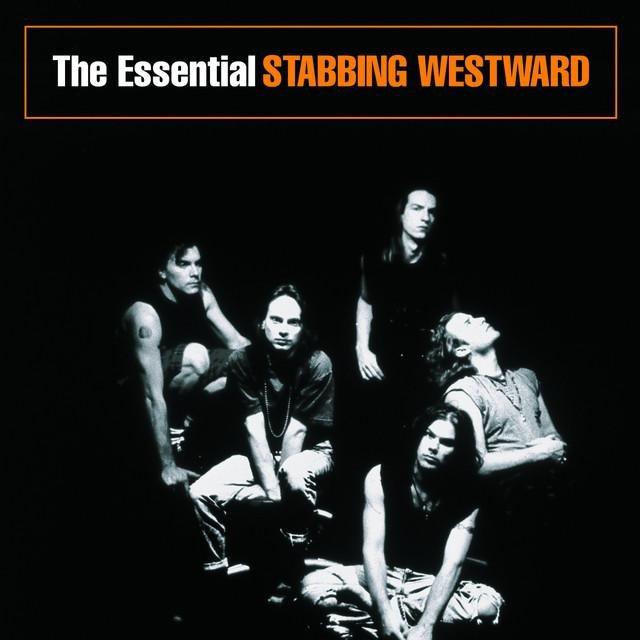
Shame by Stabbing Westward
A breakup song that feels like losing the self
The meaning of Shame Stabbing Westward starts with emotional dependence. The song is not just about missing someone after a breakup. It is about a speaker who has tied their identity so tightly to another person that separation feels like erasure.
"Shame" - Stabbing Westward
Reflected in your eyes
So all that I believe I am
Loading lyrics...
Unable to load lyrics
We're unable to display the lyrics at this time. Please try again later.
That is why the opening hits so hard. When they describe seeing themselves reflected in your eyes
, the idea is bigger than romance. They are saying their sense of worth came from how the other person saw them. Once that bond is gone, they no longer trust their own image.
Factually, “Shame” appeared on Stabbing Westward’s 1996 album Wither Blister Burn & Peel. The band arrived in the peak years of industrial rock, and this song captures that era’s mix of mechanical force and private pain.

Watch the official Shame
music video
Where the pain came from
Artist context makes the lyrics sharper
Context matters here. According to a brief Songfacts interview, singer Christopher Hall said the song came from his divorce and the question, in essence, of how to keep living after losing someone. That does not make every line literal, but it gives the song a clear emotional base.
This background helps explain why the lyric feels less like ordinary heartbreak and more like collapse. The speaker is not only sad; they are disoriented. They feel abandoned, but also unsure whether a stable self existed before the relationship at all.
The chorus turns heartbreak into identity crisis
The chorus is the song’s core argument. Phrases like I am real without you
and What is left of me
show that the loss has become existential. They are not simply asking whether love can survive. They are asking whether the self can survive.
Interpretation: this is why the title “Shame” matters. The shame may come from needing another person too much, from feeling weak after the breakup, or from recognizing that their self-image was built on borrowed approval. The song never explains the title directly, but all three readings fit the words.
The repetition also matters. Each return to the chorus sounds less like a poetic line and more like a panic loop. The speaker keeps circling the same question because they cannot think past it.
Verse by verse, the song keeps narrowing the room
The first verse establishes the problem: identity built through someone else’s belief. The second verse shows the effect. The speaker is wandering around confused
, and their pain grows when it is ignored or denied.
That detail is important. This is not only a song about being left. It is also about feeling unseen. The speaker wants someone to witness the hurt, to confirm that they still exist as a feeling person.
Later, the mirror image brings the theme into physical space. Instead of recognizing themselves, they stare back at a life that feels drained of meaning.
So tired of this lifeIf only you would speak to meOr cared if I'm alive
Those lines push the song to its darkest edge. They express despair, but the point is not spectacle. The point is emotional abandonment so intense that silence itself becomes destructive.
The key symbols are simple but effective
“Shame” uses a few recurring motifs rather than dense poetry. That simplicity is part of why the song lands.
- Eyes suggest identity through another person’s gaze.
- The mirror suggests self-examination that brings no comfort.
- Silence suggests rejection and emotional neglect.
- Pain becomes proof of existence when love is gone.
Interpretation: the mirror and the eyes work as opposites. In another person’s eyes, the speaker once found a version of themselves. In the mirror, alone, they find almost nothing solid.
Why the sound matters as much as the words
Stabbing Westward were known for mixing alt-rock hooks with industrial textures, and “Shame” is a strong example. The guitars are heavy, but the keyboards and programmed feel add a cold, metallic surface. That production choice mirrors the lyric perfectly: raw emotion trapped inside something hard and mechanical.
The vocal delivery is just as important. Hall does not sing like someone calmly reflecting on the past. He sounds strained, urgent, and worn down. That keeps the song from becoming abstract. Even when the lyrics speak in broad terms, the performance feels immediate and human.
The song’s dynamics help too. The verses feel tense and inward, then the chorus opens into a larger wave of sound. That structure matches the emotional pattern of rumination followed by breakdown. In other words, the arrangement does not decorate the lyric; it enacts it.
More than one valid reading
There is a clear breakup reading, and it is supported by Hall’s comments. But the meaning of Shame Stabbing Westward can also be read more broadly.
Interpretation 1: It is about codependency. The speaker has relied on another person to define value, reality, and emotional survival.
Interpretation 2: It is about depression after loss. The repeated uncertainty about what is real suggests numbness, dissociation, and the frightening blur that can follow major grief.
Interpretation 3: It is about self-loathing. The title hints that the deepest wound may be internal: the humiliation of realizing how fragile the self has become.
These readings do not cancel each other out. The song works because it lets all of them exist at once.
Why it still connects
Many breakup songs say, in simple terms, “they miss them.” “Shame” goes further. It captures the moment when missing someone turns into not recognizing oneself. That makes it especially powerful for listeners who have felt trapped in unhealthy attachment or lost after a relationship ended.
It also helps that the song belongs to a specific 1990s industrial-rock world while staying emotionally direct. They do not need deep knowledge of the genre to understand it. The fear inside the song is plain: if another person stops seeing them, who are they now?
That question is what gives the track its staying power.
Final takeaway
At its heart, “Shame” is about love turning into dependence, and dependence turning into a crisis of identity. Its lyrics, performance, and industrial-rock production all point to the same feeling: being left behind by someone who once made the self feel real.
This article offers an interpretation based on the lyrics, available artist comments, and musical context. Like any song, “Shame” can mean something slightly different to each listener.







