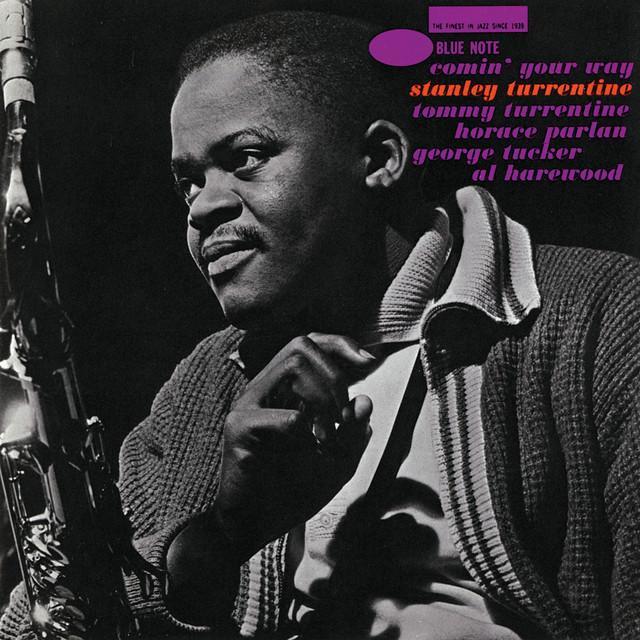
Why "Then I'll Be Tired Of You" Still Glows
The meaning of Then I'll Be Tired Of You Stanley Turrentine starts with a simple idea: the speaker is promising a love so lasting that it would end only if nature itself stopped working. That sounds grand, even old-fashioned, but the song stays moving because it is built on doubt as well as devotion.
"Then I'll Be Tired Of You" - Stanley Turrentine
Darling your eyes are asking, "Will the flame burn out?"
Well, no one is sure of sun shine, no one is sure of dawn,
Loading lyrics...
Unable to load lyrics
We're unable to display the lyrics at this time. Please try again later.
At the start, the loved one seems unsure. The singer notices questioning eyes and answers that fear with calm certainty. Instead of saying love is easy, the lyric admits that nothing in life is fully guaranteed. Daylight changes. Feelings can be tested. Yet the heart of the song insists that this bond will outlast those worries.
Stanley Turrentine did not write the standard; it was composed by Arthur Schwartz and E. Y. Harburg, two major songwriters from the American popular songbook. Turrentine, known for his rich tenor sax tone, brought it into his own world through jazz performance, and his career is well documented by the Blue Note Records artist archive.
A Love Song Built on Reassurance
The song’s emotional engine is reassurance. The speaker sees doubt and responds with loyalty. When the lyric suggests that love would fade only when stars stop shining or winds stop blowing, it uses impossible conditions to make a human point: this affection is meant to feel permanent.
A short phrase like flame burn out
captures the fear at the center of the song. The question is not whether love exists now, but whether it can last. The answer comes through a chain of cosmic images that turn a private romance into something almost universal.
When stars are tired of gleaming
When winds are tired of blowing
Those lines are not just romantic decoration. They compare love to forces that seem endless. The result is a vow that sounds both tender and dramatic.
Watch the official Then I'll Be Tired Of You
music video
Who Is Speaking, and Why It Matters
This is a first-person declaration to a doubtful partner, even though this article discusses it in third person. The speaker is direct, intimate, and completely focused on easing another person’s fear. That matters because the lyric is not bragging about passion. It is trying to comfort.
The repeated title phrase, tired of you
, is a clever twist. On paper, it sounds cold. In context, it means the exact opposite. The singer keeps pushing the moment of emotional exhaustion so far away that it becomes impossible.
Interpretation: This twist gives the song its staying power. Instead of saying “I love you forever” in plain terms, it expresses forever through negation. They will stop loving only when the world itself stops.
How the Images Stretch Time
The lyric keeps widening its scale. It begins with two people looking at each other, then moves outward to stars, wind, grass, birds, day and night. That expansion is important. It suggests that personal love is part of a larger order.
One especially strong image is beyond the years
. That phrase shifts the song from present feeling to long memory. Love is no longer just an emotion of today; it becomes an echo that carries through time.
Another striking turn is the idea that the heart would have to stop before devotion ends. That is dramatic, of course, but it also reveals the song’s sincerity. The promise is total. The speaker is not offering convenience or mood-based romance. They are offering identity-level commitment.
Why Stanley Turrentine Fits This Song So Well
Turrentine’s gift was warmth. His tenor saxophone often sounded conversational, full-bodied, and gently bluesy, which made him a natural interpreter of romantic standards. On ballads, he could make a melody feel less like a formal composition and more like a private confession.
That matters for this song because the lyric could seem overly ornate in the wrong hands. Turrentine’s style grounds it. Instead of pushing the words into theatrical excess, his approach typically lets the melody breathe. His tone suggests steadiness, which matches the song’s promise of constancy.
From a production and arrangement standpoint, jazz versions of this standard usually rely on slow tempo, soft rhythm support, and room for melodic phrasing. Those choices turn the vow into a feeling the listener can sit inside. The song is less about climax than about patience.
For broader career context, Turrentine’s long discography and status in modern jazz are outlined by the Encyclopaedia Britannica. That background helps explain why his interpretation carries authority: he was a master at making emotional directness sound effortless.
The Jazz Standard Context Changes the Meaning
Because this is a standard, listeners may hear more than one layer at once. There is the original lyric meaning, but there is also the meaning created by performance. In jazz, a love song is never just words on a page. Tone, pacing, breath, and phrasing become part of the message.
Interpretation: In Turrentine’s hands, the song can feel less like a dramatic oath and more like mature devotion. The promise is still large, but the feeling is human. They do not sound naive. They sound settled.
That distinction is important. A younger reading might hear the song as pure romantic idealism. A jazz reading, especially through Turrentine, can make it sound like love tested by time.
Final Take on the Song’s Heart
So, what is the meaning of Then I'll Be Tired Of You Stanley Turrentine? At its core, it is a song about answering fear with steadfast love. Its imagery says that devotion will end only when the natural world stops being itself.
What makes it endure is the balance between poetic exaggeration and emotional honesty. The words reach for eternity, while Turrentine’s style brings them back to earth. Together, they create a love song that feels both grand and deeply comforting.
Disclaimer: This interpretation is based on the lyric, songwriting context, and Stanley Turrentine’s performance style. As with many standards, listeners may hear different shades of meaning.








