Why Starset's "Point of No Return" Burns So Bright
The core idea behind the blaze
The meaning of Point of No Return Starset centers on a painful but necessary break from the past. The song follows a speaker who still remembers what life used to be, but they know returning is no longer possible. Instead of putting out the fire, they choose to feed it.
"Point of No Return" - Starset
That I can see through the flames
I am hypnotized as I fantasize
Loading lyrics...
Unable to load lyrics
We're unable to display the lyrics at this time. Please try again later.
That is what makes the song powerful. It is not just about loss. It is about choosing irreversible change, even when that choice hurts. The track frames transformation as both destructive and freeing. Old ties, old habits, and old illusions have to burn so something new can begin.
Watch the official Point of No Return
music video
Starset's bigger world matters here
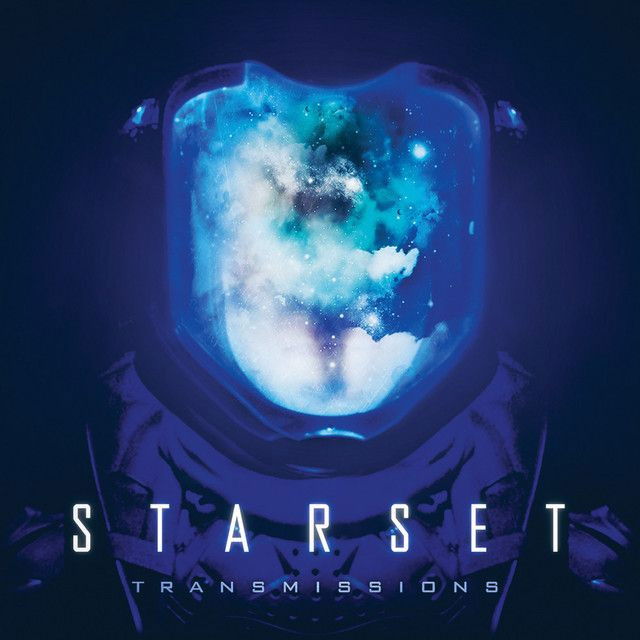
Starset is known for blending hard rock with cinematic, science-minded storytelling. The band presents much of its work through a futuristic concept, and their debut album Transmissions was released in 2014. On that record, songs often pair human emotion with extreme imagery, whether cosmic or apocalyptic. Even fan-documented notes around Transmissions show how Dustin Bates linked songs on the album to big-screen, sci-fi feeling, including a comment that "The Future Is Now" was shaped to sound like a spacecraft approaching a black hole on Starset Wiki's summary of a New Noise Magazine interview.
That context helps with this song. Even though "Point of No Return" is emotionally direct, it still fits Starset's habit of making inner conflict feel huge. A breakup, addiction, trauma, or identity shift can sound like the end of a world.
A narrator standing in the wreckage
At the start, the speaker looks back on a former version of life. They can still picture it, but the image is distorted by fire. When they mention memory, fantasy, and pain, the song suggests that nostalgia is unreliable. The past may feel beautiful, but it was also filled with lies and hurt.
The key emotional turn is simple: they admit they cannot go back. That line changes the whole song. What begins as reflection becomes a declaration.
Memory versus motion
The phrase ashes call my name
shows that the past still has a pull. The remains of what was lost still speak to them. But the chorus answers that pull with action, not surrender.
Rather than waiting for change, the speaker pushes it forward. In the repeated image pouring the fuel
, they are not a victim of the fire. They are helping it spread. That makes the song less about fate and more about commitment.
What the chorus really means
The chorus is built around burning images: fuel, flames, heat, chains, bridges. All of them point to one idea: change becomes real only when escape routes are gone.
Breaking the habit
melting the chains
bridges are burning
This short run of images connects personal freedom with destruction. Habits and chains suggest something binding the speaker in place. Burning bridges suggests a final cut. The song argues that some transitions only work when they are total.
Interpretation: this could describe leaving a toxic relationship, but it also works as a song about ending self-destructive behavior. The wording is broad enough to support both readings.
Fire is not just danger in this song
Usually, fire means chaos. Here, it also means clarity. The line about the glow lighting the night turns flames into guidance. That is a smart twist. The same force that destroys the past also illuminates the next step.
This is why the title matters so much. A point of no return is often scary because it removes control. In this song, though, the speaker finds a kind of power inside that moment. They are frightened, but they are no longer undecided.
The most important symbol
The strongest symbol is the burned bridge. When the song says the past becomes unreachable, it is not only describing distance. It is describing a mental shift. After someone sees a relationship, belief, or old self clearly enough, they may not be able to unknow it.
That is the real no-return point: not geography, but awareness.
How the sound carries the meaning
Musically, the song supports this reading well. Starset's rock style often mixes heavy guitars, programmed textures, and a glossy, cinematic build. In a song like this, that matters because the production mirrors escalation. The verses feel tense and inward, while the chorus opens wide and hits with force.
The likely effect for listeners is a rush that matches the lyric's decision. When the hook surges, it feels like hesitation is being burned away. The drums and guitars give the song physical momentum, while the polished electronic layer adds the futuristic drama Starset is known for.
Dustin Bates' vocal style also helps. He often sings emotional lines with a controlled intensity rather than total collapse. That approach fits this lyric. The speaker is hurting, but they are also resolved.
Two strong ways to read it
There is no single confirmed story attached to every line, so the best reading stays open.
- Relationship reading: The song is about ending a bond that still has emotional pull. The memories remain vivid, but the speaker knows staying attached would mean repeating pain.
- Recovery reading: The song is about breaking a destructive cycle. Phrases like
breaking the habit
andI won't turn around
make this interpretation especially convincing.
Both readings share the same center: healing can require violence toward the old self, not physical violence, but emotional severing.
Why the song still connects
Part of the reason fans return to this track is that it captures a common moment in life. Many people know what it feels like to stand between what is familiar and what is necessary. "Point of No Return" gives that moment a dramatic shape.
The meaning of Point of No Return Starset is ultimately about choosing change before they feel fully ready. It understands that letting go can feel ugly, tempting, and liberating at the same time. By turning that struggle into fire and motion, Starset makes an inner decision sound epic.
Final takeaway from the flames
Starset's song is not asking whether the past still hurts. It assumes that it does. The real question is what they will do with that pain.
Their answer is clear: they will use it as fuel. That is what makes the song feel both dark and strangely hopeful.
Disclaimer: This article offers an informed interpretation of the song based on the lyrics, artist context, and musical style. Meanings can vary by listener.