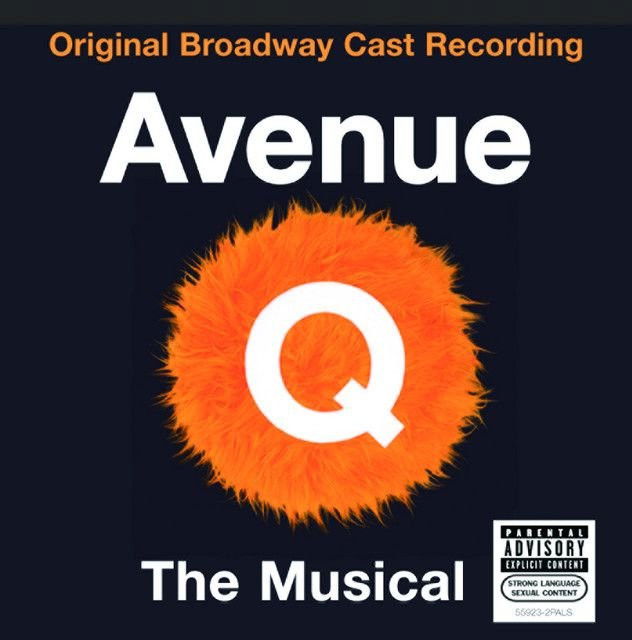
Why 'Fine, Fine Line' Hurts So Much
The meaning of There's a Fine, Fine Line Stephanie D'Abruzzo comes down to one painful realization: sometimes love feels real, deep, and hopeful, yet still turns into something that drains a person instead of sustaining them. Sung by Kate Monster in Avenue Q, the song captures the moment when they stop confusing possibility with reality and choose self-protection over wishful thinking.
"There's a Fine, Fine Line" - Stephanie D'Abruzzo
There's a fine, fine line
Between a lover, and a friend.
Loading lyrics...
Unable to load lyrics
We're unable to display the lyrics at this time. Please try again later.
Stephanie D'Abruzzo introduced the number as part of the original Broadway cast of Avenue Q, with music and lyrics by Jeff Marx and Robert Lopez. The show opened on Broadway in 2003 and became known for pairing puppet comedy with adult emotional honesty. That contrast helps explain why this song lands so hard: it sounds simple, but its insight is severe.
Where the Song Cuts Deepest
At its core, the song is about boundaries. The speaker keeps naming tiny gaps between two things that seem close but are emotionally worlds apart: romance and friendship, fantasy and truth, praise and rejection. By repeating the title idea, the song shows how heartbreak often comes from misreading those small distances.
The key phrase fine, fine line
is not just clever writing. It suggests that people often do not notice the difference until they are already hurt. The song says that emotional clarity usually comes late, after hope has done its damage.
Interpretation: This is why the number feels more mature than many breakup songs. It is not asking why love failed. It is asking how long someone should keep investing in love when the other person cannot meet them there.

Watch the official There's a Fine, Fine Line
music video
Kate Monster's Turning Point
Inside Avenue Q, the song belongs to Kate Monster, whose feelings for Princeton leave them stuck between devotion and disappointment. Even without detailed plot knowledge, listeners can hear the situation clearly: one person has been waiting for mutual commitment, and that commitment never fully arrives.
A brief lyric contrast like lover, and a friend
reveals the problem. The relationship has emotional closeness, but not enough certainty. Another sharp pair, reality, and pretend
, pushes the idea further. The singer is no longer only grieving a person; they are grieving the fantasy they built around that person.
That is why the song's central decision matters so much. They finally say they do not have time to keep spending themselves on someone who does not know what they want. This is heartbreak, but it is also a recovery of self-respect.
How the Chorus Reframes the Pain
The chorus delivers the song's thesis in plain language: there is a narrow gap between love and a waste of time
. That line stings because it refuses sentimental comfort. It does not claim all love is noble just because it is sincere.
Instead, the song suggests that love becomes damaging when it stays one-sided for too long. The feeling itself may be real, but the situation is no longer healthy. That is a hard distinction, and the song makes it without cruelty.
There's a fine, fine line
Between together,
And not.
That short passage shows the song's method. It takes ordinary words and makes them devastating. Together
is not treated as a vague mood. It is either true, or it is not. The song rejects emotional half-light.
The Images Are Simple—That Is the Point
One reason the number connects so widely is its plain vocabulary. It uses familiar ideas like fairy tales, lies, climbing, doors, and time. None of these images are flashy, but together they map a complete emotional journey.
A phrase like uphill climb
turns love into effort. The singer admits that people often only learn at the top whether the struggle meant anything. That image is especially effective because it captures delayed understanding: they kept moving forward before they knew if the goal was real.
The mention of closing the door is equally important. It gives the song a physical action to match its emotional choice. Instead of ending in confusion, the song ends in a boundary.
Why the Music Softens the Blow
Musically, the song works because it does not explode. In Avenue Q, it is staged as an intimate ballad, allowing the melody and vocal delivery to carry the ache. The tune is gentle, almost conversational, which makes the lyrics feel more believable than theatrical grandstanding would.
That softness matters. If the arrangement were bigger or angrier, the song might sound accusatory. Instead, it feels exhausted and lucid. D'Abruzzo's performance is remembered for balancing sweetness with resignation, which helps the listener hear both the hurt and the strength.
Interpretation: The restrained sound suggests that the speaker has already moved past pure anger. They are sad, but they are also clear-eyed. That emotional control is part of what makes the song feel adult.
A Broader Meaning Beyond the Plot
The meaning of There's a Fine, Fine Line Stephanie D'Abruzzo reaches beyond Avenue Q because the song is really about the moment when hope stops being noble and starts being harmful. Many listeners hear it as a song about unreturned love, but it can also describe any bond where emotional labor is unequal.
It also speaks to timing. The lyric about going after what they want while you're still in your prime
adds urgency. The singer is not only losing a person. They are realizing that waiting has a cost.
Final Thought on Its Lasting Power
What makes this song endure is its honesty. It does not mock love, and it does not romanticize suffering. It simply says that affection alone cannot justify staying in a situation that erodes a person.
That balance is why the song still resonates: it honors the feeling while refusing the fantasy. Interpretation: In the end, its real subject is not just heartbreak, but the courage to tell the difference between longing and reality.
Disclaimer: This interpretation is based on the lyrics, performance context, and the song's role in Avenue Q. As with any work of art, listeners may hear different meanings in it.







