The Bartender And The Thief by Stereophonics
A Riotous Love Story in Under Three Minutes
The meaning of The Bartender And The Thief Stereophonics starts with a simple hook: two shady characters fall for each other and move through the world like partners in crime. But the song is not just telling a neat story. It mixes lust, danger, dark comedy, and myth-like exaggeration into something that feels half bar fight, half fever dream.
"The Bartender And The Thief" - Stereophonics
He's watching every word you say, yeah
Say yeah
Loading lyrics...
Unable to load lyrics
We're unable to display the lyrics at this time. Please try again later.
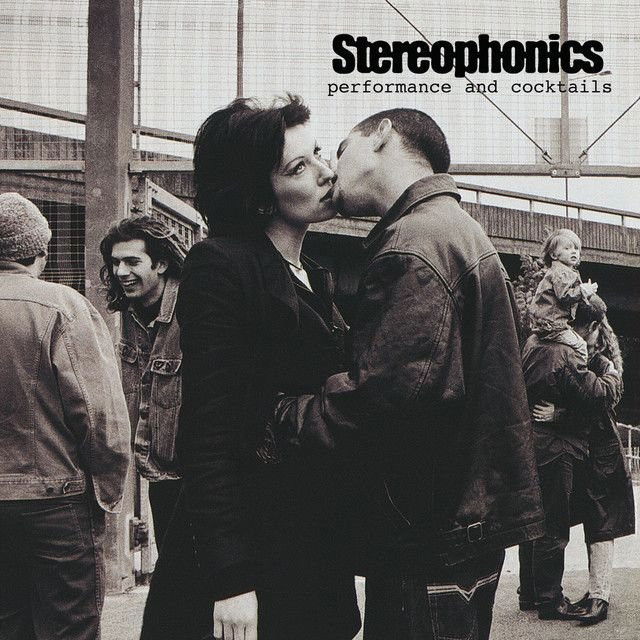
Released in 1998 as the first single from Performance and Cocktails, the track hit No. 3 on the UK Singles Chart and became one of the band’s most recognizable early songs. According to song credits, it was written by Kelly Jones, Richard Jones, and Stuart Cable, and produced by Bird & Bush with Stereophonics. Those facts matter because the track captures the group at the moment they sharpened their scruffy rock sound into something louder, tighter, and more immediate.
What the Song Is Really About
On the surface, the song follows two people: a bartender and a thief. The repeated line are lovers
is the key. They are not opposites. They belong together. The song presents them as a couple built on appetite, not trust or stability.
The lyrics suggest a world where everyone is watching, judging, flirting, or scheming. Early lines describe someone being observed and sized up. That mood of suspicion leads into a rough social scene full of hunger, performance, and manipulation. Then the chorus turns the pair into legends: they steal what they need
, and the song treats that theft almost like a code they live by.
Interpretation: The track seems less interested in real crime than in the thrill of living outside normal rules. The bartender and the thief can stand for any couple whose bond comes from mutual recklessness.
How the Verses Build a Seedy World
The verses move in quick snapshots. They show people watching each other, testing boundaries, and acting from lust. One phrase, long digging
, sounds grimy and physical. Another, love drinking
, turns romance into consumption. Even when the exact scenes are surreal, the emotional logic is clear: this is a world driven by impulse.
There is also a strong feeling of voyeurism. People are seen, judged, and desired in public spaces. The song’s characters seem trapped in that atmosphere, but they also feed on it. That helps explain why the title figures feel larger than life. They are made from the same hunger as the room around them, only more daring.
Why the Chorus Feels So Big
The chorus is memorable because it takes strange details and boils them down to one hard image: outlaw intimacy. The line sisters and brothers
suggests closeness, loyalty, and shared identity. It makes the pair sound almost inseparable, as if they are from the same tribe.
Then the song pushes into blasphemous, gothic territory. Church, graves, and bodies appear next to romance. That contrast gives the song its charge. Love is not shown as pure or healing. It is shown as wild, greedy, and tangled up with decay.
Met in a church
a night to remember
Those lines place a sacred setting next to a relationship that breaks rules. Interpretation: The song may be mocking the idea of clean, respectable romance. These lovers do not meet in innocence. They meet in a place loaded with judgment and turn it into their own stage.
Symbols, Motifs, and Dark Humor
Several motifs shape the song’s meaning:
- Bars and drinking: places of temptation, performance, and escape.
- Theft: taking desire, freedom, or identity by force.
- Churches and altars: symbols of commitment twisted by irony.
- Graves and dismemberment: shock imagery that turns love into a gothic joke.
That last point matters. The song is dark, but it is also playful. Stereophonics are not presenting a careful moral lesson. They are using outrageous imagery to make the romance feel dangerous and cinematic.
The final verse pushes that idea even further. The couple save what they stole, reunite at the altar, then try to begin again. That sounds almost like a fairy tale ending, except their new life still involves crime. They do not reform. They stay themselves.
How the Sound Carries the Meaning
Musically, the song is crucial to understanding its impact. It is one of Stereophonics’ heavier early singles, with distorted guitars, pounding drums, and a fast pace that barely lets the listener breathe. The track runs under three minutes, and that short length adds to its sense of momentum. It hits, surges, and gets out.
Kelly Jones sings with a rough, urgent tone that fits the lyrics’ grit. He does not sound dreamy or tender. He sounds wired. That vocal texture keeps the song from becoming too polished, which is important because the story works best when it feels unstable.
The stop-start energy and gang-like chorus delivery also make it a strong live song. Its hook is easy to shout, but the details underneath are weird enough to keep it from feeling generic. That balance helps explain why it became a fan favorite.
Two Strong Readings of the Song
Interpretation 1: A literal outlaw romance. In this reading, the song is a fast story about two criminals whose love grows through shared survival.
Interpretation 2: A metaphor for appetite. Here, the bartender and thief are symbols of craving itself. One serves desire; the other takes it. Together they represent people who refuse restraint.
Both readings fit because the lyrics stay loose and image-heavy rather than fully narrative.
Final Take on Its Meaning
The meaning of The Bartender And The Thief Stereophonics lies in the collision of romance and lawlessness. It turns attraction into a dirty little legend, where love is exciting because it is unstable, selfish, and impossible to clean up.
That is why the song still lands. It is not subtle, but it knows exactly what it is doing: making chaos sound thrilling.
Disclaimer: This interpretation is based on the released lyrics, recording context, and public song information. As with many rock songs, some meaning remains open to listener interpretation.







