Why 'City of New Orleans' Still Feels American
The meaning of City of New Orleans Steve Goodman starts with a simple image: a train ride. But the song quickly becomes bigger than travel. It turns one route into a portrait of America in motion, filled with workers, families, fading towns, and the quiet sadness of a changing country.
"City of New Orleans" - Steve Goodman
Illinois Central, Monday morning rail
There are fifteen cars and fifteen restless riders
Loading lyrics...
Unable to load lyrics
We're unable to display the lyrics at this time. Please try again later.
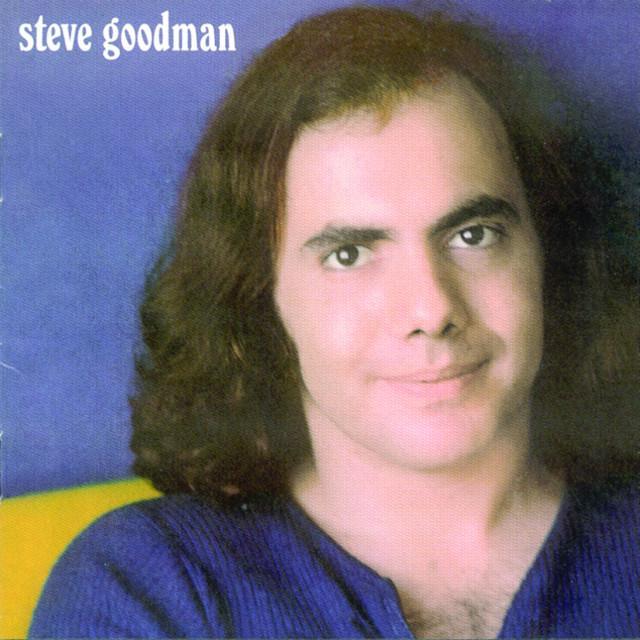
Steve Goodman wrote the song in the early 1970s, and it became his signature composition after later recordings by artists including Arlo Guthrie helped make it widely known. Factually, Goodman was the songwriter, and the song centers on the real Illinois Central train route that connected Chicago and New Orleans. That real-world basis helps explain why the details feel so vivid and grounded.
A Train Song That Becomes a National Portrait
On the surface, the story follows a southbound train over the course of a day and night. The verses notice riders, conductors, club-car games, sleeping children, and towns flashing by. These are not glamorous scenes. They are ordinary, which is exactly the point.
Interpretation: Goodman uses these snapshots to show a broad, democratic America. The song cares about regular people and shared spaces. In that sense, the train works like a moving small town, carrying strangers together for a little while.
One key phrase is native son
. The lyric does not just describe the train as transportation. It gives the train a human role, almost as if it speaks for the country itself. That move lifts the song from travel diary to national reflection.

Watch the official City of New Orleans
music video
The Journey Moves From Warmth to Loss
At first, the song feels open and social. Riders are restless, the route is long, and people pass time in familiar ways. A phrase like Monday morning rail
grounds the trip in routine life, not fantasy. This is working America, weekday America.
Then the scenery grows more haunted. Goodman notices unnamed towns, worn industrial spaces, and what he memorably suggests are the remains of older systems. The image of the graveyards of rusted automobiles
is especially important. It hints at decline and replacement, as if one era of movement is already being buried by another.
By nighttime, the mood shifts further. The passengers keep going, but the world outside seems dreamlike and distant. The song starts as companionship and ends closer to elegy.
What the Chorus Says About America
The chorus is warm, catchy, and easy to remember, which is why its sadness can sneak up on listeners. The greeting Good morning America
sounds friendly and proud. It feels like a broad hello from the rails to the nation.
But that greeting also carries irony. The train asks America if it remembers what it is. When the song says the train is a native son
, it suggests rail travel is deeply American, yet no longer fully valued.
Interpretation: The chorus works because it holds two truths at once:
- the country still has beauty and connection
- the old rail culture is slipping away
- memory can sound cheerful even when it is grieving
That tension gives the song its emotional power.
The People on Board Matter as Much as the Route
Goodman fills the train with distinct groups: card players, porters' families, engineers' children, and mothers with sleeping babies. These details matter because they keep the song from becoming abstract. America is not described through slogans. It is described through people sharing space.
The line about the sons of Pullman porters and engineers is especially rich. It points to inheritance, class, labor, and tradition. Railroads are not just machines; they are family histories. Generations have built lives around them.
Interpretation: This part of the song suggests that when passenger rail declines, the country does not only lose a transit option. It loses rituals, jobs, stories, and a sense of continuity between parents and children.
How the Sound Carries the Meaning
Musically, the song fits the singer-songwriter tradition: clear melody, steady rhythm, and an unhurried delivery. That simplicity matters. The arrangement does not overpower the story. Instead, it mirrors the rolling motion of the train itself.
The beat feels even and repetitive, like wheels on track. The melody is gentle enough to sound communal, almost like something meant to be sung by fellow travelers. That makes the nostalgia feel earned rather than forced.
Interpretation: The softness of the performance deepens the meaning of City of New Orleans Steve Goodman because the song never shouts its message. Its grief arrives quietly, carried by motion and memory.
Why the Ending Hits Hard
The closing idea, often remembered through the phrase disappearing railroad blues
, gives the whole song its final shape. Until then, listeners may hear a charming travel song. In the end, Goodman makes clear that the train represents something fading from American life.
That does not erase the song's warmth. It sharpens it. The affection in the earlier verses becomes evidence of what is worth mourning.
The Lasting Meaning of City of New Orleans Steve Goodman
The lasting meaning of City of New Orleans Steve Goodman is that progress can leave emotional wreckage behind. The song honors movement, but it also asks what gets lost when older forms of connection disappear.
That is why the track still resonates in the United States. It speaks to travel, work, memory, regional identity, and the feeling that a nation can move forward while also losing part of itself.
Disclaimer: This interpretation is based on the song's lyrics, musical style, and historical context. As with any art, listeners may hear different meanings in the same song.








