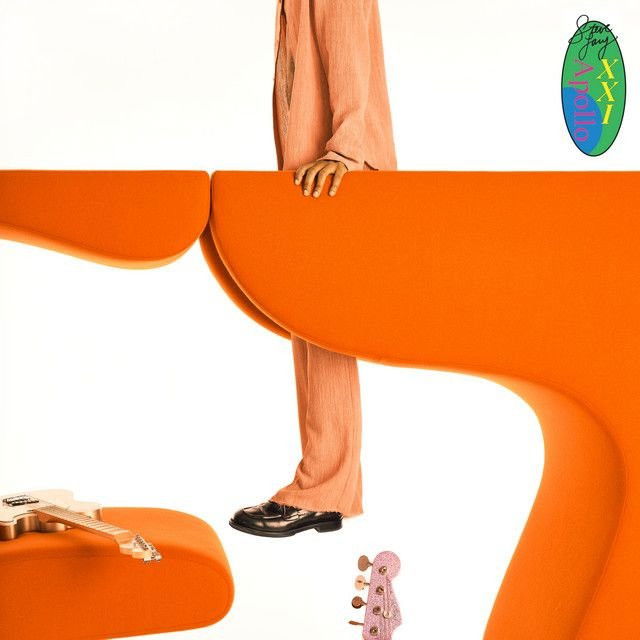
Hate CD by Steve Lacy
The meaning of Hate CD Steve Lacy centers on emotional dependence. The song turns a crush, romance, or physical bond into the language of substance addiction. That choice gives the track its tension: it sounds soft and intimate, but the words describe a person who feels trapped by desire.
"Hate CD" - Steve Lacy
I'm in this situation
I scratch, but it's still itchin'
Loading lyrics...
Unable to load lyrics
We're unable to display the lyrics at this time. Please try again later.
Steve Lacy often writes in a style that is loose, direct, and emotionally sharp. Across songs from his early solo era and later projects like Apollo XXI, they often blend funk, R&B, and bedroom-pop textures with confessional writing. In “Hate CD,” that mix matters. The song is not just about wanting someone. It is about needing them so badly that pleasure starts to feel like a loss of control.
A Love Song That Sounds Like a Warning
At its most basic level, the song describes someone who knows a relationship is affecting them in an unhealthy way, yet they still cannot pull away. Early on, the narrator admits, I need an intervention
. That phrase usually belongs to addiction stories, not love songs. By using it here, Steve Lacy frames desire as something serious, maybe even dangerous.
That same pattern continues when the narrator says they are in a bad spot but cannot stop chasing comfort. The image of scratching an itch suggests temporary relief that never fixes the real problem. In plain terms, the song says this person keeps going back for more attention, touch, and emotional validation, even though it leaves them worse off.
Interpretation: The relationship may not be abusive or cruel in any literal sense. Instead, the song may describe a private imbalance: one person has become the other person’s emotional drug.

Watch the official Hate CD
music video
How the Verses Build Obsession
The verses are short, but they move clearly through a cycle:
- They recognize a problem.
- They admit they want affection.
- They compare that feeling to a drug.
- They confess they do not know how to stop.
When the narrator longs for his affection
, the song becomes even more specific. This is not a vague fantasy. It is attached to a real person, and that person’s attention seems to decide the narrator’s emotional state.
The next key phrase, You're my addiction
, pushes the metaphor from suggestion into full confession. They are not merely tempted. They have already surrendered language, judgment, and self-control to the feeling.
That is why the line about not finding the right words matters. The narrator can identify the problem, but they cannot fully explain it. Desire has become stronger than clear thinking.
Why the Chorus Hurts So Much
The chorus is where the meaning of Hate CD Steve Lacy becomes most obvious. The song connects touch, intoxication, and withdrawal in one motion. When the narrator says the other person’s touch is a trip and then repeats I hate coming down
, they describe the aftereffect of pleasure rather than the pleasure itself.
That is an important distinction. Many love songs celebrate the high. This one focuses on the crash.
Your touch is a trip
I hate coming down
Those two short ideas carry the whole song. Being close to this person feels thrilling, unreal, and briefly satisfying. But the moment fades, and what follows is emptiness, anxiety, or craving. The repetition makes that emotional drop feel unavoidable.
Interpretation: The chorus can be heard as a song about post-intimacy loneliness. It may also describe the emotional whiplash of an inconsistent relationship, where affection arrives in bursts and disappears just as fast.
The Hidden Theme: Shame and Self-Knowledge
One of the strongest parts of the song is that the narrator is not clueless. They know they need help. Later, they admit they need self-discipline
. That phrase adds a moral edge to the track. They are not just sad; they are disappointed in themselves.
This matters because the song does not blame the other person alone. Instead, it captures what it feels like to watch themself repeat a pattern they already understand. They know the cycle. They know the craving is shaping their choices. They still cannot break it.
That conflict gives the song emotional credibility. It sounds like a real inner argument, not a dramatic fantasy.
Why the Minimal Sound Fits the Story
Steve Lacy’s music often thrives on stripped-down arrangements, flexible vocals, and a handmade feel connected to his early solo recordings. “Hate CD” fits that approach. Even without heavy production, the song feels intimate and close, almost like a private confession spoken before the speaker can talk themself out of it.
The likely effect of the sparse instrumental is simple: it leaves space for repetition and emotional fixation. A busy arrangement might have softened the message. Instead, the lean sound keeps the listener locked inside the narrator’s loop.
The melody also matters. The hook is catchy, but not triumphant. It circles the same feeling again and again, which mirrors obsessive thought. The song does not sound explosive. It sounds stuck.
Alternate Ways to Read “Hate CD”
There are at least two solid readings of the song:
A romance gone chemically intense
This is the clearest reading. The narrator is overwhelmed by a lover’s affection and physical presence, then wrecked when that feeling disappears.
A broader portrait of dependency
Interpretation: The song may also work as a wider metaphor for compulsive behavior. The unnamed “drug” could stand for any habit that gives relief, then leaves the person emptier than before.
Both readings fit because the lyrics stay simple and open. They give enough detail to feel personal, but not so much that the meaning closes down.
Why the Song Still Lands
What makes “Hate CD” memorable is its honesty. It understands that desire is not always romantic in a healthy, glowing way. Sometimes it feels embarrassing, repetitive, and physically hard to resist.
That is the heart of the meaning of Hate CD Steve Lacy: pleasure and pain are tangled together, and the narrator knows it. They want the high, fear the crash, and keep returning anyway. In a very short song, Steve Lacy captures the strange sadness of needing what hurts.
Disclaimer: This interpretation is based on the song’s lyrics, performance, and available artist context. As with any song, listeners may hear different meanings in it.








