Why Steve Lacy Splits Ego and Longing Here
The meaning of Outro Freestyle/4ever Steve Lacy becomes clearer once they hear it as a two-part ending. The track begins like a victory lap, full of flexes, jokes, and competitive energy. Then it suddenly opens into something softer and more exposed. That contrast is the point.
"Outro Freestyle/4ever" - Steve Lacy
Pullin' so much work, I check in like a 9 to 5
They been talkin' shit about like how I do it live
Loading lyrics...
Unable to load lyrics
We're unable to display the lyrics at this time. Please try again later.
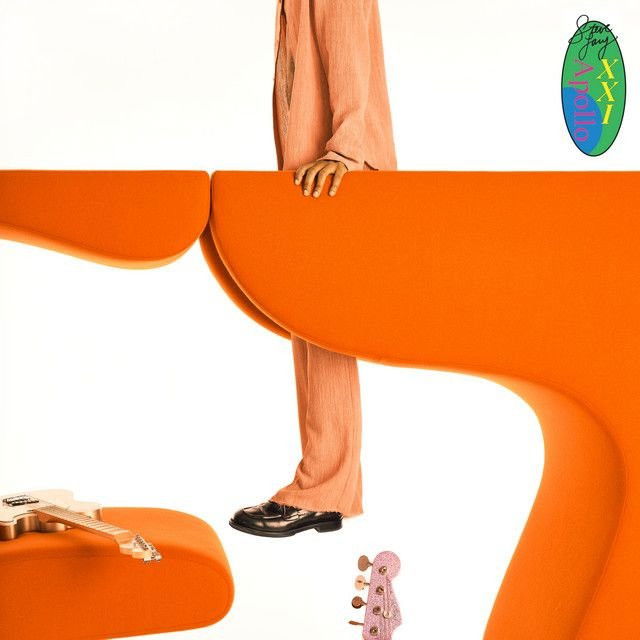
On Steve Lacy’s 2019 album Apollo XXI, this closing track works like a final self-portrait. One side is the young artist proving he belongs. The other is the person underneath that image, reaching for peace, connection, and maybe even rescue. Together, the halves suggest that confidence and vulnerability are not opposites. They can live in the same song.
Two Endings, One Identity
The title itself tells listeners what to expect. “Outro Freestyle” sounds loose, cocky, and off-the-cuff. “4ever” sounds romantic, dreamy, and suspended in time. Steve Lacy puts those moods back to back instead of choosing one.
That design matters because Apollo XXI often moves between swagger, desire, confusion, and self-definition. The album came out in 2019, with Lacy credited as a writer and producer on the project’s material, and the record established him as more than a member of The Internet. In that context, the closer feels intentional: it sums up the public persona and the private wish.

Watch the official Outro Freestyle/4ever
music video
The First Half: Boasts as Self-Defense
In the opening section, the speaker sounds amused, combative, and fully aware of attention. He claims star power with the phrase only star
, then compares his grind to regular work, turning ambition into daily labor. The message is simple: success is not luck, and criticism only proves people are watching.
When he says others hate but binge watch
, he frames envy as a form of obsession. That line is funny, but it also reveals a theme that runs through a lot of modern fame: people may mock an artist while still consuming everything they do. In that sense, the freestyle is not just bragging. It is a reaction to scrutiny.
Why the jokes matter
The section is packed with punch lines, references, and exaggerated confidence. He name-drops status symbols and public figures, then throws in absurd turns of phrase. Interpretation: this can sound like pure clowning, but it also works as armor. If he stays one step ahead of his critics, they cannot define him first.
That tone fits Steve Lacy’s style. He often mixes cool control with playful unpredictability. Here, the performance feels half-rap, half-smirk. Even the rough edges help. It sounds immediate, like a thought turning into a dare.
The “Apollo” shout is bigger than a flex
Midway through, Lacy calls out the album title and acts like the race is already over. On the surface, that is standard triumph talk. But inside the album, it lands more like a mission statement.
Apollo suggests light, artistry, and ascension. So when he declares the era with Apollo XXI
, he is not only promoting the record. He is announcing arrival. Interpretation: they can hear this as a young artist naming his own myth while still sounding self-aware enough to laugh at it.
Then the song melts into prayer
After all that aggression, the second half changes everything. The repeated plea take the wheel forever
sounds less like a boast than a surrender. Instead of proving himself, the speaker asks to be guided. Instead of fighting rivals, he wants ease.
With you, I feel no effort
Show me the way
This is the emotional center of the song. The words are simple, but the feeling is huge. The person in the freestyle wanted control. The person in “4ever” wants release from control.
What “forever” may mean
The repeated forever
can be heard in a few ways:
- a romantic wish to stay inside a perfect connection
- a spiritual wish to escape pressure and rest somewhere safe
- a fantasy of permanence in a life that moves too fast
All three readings fit the song. What matters most is the shift from performance to dependence. He no longer sounds like he is speaking to enemies. He sounds like he is reaching toward someone, or something, that quiets him.
How the sound carries the meaning
Production is a major clue to the meaning of Outro Freestyle/4ever Steve Lacy. The first section is dry, punchy, and rhythmic. The delivery feels close to the mic, almost confrontational. That supports the verse’s teasing and self-crowning energy.
Then the song drifts. The groove loosens, the melody softens, and repetition takes over. Instead of sharp bars, listeners get floating phrases and a hazier atmosphere. The arrangement does not just accompany the lyric change; it enacts it. The song leaves earth.
This split also makes sense within the sequencing of the album. According to the album track listing, “Outro Freestyle/4ever” follows “N Side,” one of the project’s late-album songs, so the closer arrives after a long run of intimacy, desire, and self-examination. Ending on a hybrid of freestyle and dream-pop prayer feels earned.
A strong alternate reading
Interpretation: another way to hear the track is as a comment on performance itself. The first half is the public self: funny, stylish, untouchable. The second half is the inner self: tired of posturing, wanting stillness. If that reading is right, the song is less about two different stories than about one person stepping out of costume.
That is why the track lingers. It refuses a clean ending. It leaves listeners with a question: after the image, who remains?
The lasting takeaway
The meaning of Outro Freestyle/4ever Steve Lacy is not hidden in a puzzle. It is in the contrast. Steve Lacy closes Apollo XXI by showing both the mask and the need beneath it: pride, irritation, desire, and a deep wish for calm.
That makes the song memorable. It starts as a flex and ends as a longing. Interpretation: the real statement may be that growing into yourself means admitting both.
Disclaimer: This article offers interpretation based on the song, its lyrics, and available context. Different listeners may reasonably hear the track in different ways.