Why 'Fly Like an Eagle' Still Feels Urgent
The meaning of Fly Like An Eagle Steve Miller Band starts with a simple tension: time moves fast, but people still have a choice about what to do with their lives. Steve Miller turns that idea into something bigger than a personal reflection. The song dreams about freedom, but it also asks for compassion, action, and social change.
"Fly Like An Eagle" - Steve Miller Band
Tick tock tick, do, do, do-do
Tick tock tick, do, do, do-do
Loading lyrics...
Unable to load lyrics
We're unable to display the lyrics at this time. Please try again later.
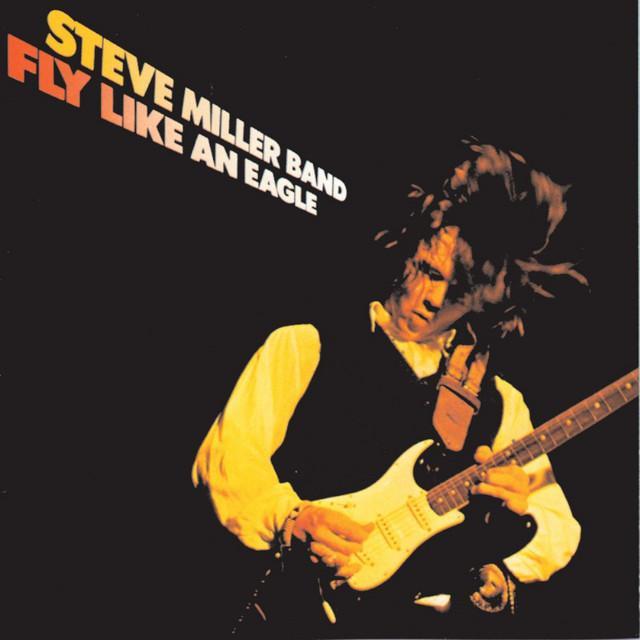
Released in 1976 on the album Fly Like an Eagle, the song became one of Steve Miller Band's signature hits and reached No. 2 on the Billboard Hot 100 in 1977. It was written and produced by Steve Miller, and its mix of rock, funk, and synthesizer-based atmosphere helped define its lasting appeal.
A Song About Freedom That Refuses Escape
On the surface, the song sounds weightless and open. The famous hook about wanting to fly like an eagle
suggests rising above limits, fear, or routine. In plain terms, the singer wants release. They want a life led by spirit instead of pressure.
But the song does not stay in fantasy. It quickly grounds that dream in the real world. The line about time slippin' into the future
creates urgency. Life is moving whether people are ready or not.
That is the key to the song's message: freedom is not just private escape. It is tied to responsibility. Miller pairs personal liberation with a wish to move through the revolution
, which makes the chorus feel social as well as spiritual.

Watch the official Fly Like An Eagle
music video
Where the Lyrics Point Their Energy
One reason the song lasts is that its imagery is easy to picture but hard to reduce to one meaning. Eagles suggest height, vision, strength, and motion. The sea suggests a destination that is vast, natural, and maybe even cleansing.
Interpretation: when the singer says they want to be carried by spirit, the song seems to imagine freedom as both emotional and moral. They are not just trying to get away. They are trying to become better, clearer, or more alive.
The strongest proof comes in the song's social-justice verse. Instead of staying abstract, Miller lists practical needs:
Feed the babies
Shoe the children
House the people
Those short commands shift the song from mood to mission. The dream of freedom is not complete if others are hungry, barefoot, or unhoused. In that sense, the song argues that a better future has to be shared.
Time, Then Action
The repeated ticking sounds at the start and throughout the track matter. They act like a clock in the background, reminding listeners that time is passing. That makes the song feel calm and urgent at once.
This is why the chorus lands so powerfully. The verses say time moves on. The refrain answers: then rise, act, and imagine more. Songfacts has long framed the track as a reminder that the clock is always running and that compassion matters, and that reading fits the structure of the lyrics.
Interpretation: the song's “revolution” does not have to mean one specific political event. It can suggest inner change, social progress, or both. The lyric stays broad enough to welcome different listeners while still sounding purposeful.
The Sound Is Part of the Meaning
The production helps explain why the song feels futuristic even decades later. According to research collected by Wikipedia and Songfacts, Miller used an ARP Odyssey synthesizer, and the final recording blended live-band groove with electronic color. That combination gives the track a strange but inviting texture: earthy drums and bass underneath, spacey tones floating above.
That contrast mirrors the lyrics. The band sounds grounded, but the synth sounds airborne. Together, they create a musical version of the song's central idea: everyday life reaching toward something larger.
Steve Miller later described the song as a blend of electronic music, a funky groove, socially conscious lyrics, and an inspirational message. That is a useful guide because it keeps the meaning balanced. This is not only a protest song, and not only a spiritual song. It is both reflective and communal.
Why the Recording Feels So Open
Part of the track's power comes from restraint. The arrangement leaves space between the beat, the keyboard textures, and Miller's vocal. That space makes the song feel like air and distance.
There is also an interesting backstory. Earlier live versions from the early 1970s were reportedly looser and more jam-based before Miller shaped the song into its better-known studio form. That history explains why the final version feels polished without losing its sense of freedom.
How Listeners Usually Read It
Over the years, listeners have heard the song in a few main ways:
- A freedom anthem about rising above limits.
- A social plea asking people to care for the vulnerable.
- A spiritual meditation on time, purpose, and release.
- A psychedelic or cosmic vision because of the floating sound design.
All four readings have some support in the track. Still, the second and third are especially strong because the lyrics connect transcendence with responsibility. The song does not celebrate flight for its own sake. It asks what freedom is for.
That balance may explain why the song has traveled so well across generations. It was a major hit in its own era, sold over a million copies in the United States, and later returned to pop culture through covers like Seal's 1996 version for Space Jam. Even with different production styles, the core message stayed intact.
Why It Still Connects Now
The meaning of Fly Like An Eagle Steve Miller Band remains fresh because the song names a problem that never goes away: time keeps moving, while justice still feels unfinished. Miller's answer is not despair. It is motion, imagination, and care.
They can hear the song as hopeful without calling it naive. It believes change is possible, but it also admits that change requires work. That is why the song feels both dreamy and practical.
In the end, "Fly Like an Eagle" is about wanting a freer life and realizing that freedom means little if it is not tied to empathy. Its sound lifts upward, but its conscience stays on the ground.
Disclaimer: This interpretation is based on the song's lyrics, recording context, and documented comments from Steve Miller. Like all art, listeners may hear meanings that differ from this reading.







