Why ‘Heaven Help Us All’ Still Hits Hard
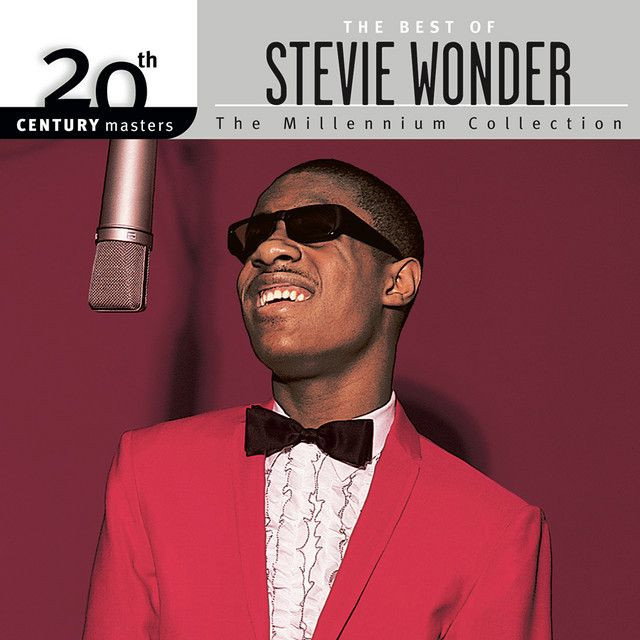
The meaning of Heaven Help Us All Stevie Wonder starts with a simple idea: this is a prayer for a damaged world. Released in 1970 on Signed, Sealed & Delivered, the song was written by Ron Miller and recorded by Stevie Wonder as a soul track with strong gospel feeling. It reached No. 9 on the Billboard Hot 100 and No. 2 on the U.S. R&B chart, showing how widely its message connected with listeners (Wikipedia).
"Heaven Help Us All" - Stevie Wonder
Heaven help the girl who walks the street alone
Heaven help the roses if the bombs begin to fall
Loading lyrics...
Unable to load lyrics
We're unable to display the lyrics at this time. Please try again later.
What makes the song powerful is that it does not stay personal for long. It looks outward. Instead of focusing on one heartbreak, it names different kinds of suffering and asks for mercy, justice, and moral change.
A Prayer That Sounds Like Social Witness
At its core, the song is about human vulnerability. Each verse points to people who are exposed to danger, neglect, or violence. The repeated appeal to heaven is not escapist. It sounds more like an alarm bell.
When the lyric mentions a child without a home and a girl alone in the street, it frames society by its failures. A nation can call itself strong, but these images ask whether it protects the weak. The refrain Heaven help us all
ties every example together and turns separate problems into one shared moral crisis.
This is why the song still feels current. It is not only about private faith. It is about public responsibility.

Watch the official Heaven Help Us All
music video
How the Verses Build the Song’s Meaning
The writing moves in widening circles. First come people in immediate danger. Then the song turns to race, war, and power.
One of the sharpest moments contrasts the black man
and the white man
. Paraphrased, the point is clear: one side suffers under struggle, while the other is judged for indifference. In 1970, that carried obvious weight in the United States, during a period shaped by civil rights battles, urban unrest, and deep distrust in institutions.
The song then becomes even more direct about violence. It points to a boy who may not reach adulthood and the man who put a weapon in his hands. That line does not excuse the damage done by violence, but it asks listeners to look beyond the trigger and examine the adults, systems, and values behind it.
Keep hatred from the mighty
And the mighty from the small
This brief prayer may be the song’s moral center. It asks for protection in two directions: from hatred itself, and from powerful people who can harm the vulnerable.
The Chorus Turns Sympathy Into Collective Guilt
A lot of protest songs say they. This one says us. That choice matters.
By returning again and again to help us all
, the song refuses easy distance. The poor, the threatened, the ignored, and the comfortable are all placed in the same frame. The message is not that everyone suffers equally. It is that everyone is tied together by the same moral condition.
Interpretation: this is why the chorus feels both hopeful and uneasy. It asks for rescue, but it also suggests that people have helped create the mess they want heaven to fix.
Why Stevie Wonder’s Performance Deepens the Message
Facts about the recording help explain its effect. According to available release information, the single was produced by Ron Miller and Tom Baird and marked a move toward a more earthy, gospel-shaped sound for Wonder (Wikipedia). That sound matters as much as the words.
The groove is steady and warm, but not relaxed. The rhythm section keeps the song moving forward like a march, while the gospel touches make it feel communal, almost like a congregation answering a leader. Wonder’s vocal delivery shifts between tenderness and urgency, which mirrors the lyric’s two sides: compassion for the vulnerable and frustration with the world that hurts them.
That blend of soul, pop, and gospel lets the song cross audiences. Cash Box praised its broad appeal, calling it an “all-format” record, while Record World highlighted it as a standout cut (Wikipedia). Those reviews fit the song well. It is accessible, but it never softens its message.
Faith, But Not Blind Faith
The song uses religious language, but it does not sound passive. This is not a hymn that tells people to wait quietly. It is a plea that exposes human failure.
The bedtime prayer image near the end is especially important. It brings innocence into a world full of bombs, hatred, and abandonment. That contrast makes the song ache. A childlike act of prayer is set against adult-made chaos.
Interpretation: listeners do not need to hear the song as strictly religious. They can also hear it as a moral appeal in spiritual language. In that reading, “heaven” stands for the highest standard people should live by, even when they fall short.
Why the Song Endures
Part of the reason this track lasts is its structure. It is easy to follow, emotionally direct, and built around unforgettable examples instead of abstract preaching. Another reason is timing. Coming in 1970, it captured a nation wrestling with race, war, and inequality, yet it was broad enough to stay relevant beyond that moment.
The meaning of Heaven Help Us All Stevie Wonder can be summed up this way: it is a compassionate but unsparing prayer for people living under the weight of injustice. It asks listeners to see the homeless child, the isolated woman, the threatened young man, and the abused powerless person as part of one human story.
Its final impact comes from that hard balance. The song believes in mercy, but it also demands conscience.
Final takeaway
Stevie Wonder’s recording turns a social warning into a communal prayer. It comforts, but it also confronts. That is why it still lands more like a call to wake up than a song of surrender.
Disclaimer: This interpretation separates documented facts from critical reading. Song meaning can vary from listener to listener.








