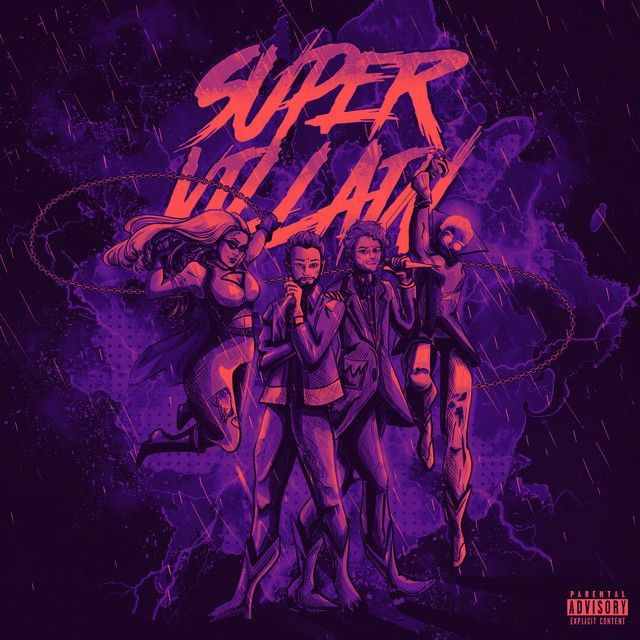
Why ‘Super Villain’ Chooses the Dark Side
The meaning of Super Villain Stileto, Silent Child, Kendyle Paige centers on a painful idea: when a person is treated like a monster long enough, they may decide to become one. The song is less about comic-book evil than about social judgment, emotional burnout, and the temptation to turn hurt into power.
"Super Villain" - Stileto, Silent Child, Kendyle Paige
Verse 1:
Why am I the bad guy
Loading lyrics...
Unable to load lyrics
We're unable to display the lyrics at this time. Please try again later.
Built around hard-hitting electronic production and a sharp vocal performance, “Super Villain” turns inner conflict into a dramatic identity shift. They present a speaker who still wants to be seen as decent, but keeps failing, keeps getting blamed, and finally stops resisting the label.
The Core Conflict Is Hero vs. Label
At the start, the narrator asks why they are framed as the enemy. They do not begin as proudly evil. In fact, they say they want to be the hero, even if only sometimes
. That small word matters because it suggests they are not asking for perfection, only a fair chance.
Then the song twists. Each attempt to do good seems to end badly, and the speaker starts to believe their reputation may be stronger than their intentions. When they move from wanting to be the good guy
to considering a darker role, the song shows how shame can harden into self-definition.
Interpretation: This is a song about identity being shaped by outside judgment. Rather than saying evil is natural, it suggests that repeated blame can make a person give up on being understood.
Watch the official Super Villain
music video
How the Story Escalates
The lyrics move in a clear emotional sequence:
- They question why they are always cast as the villain.
- They admit they still want to do the right thing.
- They conclude those efforts keep ending in damage.
- They decide to lean into the image others already see.
That final turn is summed up in the blunt phrase Fuck it I’ll try it
. It sounds reckless, but it also sounds exhausted. The line is important because it is not joyful. It feels like surrender dressed up as confidence.
Why the Pre-Chorus Hits So Hard
The pre-chorus stacks insults like monster, demon, savage, heathen
. Instead of arguing back, the narrator repeats the names. That choice gives the section its emotional bite.
Paraphrased, the speaker is saying: if no one will let them be heroic, maybe they should accept the darker part. The phrase super villain
is exaggerated on purpose. It turns personal pain into a larger-than-life mask.
If I’m no hero
Maybe I should be a super villain
This is the song’s only real mission statement. It reframes the whole track as a transformation scene, where rejection becomes fuel.
Villain Imagery as Emotional Armor
Verse two pushes the idea further with images of demons, bad blood, and Medusa. These are not random dark details. They all point to a person who feels cursed, dangerous, and done with mercy.
The Medusa reference matters most. In myth, Medusa combines fear and victimhood, punishment and power. When the song mentions a head full of snakes
, it turns mental overload into a visual threat. The narrator’s thoughts are no longer just painful; they are weaponized.
Interpretation: The song uses villain symbols as emotional armor. The speaker may not truly want destruction. They may want protection, control, and a version of strength that nobody can mock.
How the Sound Supports the Meaning
Even without outside production notes, the song’s style is clear from the writing and performance. Stileto and Silent Child work in a lane where electronic bass, tense drops, and dramatic vocal builds can make inner emotion feel cinematic. Kendyle Paige’s delivery helps sell the shift from wounded to dangerous.
The production likely matters in three ways:
- Heavy impact: Strong bass and punchy rhythm make the anger feel physical.
- Dark atmosphere: Electronic textures create a cold, unstable mood.
- Hook-driven repetition: The repeated title line mirrors obsessive thinking.
That matters for the meaning of Super Villain Stileto, Silent Child, Kendyle Paige because the sound does not soften the message. It amplifies it. The track feels like a meltdown turning into a persona.
A Psychological Reading of the Song
One useful way to read “Super Villain” is as a song about self-fulfilling prophecy. If someone is always treated as dangerous, toxic, or broken, they may begin acting from that role. The song dramatizes that process.
There is also a tension between guilt and defiance. The narrator knows things go wrong around them, but the song never fully proves whether they are truly destructive or simply trapped in a story others wrote first. That ambiguity gives the track depth.
Interpretation: The “villain” may be less a real criminal than a person who has stopped asking for approval. In that reading, the song is about emotional exile more than evil.
Why the Song Connects
Many listeners will hear “Super Villain” as a revenge anthem, but its strongest layer is sadness. Under the swagger is someone who wanted another ending. They wanted to be welcomed, trusted, and seen as good. When that failed, they chose power over vulnerability.
That is why the song lands. It understands a common feeling: being misunderstood so often that darkness starts to look simpler than hope.
Final Take
“Super Villain” turns blame into identity and pain into spectacle. Its lyrics and production work together to show a narrator crossing the line between wanting acceptance and embracing menace.
That reading is an interpretation, not a confirmed statement from the artists. Still, based on the lyrics, “Super Villain” is best understood as a dark-pop and electronic portrait of someone becoming the role the world assigned them.








