Why "Fragile" by Sting Still Cuts Deep
The meaning of Fragile Sting comes through with unusual clarity: violence harms the body, but it also leaves a mark on memory, conscience, and history. Sting wrote the song as a quiet meditation rather than a loud protest, and that choice is a big reason it still lands.
"Fragile" - Sting
Drying in the color of the evening sun
Tomorrow's rain will wash the stains away
Loading lyrics...
Unable to load lyrics
We're unable to display the lyrics at this time. Please try again later.
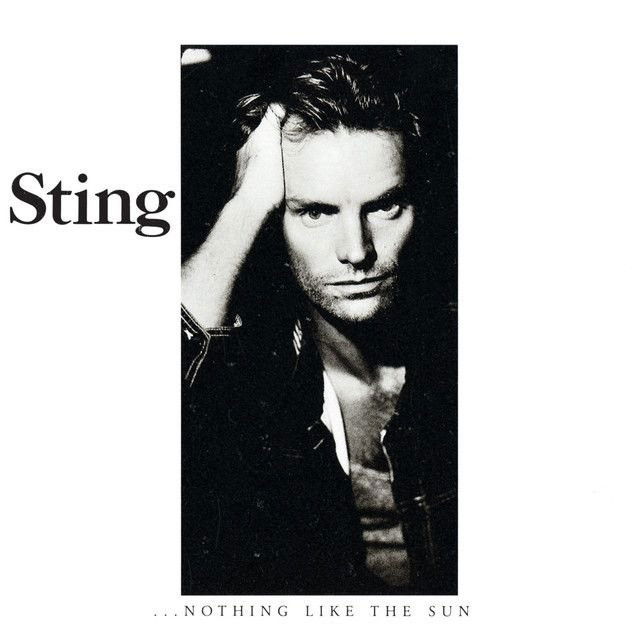
Released on ...Nothing Like the Sun in 1987, “Fragile” was written by Gordon Sumner, better known as Sting, and became one of his most enduring solo songs. In interviews and official notes around the song, Sting has connected it to the killing of American engineer Ben Linder in Nicaragua, which gives its plea against violence a real-world anchor. Sting official discography and Encyclopaedia Britannica provide basic background on the artist and release era.
A Gentle Song With a Hard Truth
At its core, the song argues that violence never truly solves anything. The opening image joins human flesh with metal, showing a moment where technology and force meet the body with terrible results. Even before the chorus arrives, the lyric points to a simple lesson: what can be cleaned from the ground cannot be cleaned so easily from the mind.
That is the center of the meaning of Fragile Sting. The visible stain may disappear, but memory remains. When Sting moves toward the line nothing comes from violence
, he is not just making a slogan. He is summing up the emotional logic of the whole song.

Watch the official Fragile
music video
How the Verses Build the Message
The first verse starts with physical damage and then expands outward. Blood, steel, evening light, and rain all work together to show two timelines at once:
- The immediate moment of harm
- The natural world continuing afterward
- The mind refusing to forget
That last point matters most. The phrase always stay
turns the song from description into reflection. The event is over, but its effect is not.
Then the second verse sounds almost like a sad conclusion after many arguments and many losses. The idea behind final act
suggests that violence is often treated as a dramatic ending or decisive answer. Sting rejects that idea. Interpretation: they frame violence as a false form of closure, one that settles nothing and teaches the same painful lesson again.
The Chorus Makes the Song Universal
The chorus is where the song widens from one victim or one conflict to everyone. The key phrase how fragile we are
does not isolate a nation, side, or ideology. It turns the song into a statement about the human condition.
That universality is why listeners have carried the song into very different moments, from memorials to benefit concerts. It is not only about political violence, even if that was part of its origin. It is also about mortality, grief, and the thin line between ordinary life and irreversible loss.
On and on the rain will fall
Like tears from a star
This brief refrain is one of the song’s strongest images. The rain sounds cleansing, but it also sounds like mourning. Nature seems to cry, yet it cannot undo what happened.
Rain, Stars, and the "Angry Star"
The song’s imagery is simple but layered. Rain can wash surfaces, but it cannot erase moral damage. Evening light makes the scene beautiful for a moment, which makes the violence feel even more tragic. And the line about an angry star
adds a cosmic note, as if some people are born under systems of conflict they did not choose.
Interpretation: that image may point to fate, bad luck, or the brutal conditions of history. Rather than blaming individuals alone, the song hints that people are often trapped inside larger cycles of power and violence.
This is one reason “Fragile” has lasted. It speaks plainly, but it does not oversimplify suffering.
Why the Sound Matters So Much
Musically, “Fragile” is as important as its words. Sting’s recording is known for its delicate arrangement, especially the nylon-string guitar feel and light Latin-jazz shading that make the track sound intimate instead of theatrical. On ...Nothing Like the Sun, Sting worked with high-level players including guitarist Dominic Miller in his broader solo world, and the album itself is widely noted for its sophisticated musicianship. AllMusic and The Rock and Roll Hall of Fame offer background on Sting’s style and career.
That softness is not accidental. A harsher production might have turned the song into accusation. Instead, the gentle tempo and airy space invite mourning and reflection. They make the anti-violence message feel humane rather than preachy.
Artist Context Shapes the Reading
Sting often writes from a politically aware but poetic angle. He tends to avoid blunt slogans and instead lets images carry the argument. In “Fragile,” that method works especially well because the song never sounds tied to one headline only.
Factually, the song is associated with the death of Ben Linder, and that context helps explain its sorrowful seriousness. But the lyric itself remains broad enough that listeners can hear it in relation to war, terrorism, street violence, or personal loss. That balance between specific origin and universal meaning is a major reason the song still reaches new audiences.
The Lasting Meaning of Fragile Sting
The lasting meaning of Fragile Sting is that human life is precious, easily damaged, and never made safer by cruelty. The song insists that even when evidence disappears, emotional truth remains.
Interpretation: they present fragility not as weakness, but as a reason for compassion. Because people are breakable, they owe each other care.
That idea is why “Fragile” still feels timely. Its message is quiet, but it is not small.
Disclaimer: This interpretation mixes documented context with critical reading. Meanings can vary by listener, and not every image has one fixed explanation.









