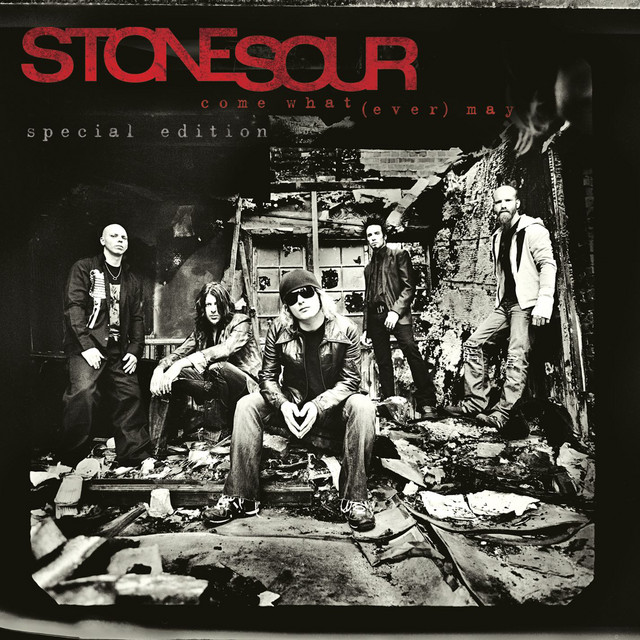
Through Glass by Stone Sour
The meaning of Through Glass Stone Sour starts with a sharp complaint: modern fame can turn people into surfaces. But the song lasts because it does more than attack celebrity culture. It also captures a lonely, trapped feeling many listeners recognize right away.
"Through Glass" - Stone Sour
Don't know how much time has passed
Oh God, it feels like forever
Loading lyrics...
Unable to load lyrics
We're unable to display the lyrics at this time. Please try again later.
Released as a single from Come What(ever) May in 2006, “Through Glass” became Stone Sour’s biggest crossover hit, reaching No. 1 on U.S. Mainstream Rock and No. 39 on the Billboard Hot 100, according to Wikipedia and Songfacts. That success matters because the band turned a very specific frustration into a song with wide emotional reach.
A Song About Fake Images and Real Isolation
Factually, Corey Taylor said the song came from anger at what he saw as manufactured pop culture and celebrity packaging. Songfacts and Wikipedia both quote him describing “plastic” acts and saying the track was his way of calling out an image-first system linked to “American Idol”-style fame.
That background helps explain lines built around distance and observation. When the singer says looking at you through the glass
, they are not describing simple romance. They are describing separation. The person on the other side can be a celebrity, a public mask, or even the self presented to the world.
Interpretation: the song argues that media culture makes people visible but not truly knowable. Someone can be watched all day and still remain emotionally unreachable.
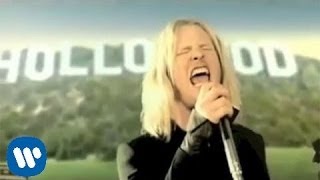
Watch the official Through Glass
music video
The Chorus Turns Critique Into Something Personal
The hook is why the song feels bigger than an industry rant. The phrase feels like forever
shifts the mood from social criticism to emotional exhaustion. This is not just annoyance. It is weariness.
Then the song lands on inside your head
, which reframes the whole track. The problem is not only external culture. It is also what that culture does to a person’s inner life. Endless looking, judging, performing, and comparing can leave someone isolated in their own mind.
How do you feel?
That is the question
This brief moment is important because it sounds direct, almost caring, but the song quickly suggests there is no easy answer. The person being observed is too folded up, too reduced, too misunderstood.
Who They Are Talking To
The verses keep changing the target on purpose. Sometimes the song sounds like it addresses a celebrity figure. Elsewhere, it sounds like a person speaking to anyone who judges from the outside.
That is why the line about being outside looking in
matters so much. It challenges the listener. They may think they understand what they see, but the song insists appearance is a poor guide to truth.
Interpretation: they are speaking both to the culture and to the audience inside it. The song says: before reducing someone to an image, remember there is a real person behind that frame.
The Symbols: Glass, Mannequins, and Stars
The imagery is simple but strong. “Glass” suggests screens, TV sets, windows, barriers, and display cases. All of those ideas fit a world where people are watched, sold, and judged.
The reference to mannequins deepens that idea. A mannequin looks human but has no inner life. When the song describes an epidemic of the mannequins
, it points to a culture of imitation and emptiness. People become products. Heart gets replaced by presentation.
The stars image is even more clever. Stars are usually linked with glamour and aspiration, but here the song says they can also deceive. They shine, but they also mislead. In plain terms, fame promises meaning while often delivering illusion.
Why the Sound Makes the Message Hit Harder
Produced by Nick Raskulinecz, “Through Glass” is often tagged as alternative rock or post-grunge, according to Wikipedia. Its sound matters to the song’s meaning.
Instead of going full speed, the band uses a measured tempo, ringing guitars, and a big, melodic chorus. That choice gives the lyrics room to breathe. The track feels reflective before it feels explosive.
Taylor’s vocal also sells the theme. He does not sound wild all the time; he sounds tired, wounded, and frustrated. That balance is key. If the performance were only angry, the song might feel narrow. Because it carries sadness too, the critique feels human.
The Video Strengthens the Reading
The music video, directed by Tony Petrossian, supports the song’s anti-image message. As summarized on Wikipedia, party scenes and glamorous settings are revealed as fake constructions, including the famous “Hollowood” visual. The point is simple: the dream factory is hollow underneath.
That visual choice fits the lyric themes almost perfectly. What seems exciting from a distance becomes empty when the set walls come down.
Why So Many People Hear It Differently
Even with Taylor’s clear explanation, listeners often connect the song to depression, derealization, prison visitation, or feeling unseen. Songfacts comments have long reflected those alternate readings.
That does not contradict the original meaning of Through Glass Stone Sour. It shows why the writing works. The song begins in cultural anger, but it speaks in emotional images broad enough to hold other experiences.
The Lasting Meaning
In the end, the meaning of Through Glass Stone Sour is about the cost of living in a world that confuses image with identity. It criticizes fake celebrity, but it also mourns the loneliness that comes with being reduced to what others see.
That is why the song still connects. They made a rock single about media illusion, but they wrote it in a way that sounds like personal survival.
Disclaimer: This interpretation separates documented artist comments from broader listener readings. Songs can support more than one meaning, and individual listeners may hear different truths in the same lines.









