Why ‘The Flower And The Young Man’ Feels So Fragile
A love story told through nature
The meaning of The Flower And The Young Man Strawbs starts with a simple image: a flower growing in a harsh landscape, and a young man drawn to it. On the surface, the song reads like a short pastoral tale. Under that surface, it becomes a meditation on love, time, and the pain of knowing that beauty does not last.
"The Flower And The Young Man" - Strawbs
While seasons change in timely way
The salt sea ever flows
Loading lyrics...
Unable to load lyrics
We're unable to display the lyrics at this time. Please try again later.
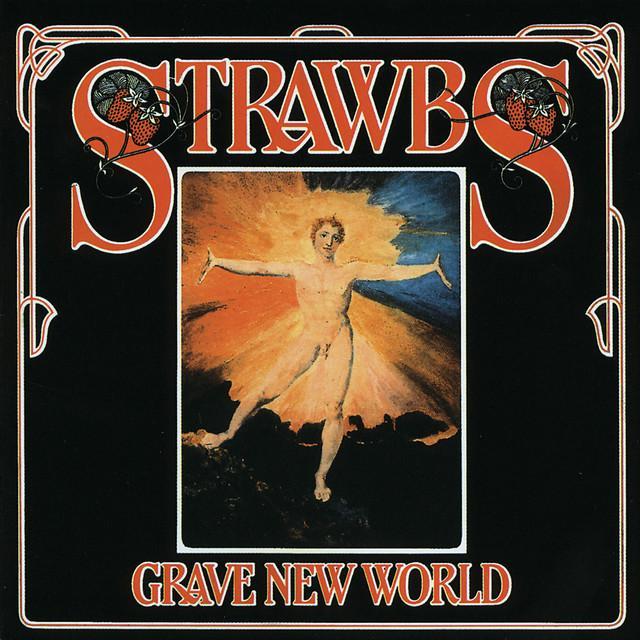
The song appeared on Strawbs’ Grave New World, released in 1972, and is credited to Dave Cousins. According to the song’s documented background, the lyric has been described as a veiled reference to a real love affair Cousins did not want to expose publicly. That context matters because it makes the song feel less like fantasy and more like emotional disguise.

Watch the official The Flower And The Young Man
music video
What the story is actually saying
In plain terms, the song follows a cycle. A flower survives in a bleak place. A traveler, then a young man, is warmed and changed by its presence. For a while, they share a season of joy. Then autumn comes, the flower leaves, and the young man is left heartbroken.
That plot is small, but its emotional reach is larger. The repeated image of seasons changing suggests that the relationship is part of nature’s order. Love arrives, blooms, and fades. The tragedy is not that this happens unexpectedly. The tragedy is that they know time is moving and still cannot stop it.
A key line of thought appears in the recurring phrase seasons change
. The song keeps returning to the natural world to show that human feeling is tied to time. The sea keeps flowing, the moors stay exposed, and life continues even when one person’s romance ends.
The flower as symbol, not just character
More than a person
The flower likely represents the beloved, but not in a flat way. They are not only a romantic partner. They also stand for warmth, tenderness, and the brief miracle of beauty appearing in a hard place.
When the lyric describes a single flower grows
, it highlights rarity. This is not abundance. It is one bright life in a cold setting. That makes the young man’s attachment feel intense from the start. He is not simply interested; he is transformed by something unusual.
Why the young man matters
The young man seems less like a fully detailed character and more like a human type. He is open-hearted, sincere, and a little naïve. He responds deeply, but he does not fully grasp how temporary the moment is.
That idea becomes clearer when the song suggests he is blinded by their colours bright
. In other words, joy itself distracts him. He is so absorbed in love’s beauty that he misses the clock ticking in the background.
How the seasons build the emotional arc
The structure of the lyric follows the calendar, and that is the song’s smartest move. Each season changes the relationship without needing dramatic plot twists.
- In the opening, the world feels cold and exposed.
- Then warmth arrives, and the flower offers comfort.
- Summer becomes the season of care, intimacy, and emotional fullness.
- Autumn brings distance, decay, and loss.
This movement gives the song the shape of a fable. It is almost gentle in how it tells the story, which makes the ending hit harder. By the time the flower gives a chill farewell
, the listener understands that the breakup is not loud or chaotic. It is quiet, final, and deeply sad.
Through summer days of warmth and love
The young man tends his flower
Those lines, brief as they are, show the emotional center of the song: devotion during the season when love seems secure. The later pain works because the earlier care feels genuine.
What the music adds to the meaning
The arrangement helps explain why the song lingers. Notes on the track describe an opening a cappella verse, later heavy keyboard passages, and a closing return that echoes the beginning with harmonium backing. It also features clavioline, an early keyboard instrument related to the pre-synth era, alongside Hammond organ and Mellotron textures, as documented in Strawbs history.
That combination gives the song a strange balance: earthy and otherworldly. Acoustic guitar keeps the setting rooted in folk tradition, while the organ, Mellotron, and clavioline create a glow around the lyric. The result feels half ballad, half memory.
This matters because the song is not only about a relationship ending. It is about how memory softens and mythologizes experience. The production makes the affair sound preserved in amber, as if the singer is retelling something too private to name directly.
Artist context and the song’s emotional restraint
Strawbs often moved between folk and progressive rock, and this track shows both sides clearly. The storytelling is direct and old-fashioned, but the arrangement expands it into something dreamlike. That blend fits the lyric’s hidden quality.
If the song truly masks a personal affair, then its restraint makes sense. Instead of confession, they get allegory. Instead of naming people or places, the song gives listeners moors, sea, winter, summer, and a flower. The emotional truth stays visible even while the facts stay covered.
One main reading, and one alternate one
Interpretation: The strongest reading is that the song is about a secret or impossible love that felt pure but could not last. The flower is the beloved, the seasons are time and circumstance, and the young man is left with grief because real devotion cannot defeat change.
Interpretation: A second reading is broader. The flower may stand for youth itself, or any short-lived happiness. In that version, the song is less about one affair and more about how people care for beautiful things they are destined to lose.
Why the song still resonates
The meaning of The Flower And The Young Man Strawbs lasts because it is easy to understand and hard to shake off. Nearly everyone knows the feeling of realizing too late that a bright season is ending. The song captures that with unusual grace.
Its final power comes from contrast: rough landscape against delicate flower, summer warmth against autumn wear, devotion against time. They do not overstate the lesson. They simply let the cycle repeat.
That is why the song feels so tender. It accepts that love can be real, life-changing, and still temporary.
Disclaimer: This article offers interpretation based on the lyrics, documented song history, and musical context. As with many songs, listeners may reasonably hear it differently.







