Why “Rock This Town” Still Feels Like Rebellion
The meaning of Rock This Town Stray Cats starts with a simple scene: a couple goes out on a Saturday night looking for fun. But the song quickly becomes more than a date-night story. It turns into a loud, stylish defense of rock and roll itself.
"Rock This Town" - Stray Cats
I had my hair piled high and my baby just looked so right
Well, pick you up at ten, gotta have you home at two
Loading lyrics...
Unable to load lyrics
We're unable to display the lyrics at this time. Please try again later.
Released first in the UK in 1981 and later in the US in 1982, Rock This Town
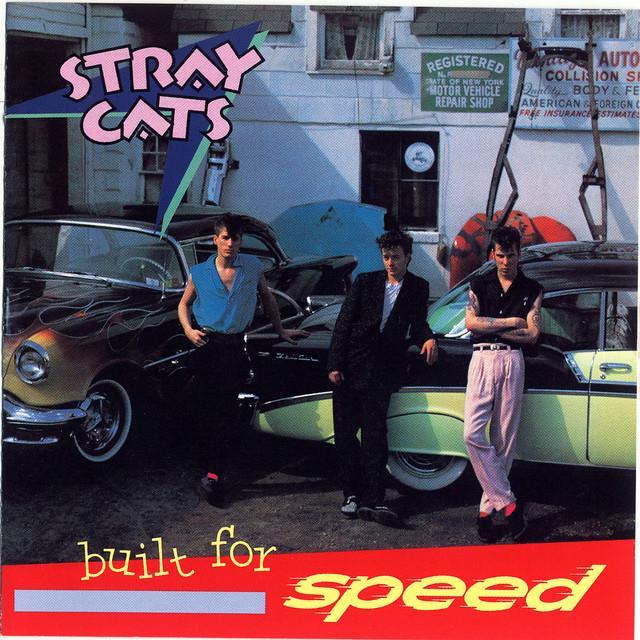
helped push the Stray Cats from revival act to major crossover success. According to available release data, it was the band’s second single, written by Brian Setzer and produced by Dave Edmunds; it later reached No. 9 on both the UK Singles Chart and the US Billboard Hot 100. It also appeared on the band’s UK debut and the US package Built for Speed. Those facts matter because the song arrived at a moment when the band’s retro sound felt both old-fashioned and fresh.
A Saturday Night Story With a Bigger Mission
On the surface, the song follows a clear timeline. A couple gets dressed up, heads out late, tries a local spot, and finds the mood all wrong. The jukebox is the key turning point. Instead of hearing the music they want, they hear something that kills the vibe, so they decide to leave and create their own scene.
That is why the hook lands so hard. When they sing rock this town
and rock it inside out
, they are not only promising to dance. They are promising to take over the room and replace dullness with energy.
Interpretation: The song is really about cultural confidence. The characters do not beg to fit in. They act like their taste already belongs, and the town just has not caught up yet.
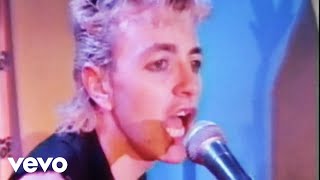
Watch the official Rock This Town
music video
The Lyrics Frame Cool as a Form of Identity
Brian Setzer writes the narrator as someone who sees style, music, and movement as connected. Early lines about appearance and timing make the couple feel almost cinematic. They are not casual partygoers. They arrive with intention.
A short phrase like cool as can be
says a lot. It suggests that image matters, but not in an empty way. In this song, looking sharp is part of resisting a bland nightlife culture. Their hair, clothes, and swagger all support the same message: they know who they are.
That also explains the brief tension in the later verse, when the narrator notices a real square cat
. The insult is less about one person and more about a mindset. In rock-and-roll language, a “square” is someone stiff, joyless, or out of step.
Why the Chorus Feels So Big
The chorus is catchy because it takes a small frustration and turns it into a public event. The couple is no longer just leaving a weak venue. They are declaring what the night will become.
We're gonna rock this town
Make 'em scream and shout
Even in this brief burst, the song shifts from private fun to collective release. The goal is not just personal pleasure. The goal is transformation.
Interpretation: The chorus works like a manifesto for the Stray Cats’ whole project. They were reviving rockabilly in an era shaped by disco, new wave, and changing pop trends. So the promise to remake the room also sounds like a promise to restore an older spirit of live, physical rock and roll.
Sound First, Meaning Second
A big part of the meaning of Rock This Town Stray Cats comes from the arrangement. The song moves with speed and snap. Setzer’s guitar has that bright, cutting rockabilly twang, while Lee Rocker’s upright bass gives it a bouncing pulse. Slim Jim Phantom’s drumming keeps everything lean and propulsive.
Produced by Dave Edmunds, the track avoids heavy studio polish and leans into a raw, high-energy feel. That choice matters. A cleaner or more modern production might have softened the song’s point. Instead, the band sounds like they are already in motion, already halfway to taking over the dance floor.
This is also where the song’s rockabilly roots matter. Setzer’s known influences included 1950s rock and roll figures like Eddie Cochran and Carl Perkins, and that lineage can be heard in the sharp guitar attack and restless rhythm. The song does not just mention rebellion; it sonically performs it.
Why Context Makes the Song Stronger
The Stray Cats’ history helps explain why this track connected. The band left the US for the UK around 1980, where a rockabilly revival scene offered a better opening than the American mainstream at the time. Their early British breakthrough helped send the music back across the Atlantic, where Built for Speed repackaged key songs for US audiences.
So when the lyric pushes back against a weak jukebox culture, it feels rooted in real musical frustration. The band was making fiercely retro music in a period when that sound was not the safe commercial choice. The song’s attitude therefore reads as earned, not nostalgic cosplay.
It also helps explain the song’s long afterlife. Recognition from institutions like the Rock and Roll Hall of Fame’s list of songs that shaped rock and roll points to how successfully the track turned revivalism into something mainstream and lasting.
The Lasting Takeaway
At heart, this song is about more than dancing. It is about entering a stale space and refusing its rules. The couple in the lyric wants fun, but the band wants something larger: to prove that old-school rock and roll can still feel dangerous, physical, and cool.
That is why the song still works. It captures the thrill of deciding that if the room is dead, they will bring it back to life themselves.
Disclaimer: This interpretation is based on the lyrics, recording context, and documented history of the song. As with any song, listeners may hear meanings that go beyond the artist’s stated intent.







