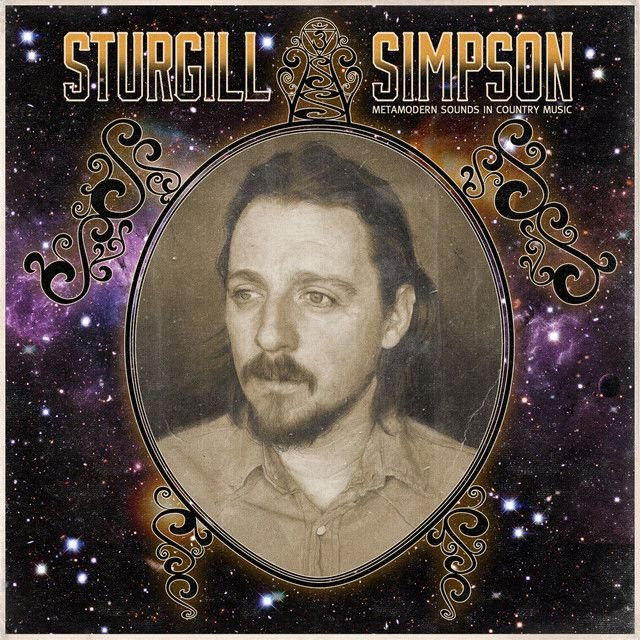
Long White Line by Sturgill Simpson
They come to this track for the throttle, but stay for the ache. If you’re searching for the meaning of Long White Line Sturgill Simpson, it lands where heartbreak meets horsepower. The song turns distance into medicine, asking whether motion can cure a wound the heart won’t fix.
"Long White Line" - Sturgill Simpson
For a long long time
Gonna hit the road and start looking
Loading lyrics...
Unable to load lyrics
We're unable to display the lyrics at this time. Please try again later.
What’s Really Running Down This Highway
At its core, the song is about escape. After a breakup, the narrator vows, I won't be around this old town
, and chooses the interstate as therapy. The target isn’t a place but a feeling: the imagined end of that long white line
, a finish that never arrives.
Interpretation: that unreachable “end” is the point. By chasing it, they avoid standing still long enough to face grief. The hook repeats like a mantra, turning the road into a ritual that keeps pain at bay.

Watch the official Long White Line
music video
The Voice Behind the Wheel
The story is told in the first person, present-tense momentum. They decide to hit the road
and tell others where to find them—always “somewhere,” always moving. That choice frames the narrator as proud, stubborn, and self-medicating through miles.
A breakup sparks the ignition. When they discover my baby was gone
, home loses meaning. Instead of processing loss, they aim for speed and distance. The phrasing is simple and direct, which fits a driver’s focus: the lane ahead, a steady engine, and a single goal—keep going.
A Straightforward Story, Told in Motion
Here’s the plot, beat by beat:
- A goodbye to town: the narrator leaves without a clear return date.
- Logistics first: a stop at the bank for travel money.
- Strategy:
push this rig
until the ex isout of my mind
. - The map blurs: New York, St. Joe, Albuquerque—place names stream by as proof of distance, not destinations.
- Refrain returns: the “end” of the line remains out ahead, always just past the next exit.
Interpretation: the travelogue isn’t sightseeing; it’s a tally of miles meant to drown memory.
Symbols on the Center Stripe
The “long white line” is first a literal highway stripe—the guide that splits lanes and keeps wheels straight. It also becomes a symbol for obsession: a thin, bright promise that something better sits just beyond the horizon.
Interpretation: Some hear a drug double meaning in the phrase, especially paired with drive-it-til-you-forget language. If read that way, the song shades darker. Whether it’s asphalt or other vices, the coping mechanism is the same—chase numbness. The repetition of the hook underscores compulsion: relief is always one more mile away.
The Sound of Forward Motion
Sturgill Simpson’s 2014 take turbocharges an older country road song with modern outlaw attitude. Producer Dave Cobb keeps the mix lean and live-feeling: snare-on-two-and-four, a pulsing bass, and twanging electric guitars that snap like passing mile markers. The tempo feels like 70 mph—fast enough to clear the head, steady enough to hold the lane.
Simpson’s vocal sits up front, rough-edged but tuneful, like a driver talking over engine noise. Short, punchy guitar licks answer the vocal lines, echoing the lyric’s call-and-response with the highway. The arrangement is tight, no fat—just the essentials for a night run: rhythm, riff, and resolve. That economy of sound mirrors the narrator’s narrowed focus.
Other Routes and a Final Note
Interpretation: There are two strong readings. One treats the song as classic trucker catharsis—use the road to outpace regret. The other treats it as a portrait of compulsion, with the “line” hinting at chemical escape. In both, the road is a tool, not a destination. The narrator’s battle isn’t with geography; it’s with memory.
Takeaway: The meaning of Long White Line Sturgill Simpson lands in a powerful American image—the endless highway—as both freedom and trap. It celebrates the rush of leaving while quietly asking what happens when the road ends, and grief is still in the passenger seat.
Disclaimer: Song interpretations are subjective. This analysis draws on lyrics, performance, and public context; other listeners may hear different layers.









