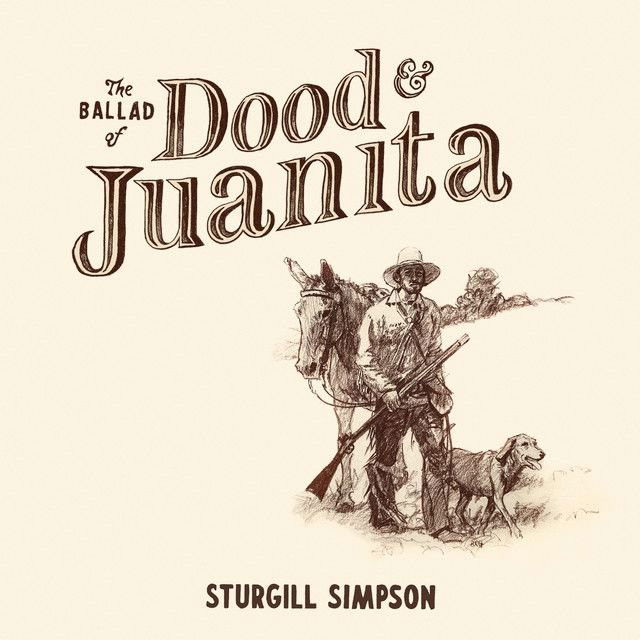
Played Out by Sturgill Simpson
A Hard Trail, a Harder Truth
The meaning of Played Out Sturgill Simpson starts with a simple scene: a hunter, a wounded body, a loyal hound, and a trail that keeps getting worse. On the surface, the song tells a frontier-style story about chasing something through pain and bad weather. But under that plot, it becomes a song about exhaustion, loyalty, and the point where determination turns into damage.
"Played Out" - Sturgill Simpson
And here comes the rain
Been chewing on willow bark
Loading lyrics...
Unable to load lyrics
We're unable to display the lyrics at this time. Please try again later.
The narrator is not just tired. They are deeply worn down, physically and emotionally. Early details like trail's gone cold
and hold back the pain
place the listener in a harsh world where survival takes constant effort. This is not romantic cowboy imagery. It feels muddy, bloody, and costly.
Watch the official Played Out
music video
The Story the Song Tells
A chase that becomes a test
The song unfolds in order, almost like a short film. First, the narrator is already hurt and trying to keep moving. They use rough, old-time remedies and keep pressing forward even as the body fails.
Then the landscape starts working against them. Rain, wounds, and distance all add pressure. When the narrator admits they have been pushing too hard
, the line matters because it shifts the song from action to self-awareness. They know this pursuit may be breaking them.
The dog changes everything
Midway through, the focus shifts to the hound, Sam. At first, the dog is a guide, the one sound that keeps the search alive. When that sound disappears, the song turns from strain into grief.
The reveal that Sam is dead gives the title its deepest meaning. The narrator says both they and the dog are, in effect, spent. The phrase down to my last draw
suggests a final reserve of strength, like the last breath or last chance. Sam's death makes the hunter's exhaustion feel spiritual too, not just physical.
Oh, he's played out
thorn stuck and blood raw
Those lines are blunt and painful. They show that the cost of the chase has fallen not only on the narrator, but on the animal who trusted them.
What “Played Out” Really Means
The chorus phrase is the key to the whole song. In plain language, being played out means being used up. The body is failing, the mind is fraying, and the mission no longer feels noble.
Interpretation: the song may be about more than a hunt. It can also read as a portrait of burnout. Anyone who has kept going past healthy limits may hear themselves in the narrator's condition. The physical details make that idea concrete: pain, bad judgment, tunnel vision, and the fear that all this suffering may be for nothing.
That fear appears in the prayer asking that the journey not be in vain. This gives the song moral weight. The narrator is not only asking whether they can finish. They are asking whether the chase ever deserved the sacrifice.
Images That Carry the Emotion
Sturgill Simpson packs the song with tactile images. Rain cools the trail but also kills momentum. Bloodstained buckskins show that the past is clinging to the narrator's body. The ridge and high ground suggest strategy and pride, yet even that advantage cannot stop collapse.
The hound works as the song's clearest symbol. Sam stands for loyalty, instinct, and the part of a person that keeps moving when logic says stop. Once Sam falls silent, the world feels empty. The hunt loses its heartbeat.
Another strong image is the wound care. Lines about treating injuries while still moving forward suggest a cycle of damage and denial. Interpretation: this can symbolize how people often patch themselves up just enough to keep functioning, instead of stopping to heal.
How the Sound Supports the Meaning
Sturgill Simpson has spent much of their career moving across styles, from country to bluegrass to rock, as outlets like Rolling Stone and NPR have noted. That context matters because “Played Out” fits their interest in American roots storytelling.
Musically, the song works best when heard as sparse and weathered rather than flashy. Its likely emphasis is steady rhythm, plainspoken melody, and a vocal delivery that sounds lived-in instead of theatrical. That restraint mirrors the lyric. A bigger arrangement could have made the pain feel dramatic; a leaner one makes it feel real.
The repeated title line also acts like a heavy step. Each return lands with more weight, especially after Sam dies. The song does not rush toward comfort. It lets fatigue sit in the air.
Two Strong Ways to Read It
Reading one: a literal frontier tragedy
Taken literally, the song is a grim narrative ballad. A hunter tracks game through injury and weather, loses the hound that made the hunt possible, and ends with a burial. In this reading, the song honors toughness while also criticizing the cost of blind persistence.
Reading two: a metaphor for burnout and loss
Interpretation: the hunt may stand in for any obsession: work, ambition, revenge, or a private mission someone cannot quit. In that reading, Sam's death becomes the moment when a person realizes their drive has harmed what they love most.
Both readings fit because the details are concrete, but the emotions are universal.
Why the Song Lingers
The meaning of Played Out Sturgill Simpson lasts because the song refuses easy heroism. It shows endurance, but it also shows the wreckage endurance can leave behind. The narrator keeps moving, yet the final image is not victory. It is burial, silence, and a painful reckoning.
That is what gives the song its power. They present a rough story from the trail, then quietly widen it into something many listeners know: the moment a person realizes they have gone too far to call the struggle noble anymore.
Disclaimer: This interpretation is based on the released lyrics, performance context, and publicly available artist background. As with any song, meaning can vary from listener to listener.








