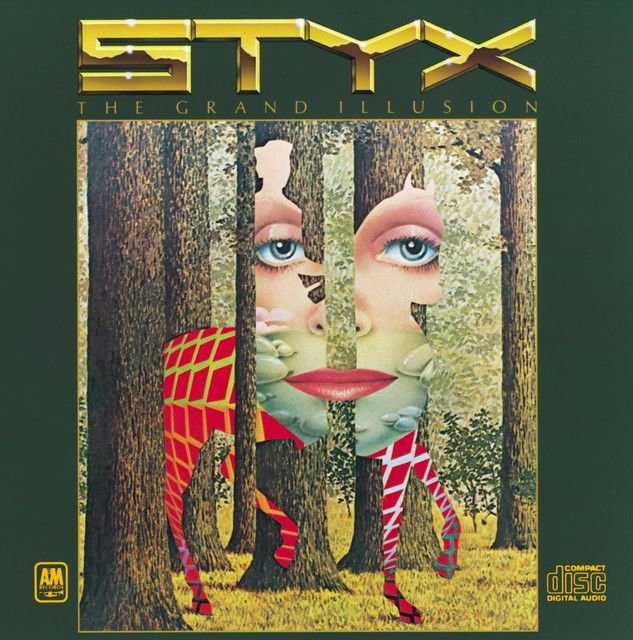
Beyond the Gates: Castle Walls by Styx
The meaning of Castle Walls Styx comes down to a haunting idea: safety can become a kind of prison, and truth often waits outside the places that feel secure. Written by Dennis DeYoung, the song turns that conflict into a dreamlike journey filled with fog, prophecy, battle, and fear.
"Castle Walls" - Styx
Far beyond these castle walls
Down by the bay where the
Loading lyrics...
Unable to load lyrics
We're unable to display the lyrics at this time. Please try again later.
Rather than telling a straight story, they present a vision. The lyrics move like a memory or a warning, which gives the song its power.
A Dream That Opens Into Crisis
The song begins in a space that feels distant and unreal. The opening phrase Once in a dream
tells listeners right away that the scene is symbolic, not purely literal. They place the speaker outside ordinary life, in a world where emotion matters more than plot.
At first, the setting seems beautiful. There is a bay, moonlit water, and a minstrel singing. But that beauty quickly turns uneasy. When the narrator fears they may have lost my soul
, the song shifts from fantasy into inner crisis.
Interpretation: This suggests the dream is really about identity. They are not just wandering through scenery; they are confronting a fear that something essential inside them has slipped away.
Watch the official Castle Walls
music video
Why the Walls Matter So Much
The central image is simple but rich: Far beyond these castle walls
. A castle usually means protection, status, and order. Walls keep danger out, but they also keep people in.
That double meaning is the key to the song. The speaker is pulled beyond the protected space into a harsher world. Out there, the harbor meets the sky, war is raging, and peace has failed. The image of every dove losing the will to fly turns a classic peace symbol into a sign of exhaustion.
Interpretation: The walls may represent comfort, innocence, or even self-deception. Going beyond them means facing reality without the shield of fantasy.
The Minstrel, the Fog, and the Pull of the Unknown
One of the song’s strongest details is the singer in the mist. The minstrel’s melody is not just background sound. It acts like a force that keeps calling the narrator forward.
The phrase haunting melody
matters because it blends attraction and danger. They are drawn onward, even though they do not sound fully willing. The fog adds to that tension. It hides what is ahead, so the journey becomes an act of surrender as much as choice.
This is where the song feels most psychological. Music becomes memory, temptation, or destiny itself. The narrator follows something they do not fully understand.
A Battle Outside and Inside
When the lyrics describe a place where the battle raged like hell
, the song expands. It is no longer just personal. Now the vision includes collapse, violence, and a wider human struggle.
That can be heard in two ways:
- Interpretation 1: It is an external scene of war and broken peace.
- Interpretation 2: It reflects an inner battle, where fear, guilt, or doubt have become overwhelming.
Both readings work because the song never locks itself into one meaning. The images are broad enough to feel mythic, but focused enough to stay emotional.
Why Tiresias Changes the Song
The reference to Tiresias is one of the most revealing moments. In Greek myth, Tiresias is a blind prophet connected with hard truths and unavoidable fate. Bringing that name into the song raises the stakes.
Now the message is not only emotional but philosophical. When the lyric says life is not what it seems and each person must meet destiny, the dream becomes a lesson. The narrator is being told that confusion is part of seeing clearly.
Interpretation: Tiresias represents insight that arrives only after innocence fades. The song seems to say that wisdom is costly.
Dennis DeYoung’s Theatrical Writing Style
Factually, the user-provided context identifies Dennis DeYoung as the songwriter, and that fits the song’s dramatic construction. DeYoung’s writing is often associated with strong melody, narrative framing, and grand imagery, which helps explain why this lyric feels almost staged rather than conversational.
Even without detailed session credits here, the words suggest a progressive or theatrical rock approach. The repeated title line acts like a refrain from a musical scene, while the harbor, fog, minstrel, and prophet create a near-medieval atmosphere.
That style matters to the meaning of Castle Walls Styx because it keeps the song from sounding like a diary entry. They turn private fear into something larger and more mythic.
Final Meaning: Leaving Safety, Meeting Truth
In the end, the song seems to be about what happens when a person leaves the protected version of life and meets reality in all its beauty and pain. The dream setting softens the entrance, but the lesson is severe.
They suggest that innocence cannot last, truth is unsettling, and destiny waits outside the walls people build around themselves. That is why the song feels both beautiful and uneasy at once.
For many listeners, that mix is the song’s real achievement. It captures the moment when wonder gives way to knowledge.
Disclaimer: This interpretation is based on the lyrics and provided context. As with many Styx songs, listeners may reasonably hear different meanings in its symbols and imagery.







