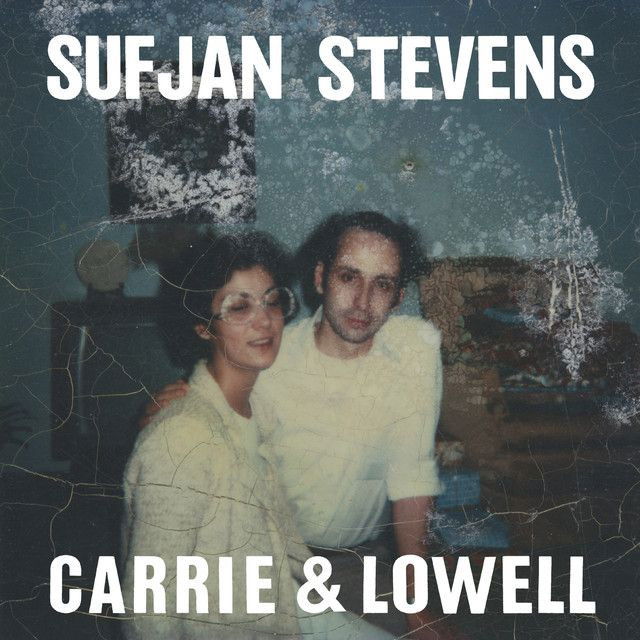
Why 'Drawn To The Blood' Feels So Unsettling
Sufjan Stevens often writes with a soft voice, but this song lands like a bruise. The meaning of Drawn To The Blood Sufjan Stevens comes through as a painful mix of love, shock, spiritual confusion, and the feeling of being harmed by someone close.
"Drawn To The Blood" - Sufjan Stevens
The flight of a one-winged dove
How? How did this happen?
Loading lyrics...
Unable to load lyrics
We're unable to display the lyrics at this time. Please try again later.
On the surface, the words describe a speaker trying to understand how love became violence. In the bigger context of Carrie & Lowell, the song also sits inside Stevens’ larger work of grief after his mother’s death in 2012, a loss that shaped the album, as noted by Songfacts. That context matters, because the song sounds like more than one wound at once.
At the Center: Love Mixed With Injury
The clearest idea in the song is contradiction. The speaker says they are drawn to the blood
, which suggests both attraction and damage. Blood can mean family, injury, guilt, or a bond that cannot be broken. In plain terms, the song presents someone pulled toward what hurts them.
That conflict grows with the line my prayer has always been love
. The speaker is not asking for revenge or power first. They are saying they wanted love, yet they ended up with pain. The repeated question, How did this happen?
, gives the song its emotional core. It is not a cool, distant reflection. It is shock.
Interpretation: Many listeners hear the song as being about an abusive relationship, and that reading is strongly supported by reporting from Songfacts, which cites Stevens confirming to Uncut that the abusive relationship in the song was his own. That does not reduce the track to one simple message, but it does ground the lyrics in lived pain.
Watch the official Drawn To The Blood
music video
The Images Are Strange for a Reason
Animals, Saints, and Violence
The song does not tell its story in neat detail. Instead, it uses intense fragments: one-winged dove
, head of a rabbit
, and heart of a dragon
. These are not random decorations. They feel like panic images, flashes from a mind trying to process trauma.
The dove usually suggests peace or innocence, but here it is wounded. A rabbit’s head feels vulnerable and hunted. A dragon’s heart sounds fierce, defensive, even mythic. Put together, the images move from weakness to fear to a desperate wish for strength.
The Biblical names matter too. When the song invokes Delilah and Elijah, it brings betrayal and prophecy into the same frame. Delilah carries the idea of love entangled with destruction, while Elijah suggests calling out to God in a moment of crisis. Stevens often uses religious language across his catalog, but here faith does not solve the problem. It only gives the pain a larger stage.
What did I do
to deserve this now?
How did this happen?
Those lines capture the speaker’s mental state: guilt, confusion, and disbelief. Rather than offering answers, the song circles the wound.
How the Album Context Deepens the Meaning
Carrie & Lowell was released in 2015 and is widely understood as Stevens’ most direct album about family loss, memory, and grief. According to Songfacts, Stevens also said he felt as if his mother’s ghost was inhabiting him and that he had many dark moments. That helps explain why this song can feel both personal and haunted.
Even if the lyrics point to romantic abuse, the album context invites a second layer. Old family pain can shape adult relationships. Grief can reopen earlier injuries. A person can be mourning one loss while also reliving another. That emotional overlap is a big part of why the track feels so raw.
Interpretation: One strong reading is that the song is about abuse in the present tense. Another is that it shows how present suffering activates childhood grief, religious doubt, and questions of self-worth. The song supports both.
The Sound Keeps the Listener Off Balance
Minimal Music, Maximum Pressure
Musically, the track is spare and tense, in line with the fragile style of much of Carrie & Lowell. Stevens’ delivery is restrained, almost fragile, which makes the words hit harder. There is no big dramatic release to clean up the emotion.
That choice matters. A louder arrangement could have made the song feel theatrical. Instead, the quiet production makes it feel private, as if the listener is hearing thoughts they were not supposed to hear. The acoustic setting, soft textures, and close vocal mix create intimacy, but the repetition creates pressure.
The repeated refrains work like intrusive thoughts. Every return to the central question feels less like a chorus and more like a mind replaying a moment it cannot understand.
Why the Song Connects So Strongly
Part of the song’s power is that it never fully explains the event behind the pain. That gap lets listeners connect their own experience of betrayal, grief, or spiritual confusion. Someone does not need to share Stevens’ biography to understand the feeling of asking why love turned harmful.
It also avoids easy moral lessons. The speaker does not sound triumphant or healed. They sound stunned. That honesty is why the song still resonates with fans who see Carrie & Lowell as one of Stevens’ most emotionally direct works.
Final Take on the Song’s Meaning
The meaning of Drawn To The Blood Sufjan Stevens is best understood as a portrait of someone caught between devotion and damage. It is about being wounded by love, trying to make sense of abuse, and reaching for faith when faith does not provide a clear answer.
Its religious symbols, animal images, and hushed production all serve that central feeling: the shock of discovering that tenderness and pain can live in the same place.
Disclaimer: This interpretation is based on the lyrics, album context, and public comments attributed to Stevens. Like many songs, it remains open to more than one valid reading.








