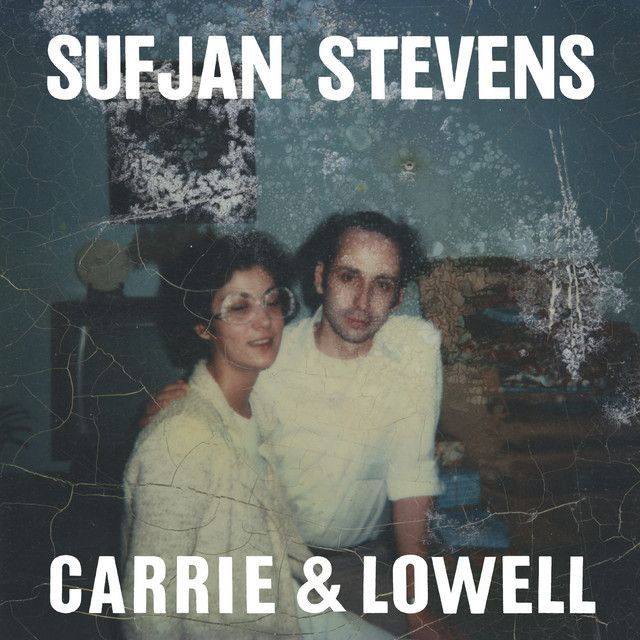
The Meaning of Fourth Of July Sufjan Stevens, Explained
They don’t need to know the whole backstory to feel this one: a dim hospital room, a whisper of endearment, and a final truth that refuses poetry. Sufjan Stevens’ Fourth of July, from Carrie & Lowell (2015), compresses grief into a lullaby that stares right at the end.
"Fourth of July" - Sufjan Stevens
It was night when you died, my firefly
What could I have said to raise you from the dead?
Loading lyrics...
Unable to load lyrics
We're unable to display the lyrics at this time. Please try again later.
It was night when you died, my firefly Oh, could I be the sky on the Fourth of July?
That image sets the tone. He reaches for light and spectacle as a way to cradle loss.
Why This Whisper Cuts Deep
At its core, the meaning of Fourth Of July Sufjan Stevens is a bedside dialogue with his dying mother, Carrie. The song weighs regret and tenderness in equal measure. Instead of anger, the narrator answers with pet names and small mercies, softening the room even as the truth grows louder.
Interpretation: The track presents acceptance without denial. It suggests that love can’t undo death, but it can make the moment more humane.

Watch the official Fourth of July
music video
Who’s Speaking in the Room of Goodbye
The narrator is first person, addressing a “you” who is fading. A phrase like the halo at your head
places them in a medical setting, likely under a ring of monitors or light. He leans on diminutives—my little hawk
, my little Versailles
—as if turning a frightening scene into a private game between parent and child.
These nicknames do double duty. They show affection while hinting at complexity: Versailles evokes beauty and façade, implying grandeur that can also be a mask.
A Night Told in Brief Scenes
The song unfolds as snapshots rather than a plot:
- A bedside vigil and the practical absurdities of death—he’s asked about preparing the body.
- A flash of self-reproach and apology for leaving, paired with the aching question
Did you get enough love?
- A look at the moon together, as if time briefly pauses.
- A turn toward Oregon memory and the Tillamook Burn, where natural catastrophe becomes family metaphor.
Each scene circles the same gravity: connection sought at the edge of parting.
The Refrain That Faces the Inevitable
When Stevens repeats We’re all gonna die
, it isn’t nihilism. It’s permission to stop pretending. The refrain strips away narrative and leaves the shared human fact. Interpretation: By saying the quiet part out loud, he makes space for gentleness—care can be honest and still be kind.
Symbols: Fireworks, Fireflies, Birds, and Light
Fourth of July usually means celebration. Here, fireworks become an image of brief radiance—the sky lights up, then goes dark. The smaller companion is the firefly: a humble signal in the night, echoed in the endearment my firefly
. Birds like the hawk and dove suggest vigilance and peace, while my dragonfly
points to fragile beauty that doesn’t stay.
Light versus darkness runs through the lyric. He urges life while it is bright, then accepts dimming. Even the hospital’s “halo” is a ring of light that can’t hold someone to earth.
How the Sound Holds the Story
Musically, Fourth of July is nearly bare: close-miked piano, soft voice, faint ambience, and understated harmonies. The minimalism mirrors the setting—no drums, no theatrics, only breath and room tone. As the refrain returns, vocals subtly stack and the reverb blooms, widening the space as if the room opens onto the night sky.
Facts: Carrie & Lowell was released March 31, 2015 and produced by Sufjan Stevens. The album marks a return to intimate, acoustic textures after his more ornate projects, matching the song’s vulnerable mood.
Oregon Memory and the Tillamook Burn
The Tillamook Burn was a series of devastating Oregon forest fires across the mid-20th century. In the song, that history becomes metaphor: a landscape once scorched that later regrew. Interpretation: He’s asking what they learned from catastrophe—how to live with damage, and whether love can take root in the ash of family life.
Faith, Doubt, and a Human-Scaled Goodbye
Stevens’ work often mingles spiritual language with ordinary detail. Here, he reaches for transcendence but stays with the body, the moon, and the bedside. Interpretation: The song leaves room for faith and for secular clarity; either way, the answer is compassion in the face of limits.
Takeaway: A Soft Answer to a Hard Truth
Fourth of July turns a personal loss into a shared ritual. It doesn’t promise rescue. It promises presence, honesty, and a final blessing in plain speech. That’s why the last line feels less like doom and more like care: the truth, spoken gently, so they don’t have to face it alone.
Disclaimer: Interpretations are subjective; listeners may hear different nuances based on their own experiences and contexts.
Sources
- https://americansongwriter.com/the-meaning-of-fourth-of-july-by-sufjan-stevens
- https://asthmatickitty.com/sufjan-stevens-announces-new-album-carrie-and-lowell/
- https://pitchfork.com/news/58056-sufjan-stevens-announces-new-album-carrie-and-lowell/
- https://www.theguardian.com/music/2015/mar/01/sufjan-stevens-interview-carrie-and-lowell









