Why Sufjan’s Cross Offers No Comfort
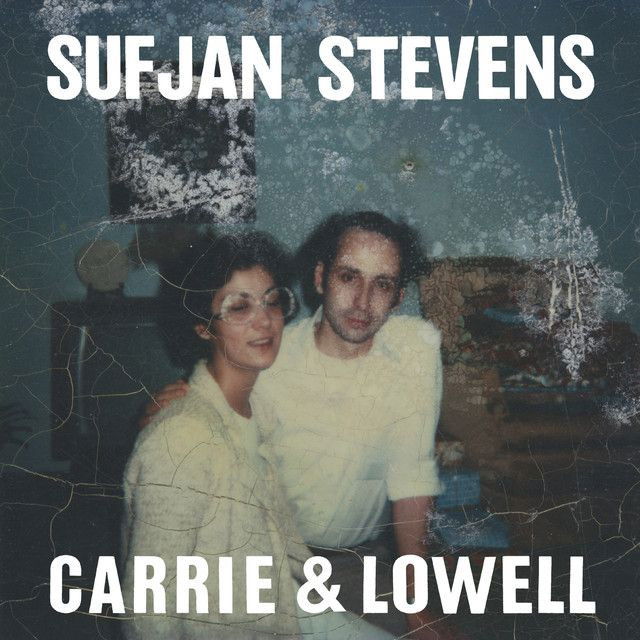
The meaning of No Shade In The Shadow Of The Cross Sufjan Stevens comes into focus when the song is heard as a confession without protection. Released in 2015 as the lead single from Carrie & Lowell, the track marked a quiet turn back to intimate folk writing after the bigger sounds of earlier work. It is the tenth track on the album and was issued digitally on February 16, 2015, with Sufjan Stevens credited as the songwriter.
"No Shade In The Shadow Of The Cross" - Sufjan Stevens
My only lover, give out to give in
I search for the capsule I lost
Loading lyrics...
Unable to load lyrics
We're unable to display the lyrics at this time. Please try again later.
More important than the facts is the feeling. This song sounds like someone caught between faith and collapse, trying to speak honestly before the moment passes.
A Prayer That Doesn’t Bring Relief
On the surface, the title points to religion. But the song does not use the cross as an easy symbol of hope. Instead, it suggests a painful idea: even in the presence of something holy, there may be no comfort, no shelter, no cool shade.
That is why the refrain lands so hard. When Stevens sings no shade
and later shadow of the cross
, the image feels stripped of safety. Interpretation: the song may be saying that faith is still there, but it no longer protects the speaker from grief, guilt, or self-harm.
This is one reason the track has been read as deeply personal rather than doctrinal. Critics linked it to the emotional world of Carrie & Lowell, an album widely understood as shaped by family pain and mourning.

Watch the official No Shade In The Shadow Of The Cross
music video
The Speaker Sounds Cornered
The lyrics move in flashes rather than a clean story. They jump from intimacy to addiction imagery, from desire to punishment, from memory to bodily harm. That fragmented style matters because it mirrors a mind under pressure.
Early on, the speaker falls into another person’s arms and then searches for a lost capsule
. That shift is abrupt and revealing. Comfort and chemical escape sit side by side.
Later, the song turns harsher with images like drive that stake
and center of my heart
. These are dramatic phrases, but they do not feel theatrical in context. They sound like a person describing emotional ruin through violent symbols.
A Short Map of the Song’s Emotional Arc
- They reach for closeness.
- They hint at dependency or numbing.
- They connect sex, shame, and loneliness.
- They arrive at a religious image that offers no rest.
That is why the song feels so devastating in only 2:40. It does not resolve the pain. It just names it.
Symbols That Keep Bleeding Into Each Other
One striking feature of the writing is how often images blend. Love sounds like surrender. Desire sounds like self-erasure. Religion sounds like exposure. Even the supernatural image lonely vampire
suggests a being that survives by hunger but cannot really live.
There is also a pattern of pursuit and damage. The line about chasing the dragon
is commonly associated with addictive craving. Interpretation: whether Stevens means literal drug use or a wider cycle of compulsion, the phrase points to wanting something that can only wound the seeker.
The final image of blood, a blade, and collapse pushes the song to its bleakest point. Then the title phrase returns and reframes everything. The song’s crisis is not only emotional or physical. It is spiritual too.
There’s blood on that blade
There’s no shade
in the shadow of the cross
In paraphrase, the ending joins violence, vulnerability, and failed refuge. The sacred symbol remains, but its comfort has vanished.
Why the Recording Feels So Intimate
The production is a huge part of the song’s meaning. Reviews at the time emphasized that the recording is built from just a few elements: close vocal, finger-picked acoustic guitar, and a low bed of room noise. Pitchfork noted that the hiss-like sound was actually an air-conditioner fan, not a fake studio effect, and heard that detail as central to the song’s intimacy.
That detail matters because it makes the performance feel unguarded. Instead of polishing the room out of the track, Stevens leaves life inside it. Pitchfork also quoted Stevens describing this creative stance in a brief, famous line: “This is not my art project; this is my life.”
That statement helps explain the whole mood. The song does not sound composed from a distance. It sounds lived in.
Sound and Meaning Working Together
The arrangement supports the lyric in three clear ways:
- Whisper-close singing makes the confession feel private.
- Finger-picked guitar keeps the song fragile and exposed.
- Audible ambient noise turns the room itself into part of the emotion.
For many listeners, that bare sound is what makes the song so powerful. It feels like they are hearing someone hold themselves together for less than three minutes.
A Key Shift in Sufjan Stevens’ Career
The song was also significant because it signaled a move away from the maximal, high-concept style often associated with The Age of Adz. Critics described it as a return to old-fashioned songwriting, but that does not mean it is simple. Its simplicity is what gives the imagery room to ache.
In that sense, the meaning of No Shade In The Shadow Of The Cross Sufjan Stevens is not hidden behind a puzzle. The song is direct about pain, even when its images are abstract. It presents a person who still speaks the language of faith but cannot find peace inside it.
The Lasting Meaning of the Song
The best way to understand the track is as a portrait of crisis where spiritual symbols, bodily desire, and self-destructive urges all collide. Interpretation: it may not reject faith outright; instead, it shows what belief feels like when grief has made comfort impossible.
That tension is why the song lasts. It is not only sad. It is honest about how sacred language can remain even when consolation disappears.
Disclaimer: This interpretation is based on the lyrics, recording, and publicly discussed context. As with most songs, listeners may hear different meanings in the same images.









