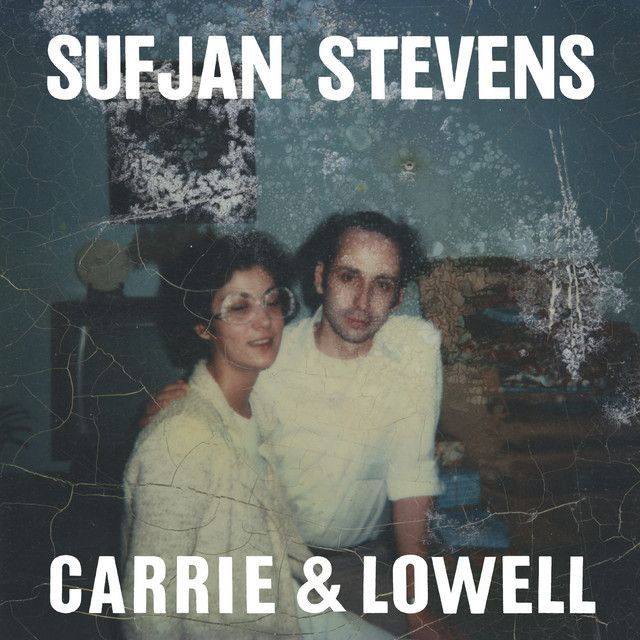
Should have Known Better by Sufjan Stevens
Why This Song Hurts, Then Heals
The meaning of Should have Known Better Sufjan Stevens starts with regret, but it does not stay there. The song moves through grief, childhood memory, depression, and finally a small but powerful return to life. It is one of the emotional centers of Carrie & Lowell, the 2015 album Stevens made around family history and the death of his mother, Carrie, as noted in coverage of the album by Pitchfork and NPR.
"Should have Known Better" - Sufjan Stevens
To see what I could see
My black shroud
Loading lyrics...
Unable to load lyrics
We're unable to display the lyrics at this time. Please try again later.
On the surface, the title sounds self-blaming. They seem to accuse themselves: they “should have” acted differently, felt differently, or understood earlier. But the song is more complex than simple guilt. It shows a person trying to face pain they once buried.

Watch the official Should have Known Better
music video
The Core Meaning: Grief Hidden Under Control
A key image is the repeated black shroud
. Before and after that phrase, the song suggests an emotional covering, something heavy pulled over the self. In plain terms, Stevens presents grief as both protection and prison. The speaker hides inside numbness, but that same numbness keeps healing away.
When they sing about not trusting feelings and waiting for a remedy, the idea is clear: this is someone who has learned to survive by pushing emotion down. Interpretation: the song argues that avoidance can feel safe in the short term, but over time it deepens loneliness.
That is why the repeated line about knowing better matters. It is not just about one mistake. It is about a lifelong pattern of emotional distance.
Childhood Memory at the Center
The most direct story arrives in the memory of being left at a video store at age three or four. Stevens has spoken publicly about his complicated relationship with his mother and the autobiographical nature of Carrie & Lowell in interviews around the album, including with The Guardian. That context helps explain why this childhood scene feels so central.
The memory is not described in a dramatic, detailed way. Instead, it lands with a child’s blunt clarity. The simplicity makes it worse. A young child is abandoned, confused, and left with an emotional gap that follows them into adulthood.
When I was three, three maybe four
She left us at that video store
That brief moment gives the rest of the song its emotional root. The adult voice is not only mourning a death. They are also revisiting an earlier wound: maternal absence.
From Self-Blame to Clear-Eyed Acceptance
Midway through, the song shifts. The line Nothing can be changed
sounds bleak at first, but in context it feels more like acceptance than surrender. Stevens stops arguing with the past. They admit that no amount of replaying memory will undo what happened.
This is an important turn in the meaning of Should have Known Better Sufjan Stevens. Earlier, the song circles regret: the unwritten letter, the hidden feelings, the “empty feeling.” Later, it begins to move toward attention. Instead of obsessing over what cannot be changed, the song urges presence.
The repeated instruction Don’t back down
captures that shift. Rather than running from memory, the speaker tells themselves to keep looking, keep enduring, and keep living.
How the Sound Carries the Message
The production helps tell this story. Carrie & Lowell is known for its hushed acoustic sound, close vocals, and sparse arrangements, as discussed by Rolling Stone. In this song, the quiet guitar-led opening feels intimate and fragile, almost like a private confession.
Then, late in the track, the arrangement opens up. The song becomes brighter and more rhythmic. That musical lift mirrors the emotional one. Stevens does not erase sadness; they place a new source of light beside it.
Interpretation: this sonic change suggests recovery is not a sudden cure. It is a moment when the body and mind can finally imagine motion again.
The Song’s Brightest Image
That new light arrives with the line about a niece: My brother had a daughter
. After so much focus on abandonment and despair, the mention of new family life changes the emotional weather of the song. The next key word is illumination
, and Stevens repeats it long enough for the listener to feel its weight.
This does not mean the earlier pain disappears. Instead, the song proposes that love can enter a life already marked by grief. A child in the next generation becomes proof that the family story is not only damage. It also includes tenderness, continuation, and beauty.
In that sense, the song’s final section is not naïve hope. It is earned hope.
Symbols That Tie It Together
Several images work together across the track:
- The shroud suggests depression, mourning, and emotional concealment.
- The bridge to nowhere points to stalled progress and the feeling of being stuck between past and future.
- Wind and lightness hint at release, especially when the song starts to open.
- Illumination stands for a fragile but real awakening.
These symbols keep the song from reading like a diary entry alone. They turn private pain into something wider and more poetic.
A Clear Reading of the Ending
The best way to read the ending is as a movement from inherited pain toward chosen attention. Stevens cannot repair childhood abandonment. They cannot change death. But they can decide what to do with the living world still around them.
That is what makes the song so moving. It begins in the language of failure and ends in the language of witness. They notice beauty again, however briefly.
Why the Song Still Resonates
Listeners often connect to this song because it understands how grief really works. It is not tidy. It mixes memory, shame, numbness, and sudden gratitude. The meaning of Should have Known Better Sufjan Stevens is ultimately about learning that survival is not the same as healing, and that healing may begin with simply staying present long enough to see light return.
Disclaimer: This interpretation is based on the lyrics, recording, and publicly discussed album context. As with all songs, meaning can vary from listener to listener.
Sources
- https://pitchfork.com/reviews/albums/20218-sufjan-stevens-carrie-lowell/
- https://www.npr.org/2015/03/26/394960993/first-listen-sufjan-stevens-carrie-lowell
- https://www.theguardian.com/music/2015/mar/27/sufjan-stevens-carrie-and-lowell-interview
- https://www.rollingstone.com/music/music-album-reviews/carrie-lowell-205111/








