Why Sufjan Stevens Refuses the Script on Video Game
The meaning of Video Game Sufjan Stevens starts with a refusal. This is not a song about fun, escape, or gaming culture in any simple sense. Instead, they use the idea of a “video game” as a metaphor for public performance, ambition, image, and the roles people are pushed to play for approval.
"Video Game" - Sufjan Stevens
I don't wanna live inside of that flame
In a way I wanna be my own believer
Loading lyrics...
Unable to load lyrics
We're unable to display the lyrics at this time. Please try again later.
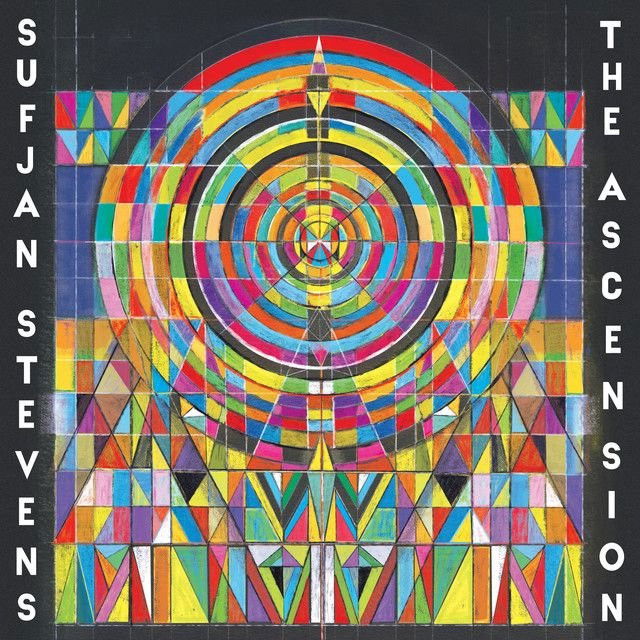
Released in 2020 as a single from The Ascension, the song arrived during a period when Stevens was looking outward as much as inward. Coverage around the release described it as a glossy synth-pop track with a strong critique of fame, status, and social pressure. That tension matters: the song sounds inviting, but its message is resistant.
The Heart of the Song Is a Firm No
At its core, the track is about rejecting false importance. The speaker refuses to become someone else’s savior, mascot, hero, or symbol. Early lines make that clear with phrases like personal Jesus
and center of the universe
. Those images are extreme on purpose. They show how praise can become a trap.
The repeated line I don't wanna play
is the song’s thesis. They are not just avoiding a literal game. They are stepping away from systems that reward ego, image-building, and obedience. In plain terms, the song says: they do not want to perform a version of success that feels hollow.
Interpretation: This refusal can also be heard as a defense of spiritual and emotional independence. When the speaker says they want to be their own believer and redeemer, the song shifts from protest into self-definition.

Watch the official Video Game
music video
Who Is the Song Talking To?
The “you” in “Video Game” stays broad, which gives the song power. It could be a lover, an audience, a culture, the music industry, or even society at large. That ambiguity lets the message travel.
Some lines sound personal, especially when the speaker says love is not worth giving if it will not be received. Other lines sound social and political, especially when they criticize what a résumé values. Pitchfork called the song a kind of “refusenik idealism,” which fits: Stevens rejects roles that look successful on paper but feel empty in practice.
How the Verses Build the Argument
Each verse adds a new kind of pressure. One set of lines rejects religious and heroic roles. Another rejects popularity and trend-following. Another pushes back on transactional love and moral posturing. By the end, the song has mapped out a whole culture of performance.
A useful way to read the progression is this:
- They reject being worshipped.
- They reject being used by public opinion.
- They reject careerist ambition.
- They reject moral theater dressed up as goodness.
That is why the title works so well. A game has rules, winners, losers, and constant scoring. Stevens frames modern identity in similar terms: people are assigned parts, judged, ranked, and told to keep playing.
The Chorus Turns Resistance Into Emotion
The chorus is simple, but it does a lot of work. It takes the song from argument to exhaustion. The repeated refusal feels less like a debate and more like a boundary.
I don't wanna playI just wanna go away
Those short lines reveal the cost of constant performance. Beneath the resistance is fatigue. They are not only refusing the system; they are tired of what it asks of them.
That emotional layer keeps the song from sounding smug. The speaker is not acting superior. They sound worn down, maybe even overwhelmed, by a culture that turns everything into spectacle.
Symbols That Matter More Than They First Seem
Several references sharpen the song’s meaning. Julius Caesar
brings in power, ego, and the danger of public myth. The line about a puppet in a theater points to manipulation and artificial identity. Even the phrase video game
suggests unreality, scripted movement, and reward systems that flatten real life.
There is also a moral theme running through the song. The speaker refuses to put devils on pedestals or saints in chains. In other words, they reject extreme thinking, hero worship, and easy categories. People are more complicated than that.
Interpretation: One reading is that Stevens is criticizing celebrity culture. Another is that they are criticizing any social system that confuses visibility with worth. The lyrics support both views.
Why the Sound Feels So Bright
One reason “Video Game” lands so well is its contrast between sound and message. Reviews noted its midtempo synth-pop style and soft-rock sheen, and that polished surface matters. The arrangement is warm, catchy, and easy to move to, even as the lyrics refuse public performance.
That contrast creates irony. A song about not joining the spectacle arrives in a sleek, accessible package. Instead of weakening the point, that makes it sharper. It shows how resistance can exist inside pop itself.
The music video deepens that idea. As noted by Pitchfork, the visual uses pop-dance imagery while critiquing the same entertainment systems it borrows from. That kind of self-aware repurposing mirrors the song’s message: they enter the machine just long enough to expose it.
Artist Context Helps Explain the Message
“Video Game” appeared ahead of The Ascension, an album widely understood as one of Stevens’ biggest statements on faith, alienation, and modern life. Across that era, they often sounded concerned with what happens when belief collapses into branding, politics, or self-display.
That context makes this song feel less like a one-off complaint and more like part of a larger artistic question: how can a person live honestly in a culture built on performance?
What “Video Game” Ultimately Means
The best way to understand the meaning of Video Game Sufjan Stevens is this: it is a bright, catchy song about refusing roles that erase the self. They reject worship, ambition, public scoring, and empty popularity in favor of a harder kind of freedom.
The song does not promise a perfect alternative. It only draws a line and says no. That may be why it feels so powerful. In a world that keeps demanding performance, Stevens makes withdrawal sound like an act of integrity.
Disclaimer: This interpretation is based on the song’s lyrics, publicly available release context, and critical reception. As with any art, listeners may hear different meanings.







