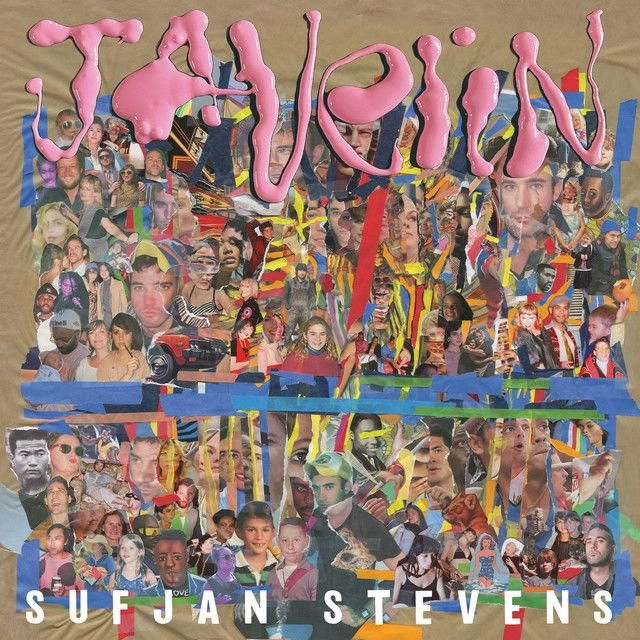
Will Anybody Ever Love Me? by Sufjan Stevens
They ask a question that almost everyone wonders at some point: Will love last when life gets hard? This piece explores the meaning of Will Anybody Ever Love Me? Sufjan Stevens by tracing how ritual images, a glowing arrangement, and a stark chorus turn private doubt into a communal prayer.
"Will Anybody Ever Love Me?" - Sufjan Stevens
Run me over, throw me over, cast me out
Find a river running to the west wind
Loading lyrics...
Unable to load lyrics
We're unable to display the lyrics at this time. Please try again later.
A plea for devotion, not just affection
At its core, the narrator wants love that isn’t contingent on performance or novelty. Short images like chase away my heart
read as attempts to banish shame. The request isn’t for adoration; it’s for loyalty without cruelty.
Interpretation: The song seeks proof that tenderness can survive failure, time, and self-reckoning. That’s why it contrasts extreme self-offering with the simple hope of being held without conditions.
A voice alone, answered by many
The perspective is first person, intimate and exposed. Yet the arrangement gradually surrounds that voice with harmonies, suggesting community answering solitary fear. The repeated phrase my burning heart
turns private pain into a shared refrain—something others can sing with, not just witness.
Interpretation: They are speaking to a lover, but the addressee could be broader—a circle of friends, the listener, or even a higher power. The openness is the point: any love that abides may qualify.
A journey told in ritual images
Across the verses, Stevens leans on ceremonial language. They imagine a tiny wooden raft
, the pull of a river, and being tied to a final wooden stake
. Fire and water alternate—purify, destroy, and renew. These aren’t literal instructions; they’re dramatic ways of asking, “What if I gave everything—would love stay?”
The refrain answers that theatrical self-offering with a modest request for faithfulness, captured in the vow-like line pledge allegiance to my heart
.
What the chorus says—plain and brave
Before and after the verses’ heavy imagery, the hook strips down the ask.
Will anybody ever love me? For good reasons, without grievance, not for sport
They’re not looking for a thrill or a power game; they want enduring care. The directness makes the surrounding metaphors feel earned.
Symbols that carry the weight
- Water (rivers, washing): cleansing, rebirth, and surrender to forces larger than the self.
- Fire (
burn my body
, afterglow): exposure, trial by ordeal, and the hope that heat leaves a purer core. - Wood (raft, stake): fragile vehicles and mortal limits—how we travel and where we end.
- Seasons and vows: time’s passage and the resolve to love through it.
Interpretation: Together, these symbols stage a self-imposed test. If love survives the fire and the flood, it’s real.
How the sound holds the question
Musically, the track returns to Sufjan Stevens’ intimate folk palette on Javelin, built around a delicate stringed instrument introduction, gentle piano, and warm strings. A trio of backing voices layers in as the song unfolds, turning a single question into a choral appeal. Critics have noted the bright, expansive feel—arranged like carefully stacked kindling that catches late in the song.
That glow matters. Even as the lyrics picture ordeal, the harmonies lift the sentiment, suggesting love is possible. The production doesn’t wallow; it opens.
Where this fits in Stevens’ body of work
Listeners may hear echoes of earlier confessional work, where fragile stories meet careful orchestration. Here, he condenses that approach into a compact devotional. The blend of homey strings and soaring voices feels like a bridge between hushed folk and baroque pop—intimate but radiant.
Context: Javelin arrived in 2023, widely described as a return to singer-songwriter form with layered vocals and hand-built arrangements. On this single, that craft sharpens the question into something universal.
Alternate readings that also ring true
- Interpretation: A spiritual petition. Words like vow, anoint, and washing evoke liturgy. The speaker might be seeking divine love that forgives and transforms.
- Interpretation: A recovery letter. The “ordeal” images can mirror healing—surrender, cleansing, and recommitment after burnout or grief.
Both readings coexist with the romantic one, which keeps the song resonant for different listeners.
What lingers after the last note
What endures is the courage to ask for what we need. The chorus is plain language for a complex hope: love that doesn’t keep score. By the time they repeat my burning heart
, the question feels less lonely and more like a vow answered in harmony.
Disclaimer: This analysis offers informed interpretation based on lyrics, public context, and production. The artist’s intent may differ, and listeners may find their own meanings.








