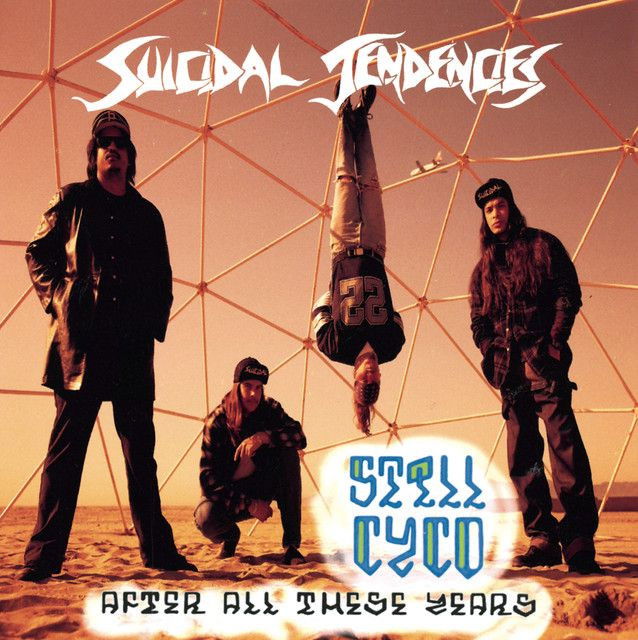
Why 'Suicidal Failure' Hits So Hard
The Core of the Song’s Message
The meaning of Suicidal Failure Suicidal Tendencies starts with a voice in total collapse. The speaker does not describe a passing bad day. They sound trapped in a loop of despair, self-hatred, and emotional numbness.
"Suicidal Failure" - Suicidal Tendencies
I tried everything but I'll leave it up to you
I don't want to live, I don't know why
Loading lyrics...
Unable to load lyrics
We're unable to display the lyrics at this time. Please try again later.
What makes the song stand out is its ugly contradiction. The narrator says they don't want to live
, yet the chorus turns that pain into a cruel joke: they are a suicidal failure
. That phrase is not triumphant. It sounds humiliated, stuck, and angry at the self.
Interpretation: the song is less about romanticizing death than about exposing a mind at war with itself. The title and chorus use shock to show how self-destructive thoughts can become tangled with shame.
Watch the official Suicidal Failure
music video
A Hardcore Voice Built on Extremes
Suicidal Tendencies came out of the early 1980s Southern California hardcore scene, with Mike Muir as the band’s founder and primary songwriter. The group became known for blending punk aggression with later metal and thrash elements, a history widely documented in major band biographies and music references.
That context matters. Hardcore often uses exaggeration, speed, and confrontation to force uncomfortable feelings into the open. In that setting, a song like this is designed to hit fast and leave a bruise.
The lyric voice is first person, but that does not automatically make it literal autobiography. Interpretation: it can also be heard as a punk character study, where the “I” becomes a vessel for alienation that many listeners recognize.
How the Verses Build the Breakdown
The song’s opening leans on a twisted plea for forgiveness. That makes the speaker sound guilty before they even explain their pain. Then the lines move quickly into hopelessness, suggesting they have tried everything and found no reason to go on.
From there, the verses escalate. One key line, barely just 20
, matters because it places the speaker in early adulthood, a time when life is supposed to be opening up. Instead, they talk as if their life is already over.
The song then lists repeated failed attempts. Rather than giving the listener a clean narrative, it piles detail upon detail until the pattern feels obsessive. That repetition is the point. It shows fixation, not release.
Interpretation: these scenes can be read as literal within the song, but they also work as symbols of self-punishment. The speaker is not just trying to escape life; they seem to be attacking themselves for being unable to do even that.
Why the Chorus Feels So Disturbing
The chorus is where the song’s darkest irony lands. The speaker admits they have got to get some help
, but the line is surrounded by self-mockery. That makes it feel less like a calm request and more like an exhausted, bitter confession.
This tension is important because it reflects a real truth about suicidal thinking: it can involve both desire for escape and fear of acting on it. Public health sources define suicidal ideation as thoughts that range from not wanting to live to detailed planning, and they note that many people who have such thoughts do not make an attempt.
So the chorus does two things at once:
- It reveals the speaker’s crisis.
- It shows their paralysis.
- It turns pain into black humor.
That black humor is uncomfortable by design. In punk, sarcasm often exposes pain that plain speech cannot carry.
Sound as Meaning: Fast, Ugly, Claustrophobic
The music matters as much as the words. The song’s hardcore/metal attack gives the lyrics no soft landing. Fast tempo, shouted vocals, and sharp riffing make the narrator sound cornered rather than reflective.
There is little room for grace in the arrangement. The drums push forward with relentless force, while the guitars feel abrasive and tense. That sonic pressure mirrors the speaker’s mental pressure.
Interpretation: if the lyrics show a mind spiraling, the instrumentation recreates the sensation physically. The listener does not just hear despair; they feel the agitation, boredom, and rage underneath it.
A Song About More Than Shock
It would be easy to dismiss the track as pure provocation. But that misses why it has stuck with listeners. Beneath the shock, it speaks to alienation, especially young alienation.
The repeated word suicidal
starts to lose simple meaning and become a social label, almost like the speaker is tagging every part of life with emptiness. School, bars, honesty, boredom—everything feels poisoned.
That broadens the song’s meaning. It is not only about death. It is also about disconnection from ordinary life, from other people, and from the future.
In the United States, suicidal thoughts are not rare. Public health summaries note that millions of adults report serious suicidal thinking in a given year. That does not turn the song into a clinical statement, but it helps explain why its emotional core still resonates: it names a kind of internal struggle that many people recognize, even if the song expresses it in extreme form.
Final Take: Despair Turned Into Punk Theater
The meaning of Suicidal Failure Suicidal Tendencies lies in its collision of misery, sarcasm, and speed. The song paints a speaker who feels unable to live, unable to die, and unable to escape their own mind. Its power comes from that stalemate.
For some listeners, it is a raw portrait of suicidal ideation. For others, it is a hardcore exaggeration of boredom, shame, and youthful collapse. Both readings can coexist because the song is built on emotional extremity.
That may be why it still unsettles people. It does not offer healing or wisdom. It offers panic, humiliation, and a scream from inside a locked room.
Disclaimer: This article offers interpretation, not a definitive statement of author intent. If this song raises personal concerns about self-harm or suicide, immediate support is available in the U.S. by calling or texting 988.








