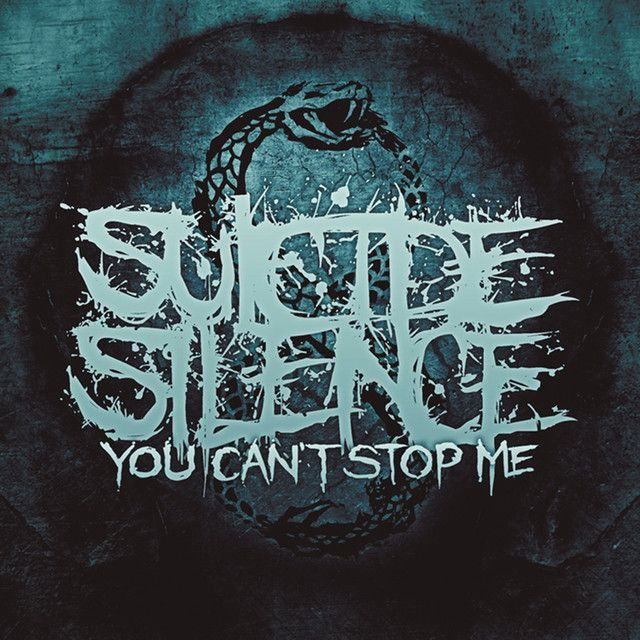
Why 'Inherit the Crown' Sounds Like a Vow
They don’t whisper it. Suicide Silence open with a promise that sounds like steel. In the wake of loss, they choose to step forward, not back. The track becomes a pledge to lead, and a message to a scene torn between grief and expectation.
"Inherit the Crown" - Suicide Silence
I'll wear the mask if I have to
I will inherit the crown
Loading lyrics...
Unable to load lyrics
We're unable to display the lyrics at this time. Please try again later.
I’ll wear the mask if I have to I will inherit the crown
A Vow Made After Loss
In 2012 the band lost original vocalist Mitch Lucker. Two years later, with Hernan “Eddie” Hermida on the mic, they returned determined. This song frames that return as duty and tribute. The crown is not glory; it’s weight.
Interpretation: The opening vow sets the theme—accept the role, carry the memory, and face the audience without flinching. They acknowledge a community knocked breathless, using the stark image of a public without their lungs
to capture shared shock. The line is less gore than metaphor: when a voice is gone, an entire scene loses its air.
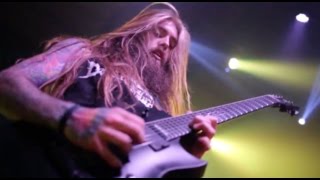
Watch the official Inherit the Crown
music video
The meaning of Inherit the Crown Suicide Silence
At its heart, the meaning of Inherit the Crown Suicide Silence is about responsibility after tragedy. The chorus vow answers a hard question—who will lead now?—by saying yes, even if that means adopting a persona, or “mask,” to protect the human underneath. The band turns private grief into public purpose.
They promise structure where things have fallen apart: new foundation
is not just support for fans, it’s scaffolding for themselves. And when they describe their core as stone and iron
, they aren’t bragging. They are explaining what leadership will require: stiffness against pressure, durability when criticized.
Who’s Speaking—and to Whom?
The voice is first person, but the addressee shifts. At times they speak to fans who feel abandoned; at others, to the memory of Mitch; often, to themselves, bracing for impact. Lines like sick and tired
acknowledge backlash and fatigue from being compared to the irreplaceable. Then they turn outward with a challenge: best friend or worst enemy
. Interpretation: they’re telling listeners the choice is mutual—support the rebuild, or stand in the way.
The song also hints at a continuing bond with the past: hand on my shoulder
suggests guidance that hasn’t faded. It’s not about replacing; it’s about carrying.
Symbols That Carry the Weight
- Mask: The performance armor. It’s the stage face needed to endure pressure and deliver night after night. Interpretation: a promise to show up, even when the person underneath is raw.
- Crown: Duty more than dominance. Taking the mic isn’t seizing power; it’s accepting obligation to the band, the catalog, and the audience.
- Foundation/Stone/Iron: Engineering language for stability. They’re building load-bearing support so the house—the band and community—doesn’t collapse again.
- Feast/Force (paraphrased): The singer becomes fuel for the crowd’s catharsis. Interpretation: fans will “feast” on the performance, and he consents to be consumed if it keeps the memory alive.
How the Music Sells the Promise
The arrangement is straight deathcore: down-tuned churn, percussive chugs, and rapid-fire drums drive the vow forward. The tempo and staccato riffing create a marching feel—more oath than elegy. Hermida swings between sustained growls and sharper barks, which mirrors the lyric stance: enduring pain, then snapping back with resolve.
Production keeps guitars thick and centered while leaving room for vocal authority. The mix favors impact over ornament, as if to say the message itself is the hook. Interpretation: each breakdown lands like a period at the end of a pledge—no hedging, no apologies.
Alternate Readings and What They Miss
- Genre Manifesto: Some hear it as the band defending deathcore’s place. That reading fits the defiance but underplays the personal grief that shapes the tone.
- Pure Self-Empowerment: Others treat it as a generic “take the throne” anthem. The imagery can support that, yet the recurring nods to absence and presence complicate simple triumph.
A better synthesis: it’s both. The personal vow fuels the public stance. By accepting the role, they protect the memory—and the scene that memory helped build.
Takeaway
This is leadership under fire. The band says they will absorb scrutiny, serve the crowd, and honor the friend they lost. The crown is heavy, the mask is necessary, and the foundation must hold.
Disclaimer: Song interpretations are subjective. This analysis reflects one informed reading based on lyrics, context, and sound; your own take may differ.