Why 'Lift Up Your Voices' Feels Like a Shared Prayer
The meaning of Lift Up Your Voices Sunday Service Choir starts with a direct idea: gratitude should not stay quiet. The song is not built like a complex narrative. Instead, it works like a live worship moment, asking a community to remember God’s goodness and answer with sound, movement, and praise.
"Lift Up Your Voices" - Sunday Service Choir
For all the things that He has done
All for it, all to Him, He is the morning sun
Loading lyrics...
Unable to load lyrics
We're unable to display the lyrics at this time. Please try again later.
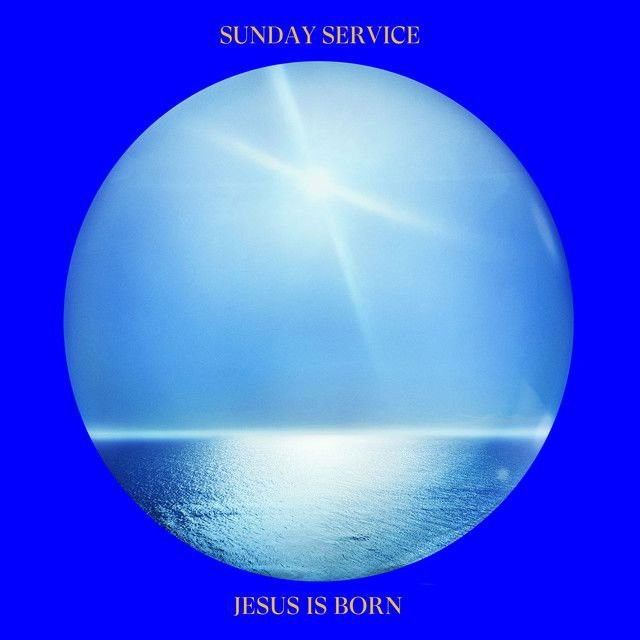
Sunday Service Choir released the song on Jesus Is Born, their debut album, which arrived on Christmas Day 2019. According to publicly available discography information, the choir emerged from Kanye West’s Sunday Service performances and was led in performance by choir director Jason White. The album also reached No. 2 on Billboard’s Top Gospel Albums chart, while Lift Up Your Voices
charted on U.S. Gospel listings. Those facts help explain why the track feels both devotional and public-facing: it was made for worship, but also for a large audience.
A Song About Praise as Action
At its core, the song says that faith should be expressed out loud. The opening call to lift up Your voices now
is not just poetic language. It is an instruction. The choir frames praise as something physical and communal, not only inward.
That matters because the lyrics keep returning to the reason for praise: God’s care, provision, and protection. When they repeat for all the things
and then expand that thought with spoken encouragement, the song shifts from a general church anthem into a testimony song. It invites listeners to count everyday mercies, from waking up in the morning to having strength for the day.
Interpretation: The song’s meaning is not about one dramatic miracle. It is about ordinary grace made visible through repetition.
Watch the official Lift Up Your Voices
music video
How the Lyrics Build a Community Voice
One striking feature is the use of group language. The singers do not center one person’s private story. They keep saying we lift our voices
and we worship
, making the song feel collective from start to finish.
That choice changes the emotional effect. In many worship songs, a solo voice confesses belief. Here, the choir sounds like a congregation already gathered. Even the spoken lines push participation, telling people to sing wherever they are. The result is a track that blurs the line between performance and service.
We worship, we praise You
Adore You, we love You
This short refrain captures the song’s structure. It moves from reverence to affection. First comes worship, then praise, then adoration, then love. The order suggests that gratitude grows deeper the longer the community sings.
The Key Image: Light After Darkness
The song uses only a little imagery, but one phrase stands out: He is the morning sun
. That line gives the praise language a visual center. Morning sun suggests warmth, renewal, clarity, and a fresh start.
Interpretation: In this context, the image likely points to God as the one who ends fear and brings daily hope. The phrase is simple, but it fits gospel music’s long tradition of linking faith with light and new beginnings.
Because the rest of the lyric is so direct, this image becomes more powerful. It briefly lifts the song out of plain statements and gives listeners a picture they can feel.
Why Repetition Is the Whole Point
Some listeners may notice that the song says the same few ideas many times. That is not a flaw. In gospel and praise music, repetition often deepens meaning rather than reducing it.
Here, each repeated line works like a spiritual emphasis marker. The more the choir repeats thanks, love, and worship, the more those words feel embodied. Repetition also leaves room for improvisation, exhortation, and response, which are central to Black gospel traditions.
The spoken interjections matter too. They name God as protector, healer, and deliverer. These lines expand the meaning without changing the core message. Praise is not random emotion; it is a response to remembered help.
How the Sound Carries the Message
Production and arrangement do a lot of interpretive work here. The song is driven by choral layering, call-and-response exchanges, hand-raising cues, and a live-service energy. Rather than aiming for tight pop minimalism, it leans into fullness and momentum.
That sound fits Sunday Service Choir’s larger identity. The group grew out of weekly gospel-centered performances in 2019 before releasing Jesus Is Born. Their style often blends polished recording with the feeling of a live worship event. On this track, that approach makes the listener feel invited rather than simply addressed.
The music also rises in waves. Softer affirmations build into stronger declarations, and individual prompts feed back into the group chorus. That structure mirrors the song’s meaning: praise begins with memory, then grows into collective release.
Artist Context Helps Explain the Song
Knowing the choir’s background adds useful context. Sunday Service Choir developed from a performance series that reworked songs through gospel arrangements before becoming a recording act. On Jesus Is Born, they leaned more fully into choir-driven worship music.
That helps explain why “Lift Up Your Voices” feels so rooted in church language. Writers Andrew Fitzgerald Swanson, Sia Furler, and Thomas Wesley Pentz bring contemporary songwriting credits, but the finished track is shaped to sound like a congregation in motion, not a radio single chasing cleverness.
The Lasting Meaning of the Song
So what is the meaning of Lift Up Your Voices Sunday Service Choir? It is a reminder that gratitude becomes stronger when it is shared. The song teaches that praise is not only a feeling; it is something people do together, with voice, body, and memory.
Its message stays powerful because it is so plain: remember the good, speak thanks aloud, and let worship become communal joy. That simplicity is the song’s strength.
Disclaimer: This interpretation is based on the lyrics, performance style, and available release context. Meaning can vary depending on each listener’s faith background and personal experience.









