
Why Super Cat’s Dark Warning Still Hits
The meaning of Nuff Man a Dead Super Cat starts with a simple idea: this is a song about grief turning into fear. Super Cat is not only mourning people who are gone. They are also describing what it feels like to live as if danger could arrive at any moment.
"Nuff Man a Dead" - Super Cat
Singer and DJ friends who drop out
Some guy knock mi window
Loading lyrics...
Unable to load lyrics
We're unable to display the lyrics at this time. Please try again later.
That is why the song feels so tense. It remembers dead artists, questions the violence around them, and turns personal anxiety into a wider statement about dancehall life.
A Roll Call of Loss, Not Just a Threat Song
At first glance, the record can sound like a hard-edged warning track. There are references to guns, self-defense, and not trusting who is at the door. But the deeper focus is sorrow. The repeated line nuff man a dead
is less brag than lament.
Super Cat names several reggae and dancehall figures, including Bob Marley, Jacob Miller, and Tenor Saw. Those references matter because they frame the song as public mourning, not private paranoia. In factual terms, Marley died in 1981, Miller in 1980, and Tenor Saw in 1988, losses that shaped reggae history and are widely documented by sources such as the Rock & Roll Hall of Fame and major obituaries from outlets like The New York Times.
Interpretation: by listing names, they make the song sound like a funeral chant for a whole community. Fame does not protect these men. If anything, the song suggests it may place them closer to danger.
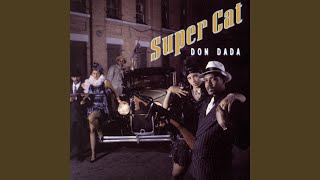
Watch the official Nuff Man a Dead
music video
The Door, the Gun, and the Mindset
One of the strongest ideas in the song is distrust. Super Cat keeps returning to the image of someone knocking, then answers that image with panic and readiness for violence. When they say knocking at my door
, the phrase is about more than a visitor. It becomes a symbol of constant threat.
That fear is intensified by the detail about sleeping armed. The point is not just toughness. It shows how the speaker’s daily life has changed. Home is no longer safe, sleep is no longer restful, and other people are no longer easy to trust.
I'm not sure anymore
Who is knocking at my door
This short refrain captures the whole emotional center of the song. Before the violence, there may have been community and familiarity. Now there is suspicion.
A Dancehall Elegy With Street-Level Detail
The song’s power comes from how it mixes memorial language with street realism. There are spiritual references, including Jesus and crucifixion, alongside blunt images of shootings and retaliation. That blend is common in reggae and dancehall, where biblical language often sits next to reports from daily life.
Here, the contrast matters. The sacred language raises the moral stakes. Violence is not treated as normal, even if it feels constant. When the song brings up Christ being crucify
, it connects present-day suffering to a larger history of injustice and sacrifice.
Interpretation: Super Cat seems to be asking how a society can claim faith while continuing to destroy its own people. That question gives the song more weight than a standard clash tune.
How the Sound Carries the Fear
The production helps explain the meaning of Nuff Man a Dead as much as the lyrics do. Super Cat emerged as one of dancehall’s major voices in the late 1980s and early 1990s, a period when Jamaican music increasingly favored digital rhythms, sparse arrangements, and forceful deejay delivery, a shift often discussed in histories of the genre like those from the BBC.
In this song, the beat feels lean and repetitive. That matters. A crowded arrangement might have softened the message, but the stripped-down groove leaves room for dread. Their voice pushes hard against the rhythm, almost as if each repeated phrase is trying to convince both the listener and the speaker that survival is still possible.
The repetition of nuff man a die
works like a tolling bell. Each return to the hook deepens the feeling that the losses are ongoing, not finished.
What the Song Says About Stardom
Another key part of the meaning of Nuff Man a Dead Super Cat is its view of celebrity. The track asks why people keep killing off “superstars,” which is one of its clearest social points. These are not anonymous deaths in the song’s world. They are visible, community-shaping deaths.
That matters because reggae and dancehall stars often represented more than entertainment. They carried neighborhoods, sound systems, beliefs, and rivalries with them. When one dies, a whole cultural network feels the shock.
Interpretation: the song may also be self-protective. By saying others have fallen and warning that they may be targeted too, Super Cat places themselves inside the same dangerous pattern. The song becomes both witness statement and survival speech.
Why It Still Lands Today
What keeps this track powerful is its honesty. It does not pretend violence is distant. It shows how repeated loss changes the nervous system of a community. Grief becomes routine, and routine becomes fear.
For modern listeners in the United States, that emotional logic still feels familiar. Even without knowing every name in the song, they can hear the larger message: when death keeps visiting a scene, trust disappears first.
In the end, Nuff Man a Dead is not simply about who died. It is about what all that dying does to the living.
Disclaimer: This article offers an interpretation of the song based on the lyrics, artist context, and reggae/dancehall history. Meaning can remain open to different listeners.








