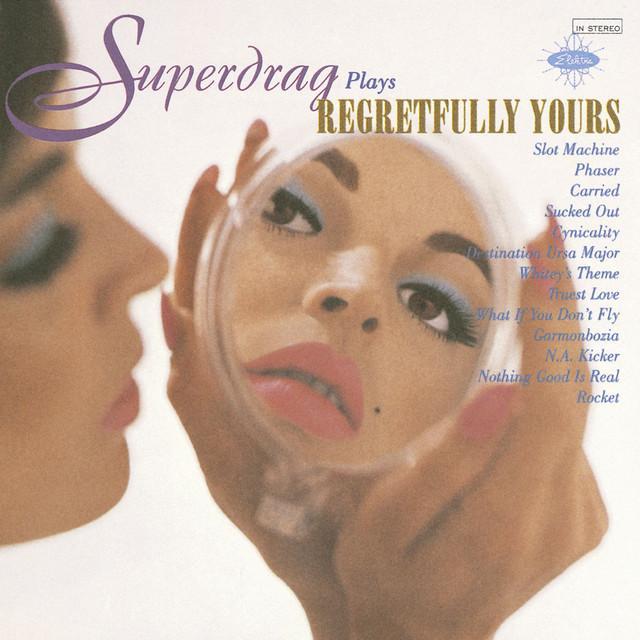
Sucked Out by Superdrag
Why This 90s Hit Still Feels So Sharp
The meaning of Sucked Out Superdrag comes down to a painful contradiction: the song is catchy, funny, and explosive, but its core message is bitter. They frame rock success as something exciting on the surface and draining underneath. Instead of celebrating fame, the song asks what happens when ambition turns into routine and the industry starts treating artists like products.
"Sucked Out" - Superdrag
If I never made a sound again?
In your eyes you've already spread my thighs
Loading lyrics...
Unable to load lyrics
We're unable to display the lyrics at this time. Please try again later.
Released in 1996 as the first single from Superdrag's debut album Regretfully Yours, the track reached No. 17 on Billboard's Modern Rock chart, according to Wikipedia's song entry. That success matters to its meaning, because the song sounds like a breakthrough while also warning about the cost of one.

Watch the official Sucked Out
music video
The Core Meaning Hiding Inside the Hook
At the center of the song is a simple emotional question: who drained the joy out of this dream? The repeated line Who sucked out the feeling?
is not just about burnout. It suggests theft. Someone, or some system, took the life out of music and left behind a mechanical version of it.
Interpretation: They seem to be singing about the music business as a machine that sells excitement while removing real feeling. The speaker can still perform, write, and chase success, but those actions no longer feel alive.
That idea is set up early. When the song hints at being used and quickly replaced by the next big thing
, it points to an industry that moves fast and values novelty over people. The lyric is blunt, even ugly, because the experience it describes is ugly too.
A Speaker Caught Between Ego and Disillusion
The narrator does not sound innocent. They sound self-aware, bruised, and a little sarcastic. In one key moment, the speaker admits, I can write a melody
, then undercuts that confidence with the fear that nobody may care. That swing between talent and doubt is one of the song's smartest moves.
It shows two truths at once:
- They know they have something real.
- They know talent alone does not protect anyone.
- They suspect the system decides who matters.
This makes the song more than a generic complaint. It is about emotional whiplash. One minute there is hope, the next there is emptiness.
Verse by Verse: How the Story Unfolds
The first verse introduces humiliation and objectification. The speaker feels looked at, sized up, and reduced to what they can provide. The sexualized language is not romantic; it is transactional. It turns industry attention into something invasive.
Then the song shifts into performance life. The phrase 45 minutes a side
suggests the repetitive structure of a set, a tour, or a packaged live act. What should have been a dream has become a job done on command.
This was my dream
played out rocking routine
That short moment may be the clearest summary in the song. The dream came true, but it arrived in a dead form. The problem is not that the speaker failed. The problem is that success itself feels hollow.
By the second verse, the mood gets lonelier. The line about doing a couple shows
suggests a brief taste of momentum, maybe even buzz, followed by absence. Someone has disappeared now that attention has shifted. That deepens the song's theme: in hype culture, support is often temporary.
How the Sound Reinforces the Message
Part of what makes “Sucked Out” memorable is how strongly the music fights against the sadness in the lyrics. The song is fast, bright, and hook-heavy, often described as alternative rock with strong power-pop DNA. That matters because the polished melody acts like a mask.
The guitars crash in with energy, the chorus lands hard, and the vocal delivery sounds half-sneer, half-shout. They make frustration feel fun for a moment. That tension is the point. The production turns disillusion into something radio-ready, which mirrors the song's message about art being packaged for consumption.
Factual context: “Sucked Out” was written by John Davis and produced by Tim O'Heir with Superdrag. Critics later praised its melody; Pitchfork called it “tight and tuneful” in a retrospective on 1990s one-hit wonders. That praise helps explain why the song lasted: it does not just complain about the machine, it creates a great pop song out of that complaint.
Artist Context Changes the Meaning
Context makes the song feel almost prophetic. Songfacts reports that “Sucked Out” was added after the album was largely finished, and that Elektra pushed it heavily once they heard it. The single became an MTV Buzz Clip and gave the band a real shot at mainstream success.
But that success also sharpened the song's irony. According to Songfacts, the label later wanted more radio-friendly material, while John Davis moved in a more adventurous direction on the next album. In hindsight, the track reads like a warning from inside the very breakthrough that made the band visible.
Interpretation: That does not mean every line is literal autobiography. But the later history makes the song's resentment feel more grounded, not less.
Final Take on the Meaning of Sucked Out Superdrag
The meaning of Sucked Out Superdrag is about losing the emotional center of a dream once outside pressure takes over. It captures the moment when making music stops feeling intimate and starts feeling processed, sold, and repeated.
What keeps the song alive is its double impact. They deliver a huge hook while questioning the system that rewards huge hooks. That makes “Sucked Out” both a great 90s alt-rock single and a sharp little critique of fame, hype, and creative burnout.
Disclaimer: This interpretation mixes documented context with informed reading of the lyrics. As with any song, listeners may hear meanings beyond the ones discussed here.








