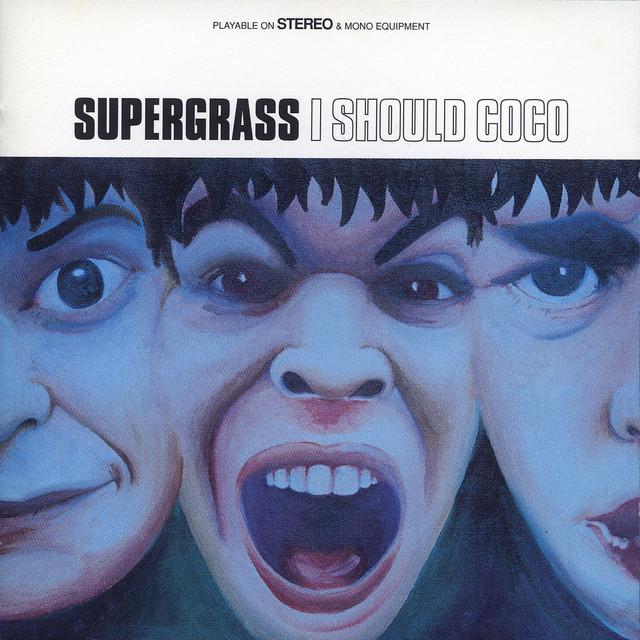
Mansize Rooster by Supergrass
A fast song about panic, pride, and wanting connection
The meaning of Mansize Rooster Supergrass starts with pressure. The song sounds playful and messy on the surface, but its words point to someone cornered by money problems, bruised pride, and emotional need. They sing to a person who cannot simply disappear, even if hiding feels easier.
"Mansize Rooster" - Supergrass
You got no money and you got no place to stay
Things are bad but there's always another way
Loading lyrics...
Unable to load lyrics
We're unable to display the lyrics at this time. Please try again later.
That mix of mockery and concern is the key. The narrator pushes, questions, and almost shakes this person awake. When the song asks why they look so lonely for love
, it is not just a joke. It suggests hunger for affection, approval, or rescue.
Released as the second single from Supergrass' debut album I Should Coco, the track reached No. 20 on the UK Singles Chart, according to Wikipedia's song entry. Those facts matter because they place the song in the band's early moment: young, loud, cheeky, and very good at hiding nervous feelings inside hooky rock songs.

Watch the official Mansize Rooster
music video
The speaker sounds blunt, but not heartless
The verses paint a person in trouble. They have no money, nowhere to stay, and no social dignity left to protect. The repeated warning to wait a minute
feels like an intervention. The narrator seems to say: stop running, stop hiding, face what is happening.
Interpretation: They are not only speaking to another person. They may also be speaking to a version of themselves. That would fit the song's unstable mood, where accusation and self-recognition blur together.
The line about never really seeing the speaker adds another layer. It hints at failed understanding. This troubled person may be too caught up in fear or self-pity to notice who is trying to reach them.
What do you wanna be now?
What do you wanna feel
What do you wanna see now?
This brief run of questions turns the song from a scolding into a crisis of identity. The problem is not only survival. It is confusion about desire, purpose, and self-image.
Why the chorus matters more than the title
The title "Mansize Rooster" is odd and comic, which is part of the band's style. But the title does not explain the song as much as the chorus does. The emotional center sits in the repeated questions: why are they acting wild, why are they desperate for love, and what do they actually want?
That chorus works because it sounds catchy enough to shout along with, while carrying a deeper unease. The person being addressed seems trapped between performance and need. They look so crazy
, but the song suggests that the chaos comes from loneliness, not from simple recklessness.
Interpretation: The title may be a wink at exaggerated masculinity. A "mansize" image suggests swagger, posing, or inflated confidence. Put next to lyrics about having no money, no place to stay, and craving love, the macho pose starts to look flimsy. The song may be puncturing fake toughness.
The song's themes connect line by line
Several themes run through the track:
- Escape versus confrontation: the person wants to run or hide, but the song keeps stopping them.
- Shame and social failure: references to money and saving face point to embarrassment.
- Loneliness and desire: the hook frames the emotional wound as being hungry for love.
- Identity confusion: the repeated questions ask what kind of person they want to become.
The phrase it's all gone wrong
sums up the mood. Life has tipped off balance, and the song captures the spinning feeling that follows. Still, the verses also insist there is another way
. That small note of possibility keeps the song from becoming hopeless.
How the music carries the message
Part of the meaning of Mansize Rooster Supergrass comes from the sound. The track is short, about two and a half minutes, and it moves with impatience. That speed matters. It mirrors the frantic state described in the lyrics, as if the band cannot stand still long enough to smooth anything out.
Recorded at Sawmills and produced by Sam Williams with the band, the single has the rough-edged brightness that helped define early Supergrass. The guitars hit hard, the drums push everything forward, and the vocal delivery sounds half-sneer, half-plea. Instead of a polished emotional confession, they give listeners a burst of youthful noise.
That production choice strengthens the meaning. A cleaner arrangement might have made the song seem reflective. This version feels immediate and twitchy. It sounds like someone talking too fast because they are upset, excited, or both.
Contemporary reviews picked up on that energy. Music & Media praised the band's whistle-along songwriting, while Smash Hits highlighted the "floor-stomping" force of the track. Those reactions fit the song well: it is memorable because it turns anxiety into a pop rush.
The video adds humor and gender play
The low-budget video, directed by Dom and Nic, leans into absurdity: bath scenes, visual jokes, mirrors, and a drag transformation. On one level, it matches the band's youthful chaos. On another, it supports the song's theme of identity as performance.
Interpretation: If the title hints at masculinity as costume, the video's silliness pushes that idea further. The band act out versions of themselves rather than presenting stable, serious rock-star cool. That makes the song feel less like a statement of macho power and more like a prank aimed at it.
Final takeaway on the song's meaning
In the end, the meaning of Mansize Rooster Supergrass is about a person in emotional and practical trouble, pushed to admit what they need. The song mocks false confidence, but it also recognizes pain underneath it. Its hooky questions ask what happens when pride collapses and loneliness shows through.
That tension is why the song still works. It is bratty, funny, and quick, yet it circles real fears about love, shame, and self-definition.
Disclaimer: This interpretation is based on the released lyrics, recording context, and public information. As with many songs, listeners may hear meanings that differ from the ones suggested here.







