Why 'Devil Gate Drive' Feels So Free
The meaning of Devil Gate Drive Suzi Quatro starts with a simple idea: teenagers are drawn to the very place adults warn them about. The song turns that impulse into a loud, funny, swaggering anthem. Rather than telling a sad cautionary tale, it celebrates youth as movement, noise, risk, and self-invention.
"Devil Gate Drive" - Suzi Quatro
Well, come on!
Welcome to 'The Dive'!
Loading lyrics...
Unable to load lyrics
We're unable to display the lyrics at this time. Please try again later.
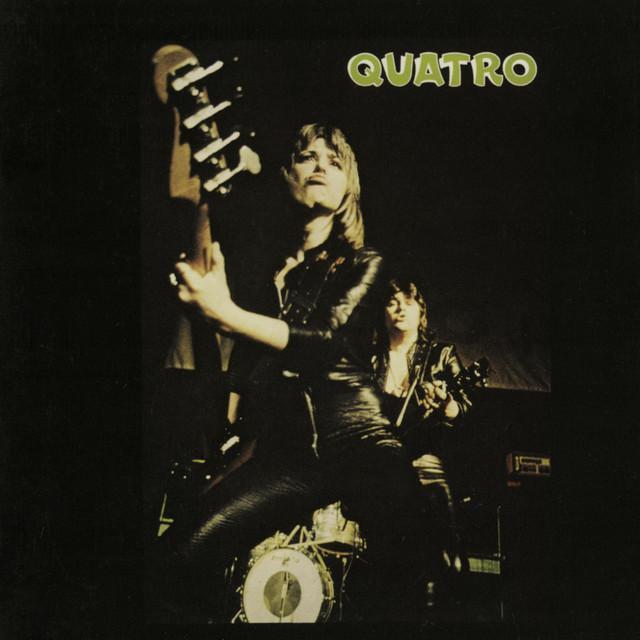
Released in 1974 on the album Quatro, the single became Suzi Quatro's second UK No. 1, according to Wikipedia. That success matters to its meaning. The song was not just about rebellion; it was also delivered by an artist whose image already fused toughness, leather-jacket cool, and pop-star confidence.
A Made-Up Street With a Real Emotional Pull
At the center of the song is a fictional location, Devil Gate Drive. It is less a real road than a symbol of forbidden fun. In a brief Songfacts interview, Quatro explained that it represents the place teens go when parents say not to. That comment gives the song its clearest factual frame.
So what is the song about? On the surface, it invites listeners to a hotspot called Devil Gate Drive
, also called The Dive
. People dance there, disappear there, and build a reputation there. Underneath that story, the song is about the thrill of crossing into independence.
Watch the official Devil Gate Drive
music video
How the Verses Build a Teen World
The lyrics move through age stages, starting with children and rising into the teenage years. That structure matters because it shows rebellion as a social ritual. The young people are not alone; they are joining a culture.
The early lines suggest that even very young kids can already feel the pull of rhythm and excitement. Later, the teenage phase gets sharper and more unruly. When the singer remembers being a jukebox queen
, the song links identity to music itself. They are not just hearing the scene. They are ruling it.
This memory gives the narrator status. They sound like someone who belongs at the center of the action, not someone observing from outside. The world of the song runs on movement, dancing, and reputation.
The Chorus Turns Rebellion Into Invitation
The hook is where the song's emotional meaning becomes clearest. The repeated call to come alive
frames Devil Gate Drive as a place of awakening. This is not rebellion for its own sake. It is rebellion as energy.
That phrase also explains why the song feels so joyful instead of dark. Even with a title that uses the word "devil," the mood is playful, not sinister. The "devil" image works like teenage slang: exaggerated, dramatic, and a little mischievous.
Come alive. Come alive
down in Devil Gate Drive
In that short refrain, the road becomes a stage for transformation. The place promises motion, identity, and release from ordinary rules.
Girls, Power, and Suzi Quatro's Persona
One reason the song still stands out is how well it fits Quatro's image. She was an American artist who found major fame in the UK after signing to RAK. In the early 1970s, that mattered. Rock still often framed women as onlookers or romantic figures, but Quatro's style put them at the front of the noise.
Here, women are not passive. The sister who slips away becomes the start of the show
. The narrator recalls leading an angel pack
toward trouble. Those details make the song feel bold and a little comic. It plays with the idea of "good" girls stepping into a wild public space and enjoying it.
Interpretation: the song can be heard as a fantasy of female control inside a rock world that usually gave that freedom to men. It is not a speech about politics, but its attitude carries that force.
Why the Sound Sells the Message
Written and produced by Nicky Chinn and Mike Chapman, the track blends hard rock drive with glam-rock shine. Factually, sources often classify it as glam rock, though its stomp and guitar attack also justify hearing it as hard rock in feel.
The production helps explain the meaning. The beat is forceful and simple, pushing forward like a chant at a crowded club. The guitars hit with punch rather than delicacy. The gang-style responses and call-and-answer structure make the song feel communal, as if the whole room has joined in.
Quatro's vocal is key. They do not sound dreamy or conflicted. They sound commanding, playful, and slightly dangerous. That delivery turns every invitation into a dare.
Is It About a Place, a Mood, or a Memory?
There are at least two strong ways to read the song.
Reading One: A teen rebellion anthem
This is the most direct reading. Parents do not know where the kids have gone, and that is the point. The thrill comes from escaping supervision and entering a scene with its own rules.
Reading Two: A nostalgia trip
The lyric also looks back. The singer remembers earlier years and retells them with swagger. That makes the song feel like a memory of youth, polished into myth. Devil Gate Drive may be fictional, but the feeling behind it is real: they once found a place where music made them feel larger than life.
Why It Still Connects
Part of the meaning of Devil Gate Drive Suzi Quatro is that it understands rebellion as performance. Teens do not only break rules; they try on identities. The song captures that through dance, nicknames, and scene-building.
Its chart history also helps explain its staying power. A No. 1 hit with a huge hook, it gave listeners a world they could enter in under four minutes. They did not need a map. They only needed the pulse.
In the end, "Devil Gate Drive" is about the magnetic pull of the forbidden, but it is even more about joy. It imagines youth as noisy self-creation, where the road to trouble is also the road to feeling alive.
Disclaimer: This article offers interpretation based on the lyrics, recorded performance, and documented artist context. Meanings can vary from listener to listener.







