Why "Breakout" Still Feels Like a Turning Point
For many listeners, the meaning of Breakout Swing Out Sister comes down to one idea: stop waiting and step into a new version of life. The song sounds sleek and upbeat, but beneath that shine is a story about pressure, doubt, and the moment someone decides they cannot stay stuck.
"Breakout" - Swing Out Sister
When explanations make no sense
When every answer's wrong
Loading lyrics...
Unable to load lyrics
We're unable to display the lyrics at this time. Please try again later.
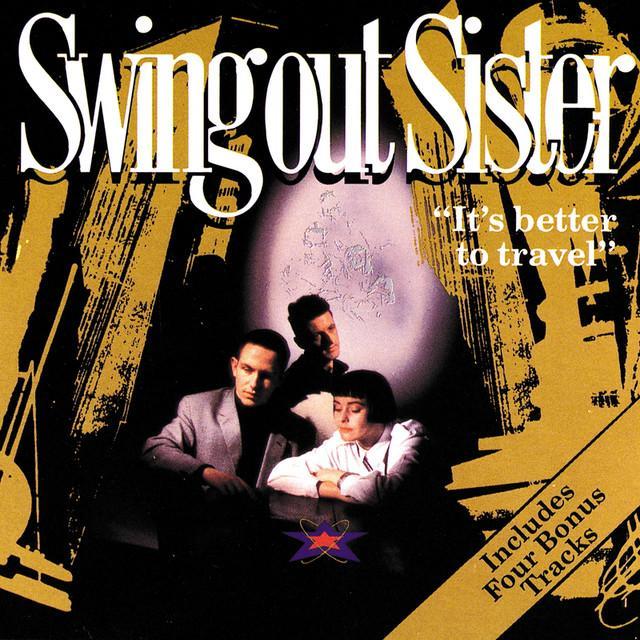
Released on 29 September 1986 as the second single from It's Better to Travel, "Breakout" became Swing Out Sister's breakthrough hit, reaching No. 4 in the UK and No. 6 on the Billboard Hot 100, while also hitting No. 1 on the U.S. Adult Contemporary chart. It was later nominated for a Grammy for Best Pop Vocal Performance by a Duo or Group. Those facts help explain why the song still matters: it was not just called "Breakout"; it actually was one.
The Core Message Hiding Inside the Hook
At its heart, the song speaks to people who feel trapped by confusion or disappointment. The verses describe a state where nothing seems reliable, confidence is slipping, and the future looks unstable. Instead of sitting in that uncertainty, the song pushes toward action.
That is why the repeated command Breakout
matters so much. It is not framed as a gentle suggestion. It sounds more like a line drawn in the sand. The song tells the listener that there comes a point when overthinking stops helping and movement becomes necessary.
Interpretation: This is a song about reclaiming agency. It argues that waiting for perfect clarity can become its own kind of prison.

Watch the official Breakout
music video
When the Verses Build a Crisis
The opening lines paint a world where explanations fail and certainty disappears. A short phrase like lost confidence
captures that emotional drop. The speaker is addressing someone whose faith in themselves has been shaken.
Then the lyric turns quickly from diagnosis to challenge. Phrases like don't hesitate
and find a way
transform the song from observation into instruction. That movement is key to the meaning of Breakout Swing Out Sister: the song does not stay in despair. It uses despair as the reason to act.
There is also a direct push toward self-expression. When the lyric says say what you want to say
, it widens the message beyond career or romance. This becomes a statement about identity. Breaking out means speaking clearly, asserting needs, and refusing silence.
The Real-Life Context Makes the Lyrics Stronger
The song's backstory deepens its meaning. According to widely cited accounts, Corinne Drewery wrote "Breakout" while recovering from a fractured skull after an equestrian accident. Around the same time, Swing Out Sister were under pressure from Mercury Records after their first single, "Blue Mood," failed to chart. The label wanted a strong follow-up fast, and the band needed to prove themselves.
That pressure can be heard in the song's urgency. Drewery also said the lyrics were inspired by her choice to leave a secure fashion career and pursue singing instead. In that light, "Breakout" is not abstract advice. It reflects a real moment when a safe path had to be abandoned for a riskier one.
Interpretation: The song works because it is both personal and universal. It grows out of one artist's leap, but it speaks to anyone facing a hard change.
How the Chorus Turns Fear Into Motion
The chorus is simple, but its simplicity is strategic. Repeating don't stop to ask
suggests that endless questioning can become a barrier. This is not anti-thinking; it is anti-paralysis.
One of the song's smartest moves is that it never promises comfort. Instead, it offers momentum. The phrase lay down the law
adds a tougher edge, implying boundaries, self-respect, and the refusal to be passive. By the time the hook returns again and again, it feels less like a pop refrain and more like a pep talk shouted over the edge of uncertainty.
Lay down the law
Shout out for more
Breakout and shout
Those lines condense the whole song into action, voice, and insistence.
Why the Sound Feels So Uplifting
Part of the song's brilliance is musical contrast. "Breakout" deals with insecurity, but it does not sound gloomy. It blends sophisti-pop and synth-pop with a polished rhythm, bright keyboards, punchy horns, and sweeping strings. Contemporary reviews praised its "irresistible rhythm," melodic vocals, and strong arrangement, and that assessment still fits.
That production matters to the meaning. If these lyrics had been set to a darker arrangement, the song might feel anxious or defeated. Instead, producer Paul Staveley O'Duffy and the band give the message lift. The groove creates the sensation of forward motion before the words even explain it.
In other words, the music performs the breakout. The beat keeps moving, the chorus opens wide, and Corinne Drewery's delivery stays poised rather than desperate. That balance makes the song empowering instead of frantic.
A Breakout in More Than One Sense
The title works on two levels. It means escaping a limiting situation, but it also reflects a breakthrough moment in pop culture. The single became the band's signature hit in both the UK and the U.S., and its stylish video leaned into Drewery's fashion background by showing her as a designer unveiling a bold creation.
That visual choice fits the lyric theme perfectly. The act of making, presenting, and stepping into public view mirrors the song's push toward self-definition.
Final Take on the Song's Meaning
So, what is the meaning of Breakout Swing Out Sister? It is about taking control when life stops making sense. The song tells listeners that confusion, fear, and pressure do not have to be the end of the story; they can be the trigger for a decisive new beginning.
Its lasting appeal comes from that mix of elegance and urgency. "Breakout" is polished pop, but its message is raw and human: speak up, move forward, and do not let hesitation choose your future.
Disclaimer: This interpretation is based on the song's lyrics, documented background, and musical context. As with any song, listeners may connect with it in different ways.







