Why Taking Back Sunday’s “Liar” Still Cuts
The meaning of Liar (It Takes One To Know One) Taking Back Sunday comes down to a hard truth: this is not just a song about being betrayed. It is also about how both people in a broken relationship may be dishonest, dramatic, defensive, and eager to keep score.
"Liar (It Takes One To Know One)" - Taking Back Sunday
Draped loose now around your hips
Your spotless instincts are valid
Loading lyrics...
Unable to load lyrics
We're unable to display the lyrics at this time. Please try again later.
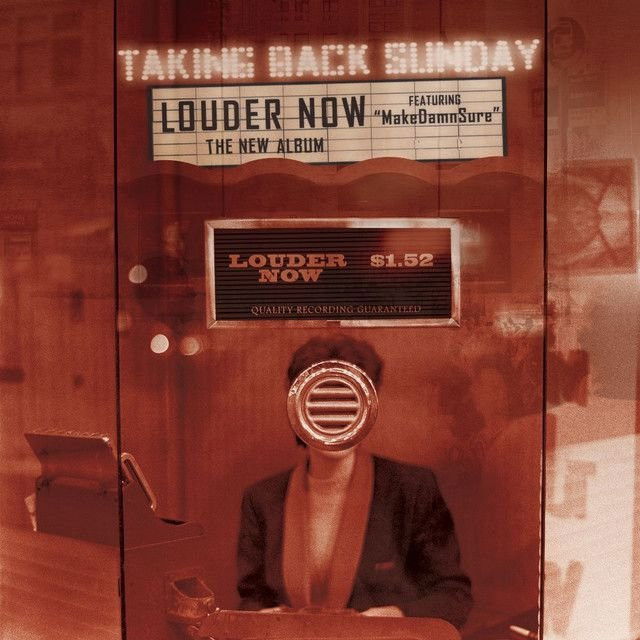
Released as the third single from Louder Now in 2006, the track sits in the band’s emo and pop-punk lane, but it also feels unusually sleek and punchy. According to Wikipedia, it was released from the band’s third studio album and reached No. 21 on Billboard’s Alternative Airplay chart. That success fits the song’s appeal: it turns emotional conflict into something catchy, sharp, and easy to shout back.
The Central Argument Hiding in Plain Sight
At its core, the song is about mutual guilt. The title points at one person, but the subtitle flips the accusation back. When the hook lands on It takes one to know one
, the band is not offering a clean hero-and-villain story. They are saying the accuser may share the same flaws.
That idea gets stronger in the chorus with if we’re keeping score
and choir boys at best
. Paraphrased, the speaker argues that once a relationship becomes a contest over who lied more, nobody comes out looking innocent. Even the “best” version of either person is still compromised.
Interpretation: the song treats lying as bigger than literal falsehood. It also includes emotional performance, selective memory, and self-justifying behavior.

Watch the official Liar (It Takes One To Know One)
music video
A Relationship Built on Secrets and Theater
The opening image suggests hidden problems are no longer hidden. The line about tailored trouble
makes those secrets sound custom-made, almost fashionable, as if dysfunction has become part of the relationship’s identity. That is a clever Taking Back Sunday move: they dress emotional mess in stylish language.
Then the song becomes more direct. The speaker admits, I’m an addict for dramatics
, and follows it by saying they confuse drama with love. That confession matters. Instead of pretending to be above the conflict, they admit they help create it.
This keeps the song from becoming simple finger-pointing. The other person may be accused of lying, but the narrator also knows they are drawn to chaos. In plain terms, they may love the intensity of the fight almost as much as they hate it.
Why “26 Days” Matters
One of the most intriguing details is the repeated countdown: 26 days to work with
. The song never explains it fully, which gives it tension. It sounds like a deadline hanging over the couple.
Interpretation: there are a few likely readings:
- They have limited time before separation.
- They are trying to patch things up before someone leaves.
- The countdown reflects touring life, distance, or unstable living conditions.
The later mention of going back to an island and asking how long this will hold adds to that unstable feeling. The relationship seems temporary, stretched thin, and always near collapse. The countdown does not sound romantic. It sounds procedural, like they are trying to manage damage before the next break.
The Chorus Turns Blame Into Self-Exposure
The chorus is the song’s real trick. On first listen, shouting Liar
feels like a pure accusation. But every line around it weakens the moral certainty of that label.
Liar
if we’re keeping score
we’re all choir boys at best
Paraphrased, the point is that moral scorekeeping fails because everyone involved is compromised. The phrase “choir boys” usually suggests innocence, but the song undercuts that image. Nobody here is pure; they are only pretending to be more righteous than the other person.
That irony is where much of the song’s meaning lives. It is angry, but it is also self-aware. It knows how easy it is to weaponize truth while hiding one’s own faults.
How the Sound Carries the Meaning
The production helps sell that push-pull feeling. The track was produced by Eric Valentine and the band, as noted in the song’s release information on Wikipedia. Valentine’s work often favors clarity and punch, and this song benefits from both.
The guitars are tight rather than messy, which makes the conflict feel controlled on the surface even when the lyrics are not. The drums drive forward with urgency, giving the countdown theme extra pressure. Most important, the vocal approach adds drama without losing shape.
Taking Back Sunday were known for trading vocal energy, and critics noticed the wordplay between Adam Lazzara and Fred Mascherino. That dynamic matters here. Even when one singer carries the line, the performance feels conversational, as if accusation and defense are happening at once.
The Video’s Lie Detector Sharpens the Theme
The music video pushes the song’s idea into a clear visual symbol. It places a subject on a lie detector while sketches and performance images appear around the test. In the reveal, Adam Lazzara is the one in the chair while the rest of the band watches behind glass.
That concept is smart because it turns suspicion into spectacle. The video asks the same question as the song: who gets judged, and who gets to do the judging? By making the frontman the test subject, it hints that the accuser is not outside the system. They are inside it.
Final Reading: Not Just About a Liar
The best way to understand the meaning of Liar (It Takes One To Know One) Taking Back Sunday is to hear it as a song about accusation turning into confession. It starts with blame, but it keeps exposing the speaker’s own weakness, vanity, and appetite for emotional chaos.
That is why the song still works. It captures a familiar relationship pattern: two people fighting over honesty while both shape the story to protect themselves. The result is catchy, bitter, and surprisingly mature beneath the shouting.
Disclaimer: This interpretation mixes documented context with informed reading of the lyrics and performance. Like many Taking Back Sunday songs, its meaning remains open to listeners’ own experiences.








