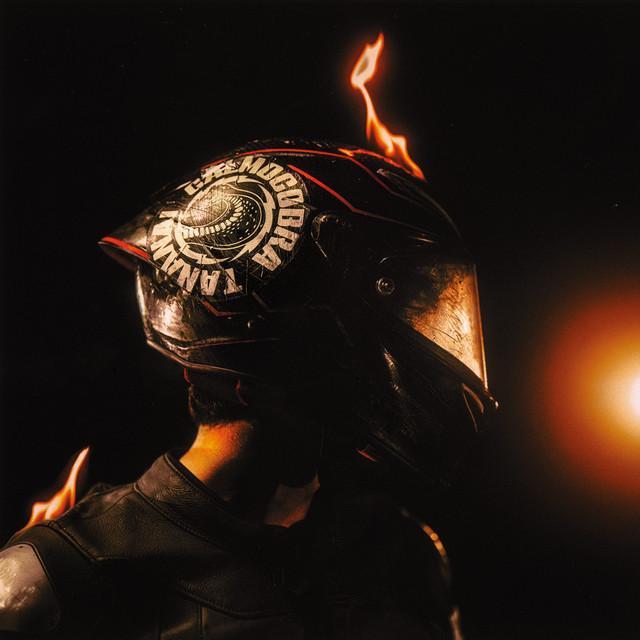
Why 'ALIBI' by Tananai Feels So Guilty
The meaning of ALIBI Tananai comes through fast: this is a breakup song about regret, mismatch, and the strange urge to stay close even when both people know the story is ending.
"ALIBI" - Tananai
Non hai bisogno di capirmi
Però puoi venire su da me
Loading lyrics...
Unable to load lyrics
We're unable to display the lyrics at this time. Please try again later.
Tananai, the stage name of Alberto Cotta Ramusino, is known in Italian pop for mixing emotional candor with sleek, modern production. Here, they turn a collapsing relationship into the language of crime, evidence, and blame. That choice gives the song a sharp hook, but the real feeling underneath is softer. It is less about accusing someone else and more about admitting they cannot fully defend themselves.
A Breakup Framed Like a Case File
The song opens with emotional distance. The two people do not fully understand each other, and the lyrics almost accept that fact. Instead of trying to solve everything, the narrator suggests temporary comfort: come over, play music, avoid the silence. That early mood matters because it shows a couple already leaning on atmosphere instead of true communication.
Soon, the song states the problem clearly. They were probably wrong for each other from the start. One person is light, forgiving, and socially warm; the other is darker, restless, and harder to carry through daily life. The contrast is drawn in vivid images, including bionda come una birra
and a darker self-portrait tied to cold nights. The point is not appearance alone. It is temperament.
Interpretation: the song suggests incompatibility, not lack of love. They may care deeply, but care is not enough to erase basic differences.
The Chorus Turns Heartbreak Into Guilt
The most memorable image arrives in the chorus, where the narrator imagines an investigation into a broken heart. In that scenario, they confess: non ho alibi
. Paraphrased, if heartbreak were a crime, they would have no defense.
That is the key to the meaning of ALIBI Tananai. The singer is not claiming they caused everything alone, but they do feel involved enough to plead guilty in an emotional sense. It is a dramatic metaphor, yet it sounds human because many breakups leave people replaying their mistakes like evidence.
There is another detail that deepens the scene: they are about to leave and have only a little time left. That creates urgency. They want to revisit the places they shared, almost like walking back through the case before it closes.
Per l'ultima volta ragazzi, noi
Prima che saltassero i piani
These short lines summarize the nostalgia well. Before the plans broke down, before the chaos took over, there was still a version of them worth remembering.
Memory, Public Life, and the "Double Life"
One of the most interesting lines mentions a doppia vita
, or double life. In context, the narrator says almost nobody knows the relationship is already over, but everyone notices this split existence.
That image can be read two ways. First, it may simply describe private pain hidden behind a public routine. Second, because Tananai is a public artist, it may hint at the strain between personal intimacy and an outward-facing life tied to performance.
Interpretation: the line does not need celebrity gossip to work. Even for ordinary listeners, a breakup often creates a double life: one self acts normal in public, while another is privately grieving.
How the Verses Build Two Opposite Personalities
The verses do a lot of character work in very little space. One person forgives the world; the other resents it by morning. One asks for summers from before fame or performance, recalling a simpler version of the relationship with quelle dove tu non cantavi
. That line matters because it points to a time before outside pressure, ambition, or identity got in the way.
The song also slips in flashes of domestic damage, like plans falling apart and plates flying. Those details keep the track from becoming dreamy nostalgia. This was not just a bittersweet ending. It was messy.
A useful way to read the narrative is:
- They cannot truly understand each other.
- They still seek closeness out of habit.
- They admit they were fundamentally different.
- The breakup becomes a source of guilt and self-judgment.
- Even so, they want one final look back before leaving.
How the Sound Supports the Lyrics
Even without quoting production notes directly, the song fits Tananai's style: polished pop with a confessional center. The likely effect is contrast. The melody can feel fluid and singable while the lyrics carry instability, blame, and emotional fatigue.
That contrast matters. A smooth pop structure makes the song feel accessible, almost like the narrator is trying to package pain into something they can survive. When the chorus lands, the legal metaphor hits harder because the music keeps moving while the words stop to confess.
The writing credits provided here name Alberto Cotta Ramusino and Paolo Antonacci, and that pairing makes sense for a track that balances immediacy with strong, memorable phrasing. The lines are conversational, but they are built around images that stick.
The Deepest Meaning of ALIBI by Tananai
In the end, the meaning of ALIBI Tananai is about facing the remains of a relationship without a neat excuse. The narrator sees the mismatch, remembers the tenderness, and admits the damage. They do not ask to be cleared. They ask, instead, for one last moment inside a story that is already gone.
That is why the song feels both sad and mature. It knows love can be real and still fail. It knows people can miss each other and still be wrong together.
Final Thought Before the Case Closes
Tananai gives heartbreak the shape of an investigation, but the real verdict is emotional, not legal. The song suggests that the hardest part of a breakup is not proving who was right. It is living with the fact that no explanation feels big enough.
Disclaimer: This article offers an interpretation of the song based on its lyrics and available context. Meanings can vary from listener to listener.







