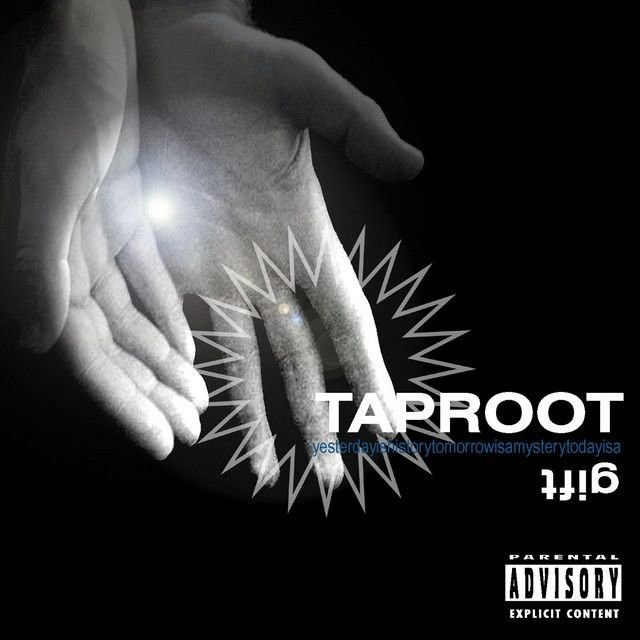
Smile by Taproot
A grin with resistance behind it
The meaning of Smile Taproot comes from a simple but sharp idea: they can stay themselves, reject control, and still choose a positive energy. On the surface, the title sounds light. But the song itself pushes in two directions at once—toward optimism and toward rebellion.
"Smile" - Taproot
Can't you see I'm still me, anti authority.
Same philosophy, enjoying life as much as, I can I will.
Loading lyrics...
Unable to load lyrics
We're unable to display the lyrics at this time. Please try again later.
That tension is what makes it work. The speaker is not describing an easy life. Instead, they are trying to hold onto identity while refusing to become passive. When they declare anti authority
, the song immediately frames itself as resistance. But it is not just political or social resistance. It also sounds personal, like a refusal to let other people define who they should be.

Watch the official Smile
music video
The core message: individuality over imitation
At its heart, the song argues for independence. The speaker insists they are still the same person, then turns outward to say another person should not want to be them anyway. That move matters.
Rather than asking for followers, they defend individuality itself. The line built around you’re an individual
gives the song its moral center. In plain terms, they are saying: stop comparing, stop copying, and live by your own choices.
This makes the track more thoughtful than its blunt language first suggests. It is not only a protest song. It is also a statement about self-respect. The speaker wants freedom for themselves, but they also want that same freedom for the listener.
Why the smile is “contagious”
The song’s title image does most of the heavy lifting. When the speaker talks about a contagious smile
, they are not simply describing happiness. They are describing energy that spreads.
Interpretation: In this reading, the smile is a symbol of conviction. It is the outward sign of someone who knows who they are and will keep moving. That is why the song links the smile with passion and the desire to succeed. The point is not to look cheerful for appearances. The point is to project inner resolve so strongly that it affects the room.
There is also a small irony here. A smile is usually read as soft, but Taproot uses it in a hard-edged way. It becomes a tool of survival, even defiance.
The turning point lives in the repetition
If one phrase captures the emotional pivot of the song, it is no more
. The repetition turns a basic statement into a release of pressure.
Before that moment, the song sounds like a person explaining their values. After it, the tone becomes more urgent. They are no longer just describing their outlook; they are drawing a line. Days are passing, and they refuse to keep sitting still.
That repeated ending suggests frustration, but also momentum. It feels like someone pushing themselves out of a stuck state. In a short song with simple lyrics, repetition becomes the main dramatic device.
days pass by
not gonna sit here
no more
Those lines distill the song’s movement from belief into action. They show a person who has reached a limit and decided to move.
How Taproot’s sound sharpens the meaning
Taproot came out of Ann Arbor, Michigan, in 1997 and built a reputation in alternative metal and nu metal for pairing heavy riffs with melodic hooks, according to publicly available band histories such as Wikipedia’s overview of the group. That context helps explain why “Smile” lands the way it does.
The music supports the lyric’s push-and-pull. The riff-driven attack gives weight to the anti-authority stance, while the melodic phrasing keeps the song from becoming pure anger. That blend mirrors the message: they are frustrated, but not defeated.
Early Taproot often worked in this space between abrasion and uplift. A song like “Smile” benefits from that formula because the lyrics are direct and even raw. The instrumentation adds dimension, making the speaker sound determined rather than one-note.
A snapshot of early Taproot identity
The writing credits supplied here—Jarrod Douglas Montague, Michael Frederick De Wolf, Philip M. Lipscomb, and Stephen Steele Richards—line up with Taproot’s original core lineup from the band’s early era. That matters because “Smile” feels like a mission statement from a young band still defining itself.
The song has the plainspoken honesty common to many late-1990s and early-2000s alt-metal tracks. It values feeling over polish. Instead of hiding behind metaphor, it says what it means in blunt terms.
Interpretation: That lack of ornament may be the point. The song wants to sound unfiltered because its message is about authenticity. A more poetic lyric might have softened the impact. Here, directness is part of the identity being defended.
Alternate ways to read the song
There are at least two strong readings of the meaning of Smile Taproot:
- Self-motivation anthem: The speaker is talking themselves through frustration, trying to keep momentum and belief alive.
- Message to outsiders: The speaker is responding to judgment or pressure, insisting that no one else gets to define their path.
Both readings fit the text. The first explains the focus on passion and success. The second explains the emphasis on being still me
and on refusing imitation.
Most likely, the song works because it holds both ideas at once. It is inner talk and outer defiance in the same breath.
Why “Smile” still connects
What keeps the song memorable is its emotional clarity. It does not overcomplicate its point. They want to stay authentic, keep moving, and turn that determination into something others can feel.
For listeners, that makes “Smile” less about happiness than about stance. It argues that optimism can be active, not passive. In Taproot’s hands, a smile is not surrender. It is proof that pressure has not changed who they are.
Disclaimer: This interpretation is based on the lyrics provided, the song’s musical style, and publicly known band context. Like most songs, “Smile” can support more than one valid reading.







