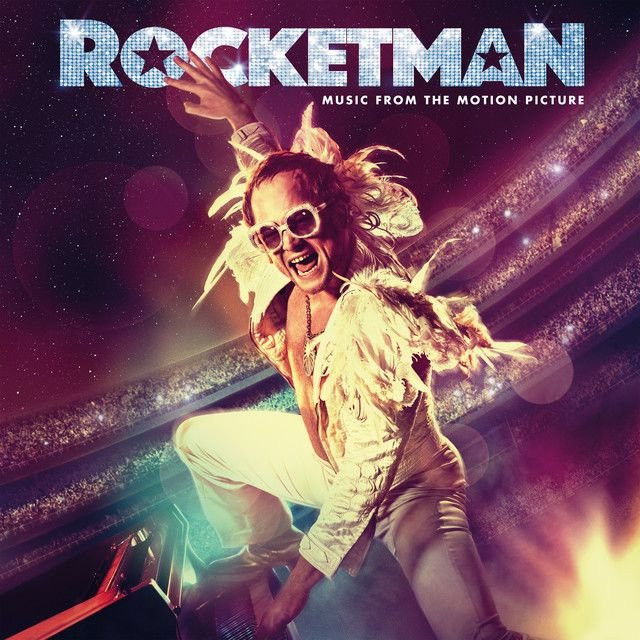
Tiny Dancer by Taron Egerton
The meaning of Tiny Dancer Taron Egerton starts with an important fact: Egerton did not write the song. He performs it as Elton John in Rocketman, while the original song was written by Bernie Taupin and Elton John for 1971’s Madman Across the Water. That context matters because Egerton’s version carries two stories at once: the song’s original meaning and the movie’s emotional framing.
"Tiny Dancer" - Taron Egerton
Seamstress for the band
Pretty eyed, a pirate smile
Loading lyrics...
Unable to load lyrics
We're unable to display the lyrics at this time. Please try again later.
Why This Song Feels Bigger Than a Love Song
At its core, “Tiny Dancer” is about fascination, tenderness, and the dreamlike pull of a woman who seems to stand for a whole place and time. In the original, Taupin was not simply writing about one person. As Songfacts reports, he later said the lyrics were inspired by his first trip to California and by the free-spirited women he met there.
So when listeners hear images like blue jean baby
or L.A. lady
, they are hearing more than a romantic description. They are hearing a portrait of early-1970s Los Angeles: stylish, warm, playful, and a little unreal. The woman in the song becomes a symbol of that world.
In Egerton’s performance, that feeling becomes even more personal. Because they are watching a film about Elton John’s rise, viewers often hear the song as part memory, part longing, and part emotional shelter.
Watch the official Tiny Dancer
music video
The Woman at the Center, and What She Represents
The lyrics sketch a woman who is grounded and glamorous at the same time. She is linked to music, performance, and movement. Terms like seamstress for the band
suggest someone close to the touring world, while the image of a pirate smile
gives her charm and mischief.
Interpretation: rather than presenting a fully detailed character, the song builds an aura. She feels half real and half mythic. That is why “Tiny Dancer” has lasted so long: the woman is specific enough to feel human, but broad enough to hold many meanings.
For some listeners, she is a muse. For others, she is California itself. In the Rocketman setting, they may also read her as a moment of comfort in a life full of pressure and performance.
How the Chorus Turns Intimacy Into Motion
The chorus is one of the most famous in pop music, but its meaning is quieter than its sing-along status suggests. When the song asks, Hold me closer
, it is not just romantic. It sounds tired, vulnerable, and deeply human.
The next images widen the frame. Counting headlights on the highway
places the scene in motion, likely after a long day, while sheets of linen
suggests rest and softness. The chorus blends travel, exhaustion, and intimacy into one emotional moment.
Hold me closer tiny dancer
Count the headlights on the highway
Lay me down in sheets of linen
Paraphrased, the chorus says: after the noise of the outside world, closeness is what feels real. That is a major key to the meaning of Tiny Dancer Taron Egerton. In film and in song, it becomes a plea for connection.
The Verses Show a Real City, Not a Fantasy
One reason the song feels rich is that it balances romance with street-level detail. The line about Jesus freaks
handing out tickets adds a flash of public life and culture. Los Angeles is not painted as pure glamour. It is busy, strange, spiritual, commercial, and theatrical all at once.
Then the song shifts back toward music halls, performers, and private emotion. That movement matters. It shows how the narrator passes through a public world but keeps returning to one central figure. The city may be crowded, but the emotional focus stays narrow.
Interpretation: this tension between spectacle and intimacy is why the song fits Rocketman so well. Elton John’s career was built on giant stages, but the film often asks what happened inside the person beneath the costume.
How Taron Egerton Changes the Meaning
Egerton’s version works because they are not just covering a classic. They are singing in character. In Rocketman, he performed the vocals himself, which gives the song dramatic purpose rather than karaoke nostalgia.
That choice changes the emotional weight. Elton John’s original recording feels warm, expansive, and observant. Egerton’s performance can feel more inward, because viewers connect it to the film’s themes of loneliness, fame, and the search for love.
This does not erase the original meaning. It layers onto it. The result is a version where “Tiny Dancer” can still be about California women and 1970s wonder, while also sounding like a cry for steadiness from someone whose life is spinning fast.
Why the Sound Matters So Much
Musically, “Tiny Dancer” helps tell its own story. The original recording is known for its piano-led structure, flowing tempo, and lush strings arranged by Paul Buckmaster. Those strings do not just decorate the song; they make it feel cinematic and open-hearted.
The arrangement also mirrors the lyrics. The verses move with detail and observation, while the chorus opens up emotionally. That lift is part of why the refrain feels so liberating.
Egerton benefits from all of that built-in drama. Even when listeners come through the movie first, they are still hearing a composition designed to feel both intimate and huge. That mix of softness and sweep is central to the song’s staying power.
Why It Still Connects Today
“Tiny Dancer” was not a huge hit at first, peaking at No. 41 in the U.S., but its cultural life grew over time, especially after Almost Famous revived it for a new generation. That later success makes sense. The song offers vivid images, emotional openness, and a chorus people can sing together without losing its tenderness.
For American listeners today, the meaning of Tiny Dancer Taron Egerton is really a meeting point between original intent and modern reception. It is about a captivating woman, a glowing vision of Los Angeles, and the need to be held close when life feels overwhelming.
Final Take Under the Spotlight
The best way to understand “Tiny Dancer” is to hear it as both portrait and feeling. Factually, Taupin drew from the women and atmosphere he encountered in California. Interpretation: in Egerton’s hands, the song also becomes a fragile search for comfort inside celebrity and chaos.
That is why it endures. It sounds grand, but its heart is simple: in the middle of motion, they want closeness.
Disclaimer: This article mixes verified song history with interpretation. Meanings can vary from listener to listener.









