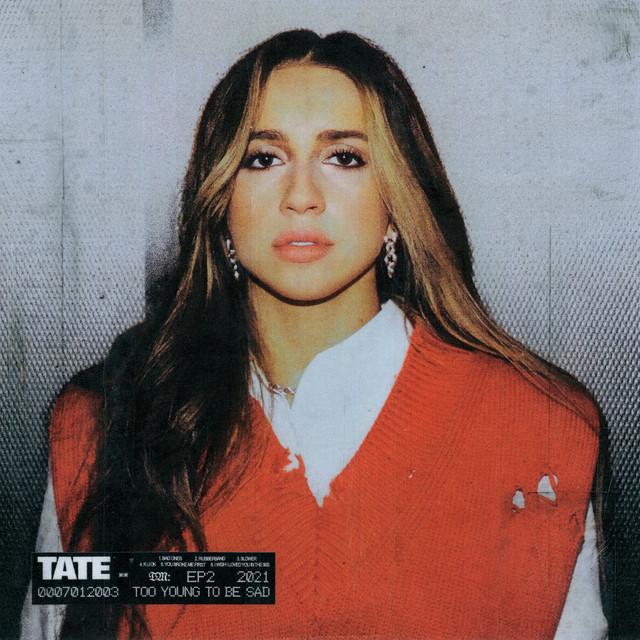
The Meaning of ‘you broke me first’ by Tate McRae
Why does a quiet breakup song feel like a mic drop? The meaning of you broke me first Tate McRae lives in that tension: a wounded confession that becomes a hard boundary. The narrator is done absorbing blame, and the song turns that moment into a cool, controlled stand.
"you broke me first" - Tate McRae
Maybe you don't like talking too much about yourself
But you should've told me that you were thinkin' 'bout someone else
Loading lyrics...
Unable to load lyrics
We're unable to display the lyrics at this time. Please try again later.
What This Breakup Actually Says
At its core, the track is about reclaiming power. The ex reaches out after silence, and the singer names the pattern, then closes the door. When she repeats you broke me first
, she isn’t begging. She’s documenting cause and effect.
Interpretation: The hook reframes pain as proof. The chorus doesn’t ask for sympathy; it sets terms. Hearing that line after the verses clarifies the message—this return call is too late.

Watch the official you broke me first
music video
Who’s Talking—and To Whom
The song uses first‑person address, speaking directly to an ex. Early details suggest a cycle of excuses—your phone’s been off
, a party, a car issue—now collapsing under scrutiny. The narrator’s tone is level, not explosive, which makes the refusal sting more.
That restraint is key. When the pre‑chorus lands on I ran out of every reason
, they stop justifying the relationship. The ledger is closed.
The Story in Four Beats
- Disappearing act: The ex vanishes, then calls when it’s convenient.
- Denial phase: The singer admits waiting and watching a phone, holding on to hope.
- The flip: News that the ex
moved on quicker
shatters the illusion. - The boundary: They return
asking for it back
, and she refuses.
These beats track a familiar arc from shock to self‑respect. The twist is how calm the refusal sounds.
The Chorus as a Line in the Sand
The chorus anchors that steadiness with a measured pushback:
Now suddenly you’re asking for it back Could you tell me, where’d you get the nerve?
Instead of pleading, she questions entitlement. Interpretation: The chorus is accountability in pop form—naming the nerve signals closure, not negotiation.
Symbols and Little Clues
- The dead line:
your phone’s been off
mirrors emotional unavailability. It’s not only about a device; it’s the quiet after a drop‑off. - The audit:
I ran out of every reason
sounds like a final balance sheet—no more excuses left to spend. - The return receipt:
asking for it back
turns love into an object. Treating it like property exposes the ex’s control habit. - The mirror question:
what did you think would happen?
redirects blame. She won’t carry both heartbreak and guilt.
Together, these images make the story feel lived‑in without oversharing names or scenes.
How the Sound Carries the Meaning
Production stays minimal—muted piano, airy pads, then a heavy low end that creeps in after the first verse. That patience reflects the narrator’s control. The drums arrive late, almost like she waits to respond before the beat does.
McRae’s vocal is close‑mic’d and slightly reverbed, so every syllable lands like a thought turning into a decision. Stacked harmonies widen the chorus just enough to feel like resolve, not rage. The empty space between hits lets the words breathe, underlining the calm, final tone.
Interpretation: The arrangement makes distance the point. Space in the mix equals space from the ex.
Context: Why It Resonated
Released in 2020, the song became McRae’s breakout moment, powered by social sharing and streaming momentum. She has described it as a vulnerable, straight‑to‑the‑vein pop cut that captured a messy truth while keeping it universal. That balance—specific details, broad emotion—helped listeners project their own stories onto the track.
The writing team (Tate McRae, Blake Harnage, Victoria Zaro) keeps the lyrics tight and repeatable, which boosted its spread. The phrase you broke me first
reads like a caption, a text, a boundary—all in four words.
Alternate Readings Worth Considering
- Interpretation: A wider cycle, not just a romance. The song could speak to any on‑again, off‑again dynamic—friendship, creative partner, even a habit of self‑betrayal. The language stays open enough to fit.
- Interpretation: Empowerment song disguised as heartbreak. The verses trace grief, but the chorus resolves like a mantra. It’s less about the ex than about the narrator finally choosing themself.
Takeaway for Listeners
If you’re searching for the meaning of you broke me first Tate McRae, here it is: it’s a cool‑headed closure song. It recognizes hurt, names a pattern, and chooses a boundary. That’s why it works as both a late‑night replay and a morning reset.
Disclaimer: Song meanings are subjective. This analysis blends reported context with interpretation based on the recording and lyrics.