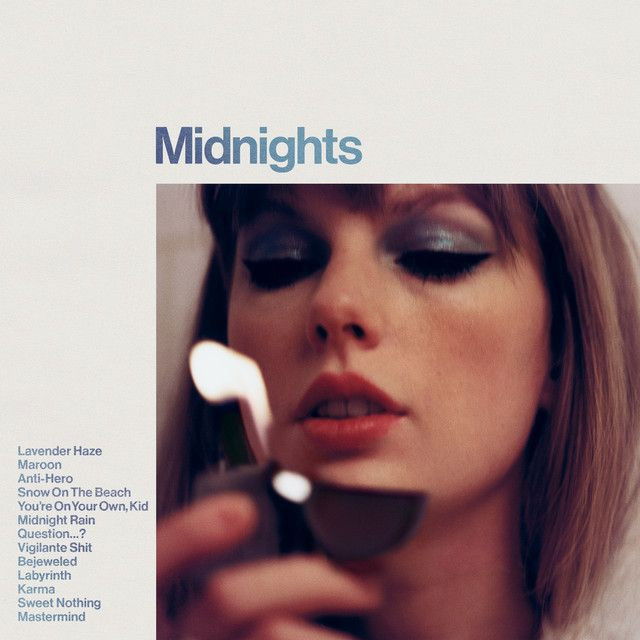
Anti-Hero by Taylor Swift
They turn the mirror on themselves and win a hit by telling an uncomfortable truth. If you’re searching for the meaning of Anti-Hero Taylor Swift, start here: it’s a pop confession about being your own antagonist. The song balances humor and heaviness, showing how fame amplifies ordinary insecurities rather than curing them.
"Anti-Hero" - Taylor Swift
Midnights become my afternoons
When my depression works the graveyard shift
Loading lyrics...
Unable to load lyrics
We're unable to display the lyrics at this time. Please try again later.
Owning the Villain: What the Song Really Says
Anti-Hero is not a pity plea. It’s a controlled self-drag in which Swift names habits that feed anxiety and self-sabotage. The chorus is a thesis statement: It's me, hi, I'm the problem
. She admits the blame before anyone else can.
Interpretation: The narrator fears that scrutiny—public and private—has distorted her self-view. She can stare directly at the sun
(face pain, punishment, or headlines) but avoids the mirror, where the mess feels inescapable. That tension fuels the hook and explains why the song resonates with listeners who struggle with impostor syndrome.

Watch the official Anti-Hero
music video
Who’s Speaking, and Who’s Listening?
The voice is first person, but it’s directed outward—to a partner, family, fans, and critics. A wry aside like At tea time
imagines a polite, distant crowd agreeing she’s at fault. The song works as a preemptive admission, more memoir than apology.
Interpretation: By labeling herself an anti-hero
, she reframes the pop-star role. Instead of the invincible lead, she’s the flawed center who still drives the story. This creates space for empathy without asking for absolution.
A Timeline of Spirals (In Three Acts)
- Night thoughts: restless scenes and “graveyard shift” moods set the stage for rumination and regret.
- Fear of abandonment: the recurring nightmare is not scandal but losing the people who matter.
- Public distortion: she feels like a
monster on the hill
—too big, too watched, never normal. - Dark comedy: the will-reading fantasy turns anxiety into a punchline, showing how catastrophizing can get absurd.
Each beat returns to the chorus, where the self-indictment becomes the hook you can’t shake.
Symbols That Do the Heavy Lifting
- Mirrors vs. sun: The sun suggests exposure and pain you can endure; mirrors suggest honest self-audit you’d rather avoid.
- Giants and babies: The
monster on the hill
next to “sexy baby” compresses body image, age, and power into one uneasy comparison. It’s satire about youth worship and the way celebrity makes a person feel freakish. - Politics joke: The jab at
covert narcissism
“disguised as altruism” lampoons public virtue-signaling while admitting the fear that even good deeds can be misread. - Family drama: The inheritance dream is black humor about legacy and trust—how anxiety invents villains when none are present.
These images widen the song beyond diary entry into cultural critique.
How the Sound Carries the Meaning
Co-produced by Taylor Swift and Jack Antonoff, Anti-Hero sits in crisp synth-pop: a steady drum machine, rubbery bass, and bright keys. The arrangement is lean, which spotlights the writing. Stacked vocals make the hook feel communal—like intrusive thoughts turning into a crowd chorus.
Small production choices mirror the theme. The kick is insistent, like pacing thoughts. The melody rides a narrow range in the verses, then widens on the hook, as if confession opens the room. It’s glossy enough for radio but keeps the lyrics front and center.
Alternate Readings Worth Considering
- Interpretation: Fame lens. Lines about size and optics read as a star’s problem—she’s famous enough to feel huge and out of place, even in public spaces where everyone else seems casual.
- Interpretation: Universal spiral. Remove the celebrity context, and it’s about perfectionism, insomnia, body anxiety, and the fear that loved ones will tire of your worst days.
Both interpretations can be true at once; the song’s power is that it scales from arena to bedroom.
Why It Stuck: The Pop Hook as Therapy
The chorus flips shame into a chant. Calling yourself the problem out loud reduces its sting and invites others to nod along. That’s why the meaning of Anti-Hero Taylor Swift persists: it gives language to private spirals and then wraps them in a beat you can carry through your day.
— Disclaimer: Song interpretations are subjective. This analysis combines reported facts with informed interpretation and is not the artist’s definitive intent.