Dear John by Taylor Swift
The breakup ballad beneath the open letter
The meaning of Dear John Taylor Swift centers on clarity after emotional confusion. The song tells the story of a young woman looking back on a relationship that left her hurt, manipulated, and wiser. It is not just a breakup song. It is a reckoning.
"Dear John" - Taylor Swift
My days once revolved around you
Counting my footsteps
Loading lyrics...
Unable to load lyrics
We're unable to display the lyrics at this time. Please try again later.
On the surface, Swift writes to an older former partner and finally explains why she walked away. The title uses the old idea of a "Dear John" letter, a note that ends a romance. But here, the letter becomes a full public statement. She is not quietly leaving. She is naming what happened and reclaiming her voice.

Watch the official Dear John
music video
What the lyrics say about power and age
A key part of the song is the age imbalance. Swift makes that point directly with too young to be messed with
and later references being nineteen. That detail matters because it frames the relationship as one where innocence met experience, and experience had the advantage.
Interpretation: The song suggests the speaker did not simply get their heart broken. They were drawn into a relationship where the rules kept changing. In the opening verse, the imagery of a floor giving way and a sky turning to rain shows emotional instability. She describes living in a kind of mental weather system controlled by someone else.
That theme gets sharper when she sings about a chess game
. The idea is strategic, not loving. A chess match has moves, traps, and winners. By using that image, Swift presents the relationship as one where the other person held the board.
A timeline of hurt, then understanding
The song unfolds in a clear emotional sequence:
- At first, the speaker is consumed by the relationship and tries to keep peace.
- Then they realize the partner is unpredictable and hard to trust.
- After the breakup, distance brings insight.
- Finally, they turn pain into testimony through song.
The chorus is where that understanding lands. When Swift says I see it all now
, the song pivots from confusion to recognition. That line is the emotional engine of the whole track. She is no longer asking what went wrong. She knows.
The girl in the dresscried the whole way homewrote you a song
Those lines compress the whole arc: innocence, damage, and artistic response. The girl who once cried becomes the writer who answers back.
The song’s most revealing images
Swift fills the song with memorable images that connect to its themes.
Weather, fire, and emotional whiplash
The line about a blue sky turning to rain captures mixed signals. A partner offers warmth, then withdraws it. Later, fire becomes the next big symbol. She describes someone who burns people out, then says she escaped before the flames caught her. In plain terms, the song argues that charm can hide destruction.
The final image, shining like fireworks
, flips the story. Earlier, the speaker feels small and shaken. By the end, they are bright, loud, and impossible to ignore. Fire changes from danger to self-assertion.
Tests, blame, and blurred lines
Another important image is the idea of "tests." Swift suggests the partner kept setting standards that could never be met. She also says he was good at apology and making boundaries unclear. That points to emotional manipulation: keeping someone off balance, then acting sorry enough to stay in control.
Interpretation: The song is not only about one bad romance. It is about how manipulation works. It creates self-doubt first, then hindsight later.
Why the sound matters as much as the words
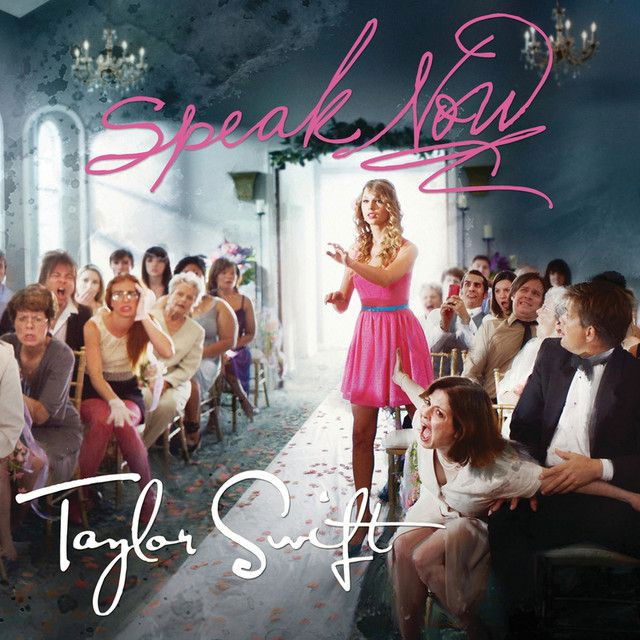
"Dear John" appears on Speak Now, released in 2010, an album written entirely by Swift alone. That fact matters because the song feels intensely personal and structurally deliberate. According to album credits, the track was produced by Taylor Swift and Nathan Chapman.
Musically, the song moves at a slow pace and stretches past six minutes. That length gives the emotions room to build. Instead of racing to the chorus, it lingers in unease. The guitar style and roomy arrangement have often been compared by listeners to blues-rock and soft rock ballad traditions, which fits the title's direct address and wounded tone.
Swift's vocal delivery is also crucial. She does not sound explosive for most of the song. She sounds controlled, tired, and gradually firmer. That restraint makes the ending hit harder. The performance mirrors the song's message: strength arrives through naming the harm clearly.
Context, reception, and the John Mayer question
Many listeners connected the song to John Mayer because of the title, timeline, and public speculation around their past connection. Swift did not need to confirm every detail for audiences to hear it that way. Mayer later told Rolling Stone the song "humiliated" him, which became part of the public conversation.
Still, the most useful reading stays with the text itself. Factually, the song is a first-person account written by Swift. Beyond that, exact one-to-one biography can distract from the broader point. Its staying power comes from how many listeners recognize the pattern: being dazzled, destabilized, and then finally seeing things clearly.
Why “Dear John” still resonates
The meaning of Dear John Taylor Swift lasts because the song turns private pain into a map of recovery. It names red flags without sounding clinical. It also captures a feeling many people know well: realizing too late that someone older or more experienced used that advantage badly.
In Swift's catalog, it stands as an early example of her writing about memory not as nostalgia, but as evidence. She revisits the past to correct the record. That is why the song still feels powerful years later.
Final takeaway
At its core, "Dear John" is about reclaiming perspective after manipulation. The speaker begins in confusion and ends in authority. They are no longer trapped inside the story; they are the one telling it.
Disclaimer: This interpretation is based on the released lyrics, recording, and public context. Some readings are interpretive rather than confirmed statements of intent.








