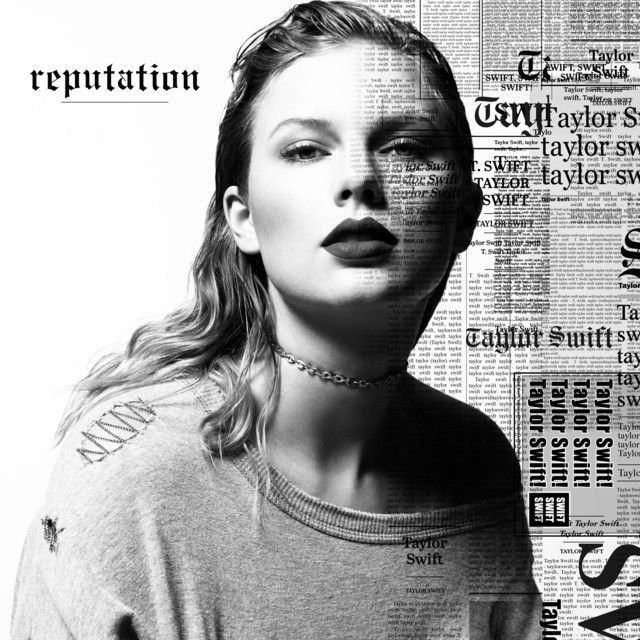
Look What You Made Me Do by Taylor Swift
Swift’s most polarizing single turns public backlash into pop theater. The meaning of Look What You Made Me Do Taylor Swift delivered in 2017 is part revenge tale, part brand reset, and part media satire. It’s less a breakup song than a manifesto about who gets to define a narrative.
"Look What You Made Me Do" - Taylor Swift
Don't like your tilted stage
The role you made me play
Loading lyrics...
Unable to load lyrics
We're unable to display the lyrics at this time. Please try again later.
A Reckoning, Set to a Dark Pop Pulse
At its core, the song is about betrayal, image control, and choosing power over apology. The narrator rejects being cast as the fool and speaks directly to an unnamed adversary, framing the conflict as cause and effect. The hook’s repetition acts like a gavel: the verdict is transformation.
Interpretation: the track reframes victimhood. By leaning into the “villain” caricature, Swift flips the script, turning anger into agency.
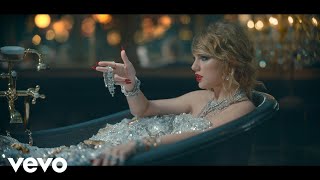
Watch the official Look What You Made Me Do
music video
Who’s Speaking—and Who’s in the Crosshairs?
The voice is first-person and unflinching. When they mention a tilted stage
, it conjures a rival’s platform and a warped playing field. When they say I got smarter
, the line marks a turning point from naivety to calculation.
Interpretation: the “you” is both a person and the public. The song addresses a betrayer while also speaking to media spectators who turned drama into sport.
What Happens, Beat by Beat
- The narrator calls out deceit and public humiliation.
- They vow evolution—
rose up from the dead
—announcing a harder self. - They keep score with a
list of names
, a symbol of memory and consequence. - The chorus hammers the cause-and-effect refrain, shifting blame back to the instigators.
- The bridge widens the scope to trust—
I don't trust nobody
—and promises nightmares for enemies.
Why the Chorus Hits Like a Hammer
The chorus reduces language to a chant, echoing playground taunts and stadium stomps. That minimalism makes the message unavoidable: actions against the narrator forced a change. Interpretation: it’s less “you made me act” and more “your choices revealed who I need to be.”
Symbols and Easter Eggs, Decoded
“Kingdom keys” and “thrones” recast pop stardom as court intrigue. Snakes—embraced during the album rollout—become emblems of reclaimed power. The bridge delivers the most pivotal image:
"I'm sorry, the old Taylor can't come to the phone right now" "Why?" "'Cause she's dead"
It’s a funeral for a public persona and a birth announcement for a new one. Interpretation: the line isn’t a literal death; it’s radical boundary-setting.
How the Sound Carries the Bite
The production—by Taylor Swift and Jack Antonoff—blends electropop and dance-pop with a synth-punk edge. Strings and piano dramatize the pre-chorus, then drop into a sparse, chant-driven hook that feels cold and mechanical. The song is in A minor at a brisk 128 BPM, which adds urgency.
Crucially, the chorus rhythm interpolates Right Said Fred’s “I’m Too Sexy,” which is why Richard and Fred Fairbrass and Rob Manzoli are credited. That sly borrowing turns swagger into menace, fitting a track that satirizes celebrity while weaponizing it.
Context, Reception, and Impact
Released August 24, 2017, as the lead single from Reputation, it followed a year of public controversy and retreat. Critics were split: some praised the risk and self-mythology; others bristled at the harshness. Listeners, however, made it a smash—debuting at No. 1 on the Hot 100 and setting 24-hour viewing and streaming records at the time. The music video, stacked with visual callbacks and self-referential jokes, amplified the narrative of self-reclamation.
Alternate Readings That Also Fit
- Personal vendetta: The lyrics scan as a confrontational letter to a betrayer. The scorekeeping, karma, and mock-epic imagery match a revenge arc.
- Meta-media satire: The “actress” in “bad dreams” nods to the character Swift was assigned by tabloids. The song plays that role to excess to expose it.
- Inner dialogue: The “you” is the old self or the impulse to be liked. The execution of that persona is a boundary against pleasing everyone.
Takeaway
Whether heard as diss, satire, or self-help, the meaning of Look What You Made Me Do Taylor Swift offers is the same: no more playing nice. The song turns scandal into strategy and sneers into fuel.
Disclaimer: Song meanings are subjective. This reading draws on the lyrics, production, and public context available at release and afterward.
Sources
- https://en.wikipedia.org/wiki/Look_What_You_Made_Me_Do
- https://www.rollingstone.com/music/music-features/taylor-swift-rolling-stone-cover-story-lover-874407/
- https://www.billboard.com/pro/taylor-swift-look-what-you-made-me-do-hot-100-number-one/
- https://americansongwriter.com/behind-the-meaning-of-taylor-swifts-revenge-anthem-look-what-you-made-me-do/








