How Taylor Swift Turned Memory Into "Tim McGraw"
The meaning of Tim McGraw Taylor Swift starts with a simple idea: they cannot stop a breakup, but they can shape how it is remembered. That is what makes the song feel both young and wise. It is not really about the country star in the title. It is about using music as a memory trigger after a summer relationship ends.
"Tim McGraw" - Taylor Swift
Put those Georgia stars to shame that night
I said, "That's a lie"
Loading lyrics...
Unable to load lyrics
We're unable to display the lyrics at this time. Please try again later.
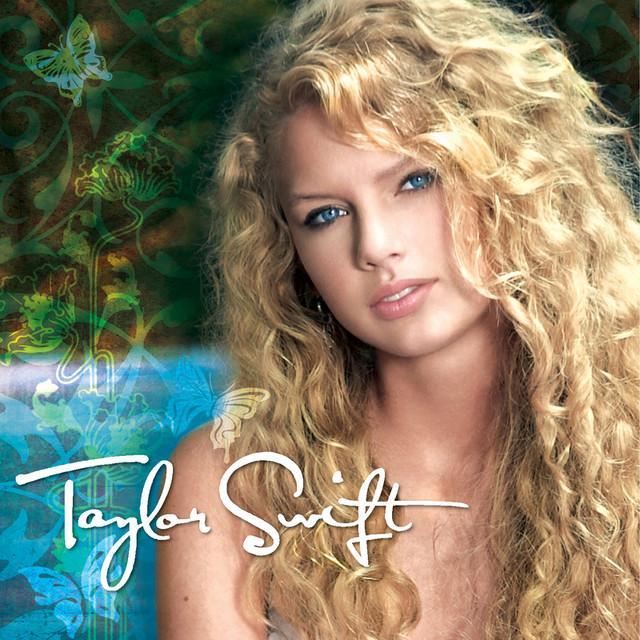
Released as Swift’s debut single in 2006 from her self-titled debut album, the song introduced a style that would define much of her career: sharp details, a clear timeline, and emotions that feel private but widely relatable. According to Wikipedia, Swift wrote it with Liz Rose, and Nathan Chapman produced it as an acoustic guitar-led country ballad.
The Real Heart of the Song
At its core, the song is about wanting to be remembered kindly. The narrator does not beg for the relationship back. Instead, they ask for a place in the other person’s memory. That is a subtle but important difference.
When the chorus returns to Tim McGraw
, it turns a famous name into a personal symbol. A country song on the radio becomes linked to a lake, a dance, clothes, and a season that is now gone. In other words, the title is a shortcut to lost time.
Interpretation: This is why the song feels so mature for a teenage writer. They understand that after love ends, people often live on through reminders rather than through contact.

Watch the official Tim McGraw
music video
A Breakup Told Through Objects and Seasons
One reason the writing works so well is that it avoids vague sadness. Instead, it uses concrete images: a truck, backroads, the lake, a black dress, blue jeans, and a letter under the bed. These details do not just decorate the story. They build a memory world.
The opening image of a Chevy truck
on backroads places the romance in a specific country setting. That setting matters. It gives the song a grounded, rural texture that fit Swift’s early image in Nashville.
Then the timeline shifts. Summer becomes September, and September becomes tears. That change in season mirrors the emotional change from warmth to loss. By moving from carefree nights to private grief, the song shows how fast young love can turn into memory.
The Letter Changes Everything
The song’s most revealing image is the unread letter. It suggests that the narrator wants to speak, but not in a dramatic, confrontational way. They write instead of calling. They leave words behind and step away.
Someday you'll turn your radio onI hope it takes you back
This is the song’s emotional strategy in miniature. They cannot control the future, but they can plant a future feeling. The hope is modest, almost fragile.
Why the Chorus Feels So Strong
The chorus works because it repeats desire without sounding demanding. Swift keeps returning to I hope you think of me
, not “you must” or “you should.” That phrase matters. It makes the song wistful rather than bitter.
There is also a smart contrast between public and private memory. A public thing—the music of Tim McGraw—opens the door to private scenes, like my old faded blue jeans
. The effect is clever: a whole relationship is stored inside ordinary items.
Interpretation: The chorus is less about reunion than about narrative control. The narrator cannot keep the person, but they can try to define what the relationship will mean later.
Sound and Production: Why It Feels Like Dusk
The production helps carry that meaning. The track is mid-tempo and understated, led by acoustic guitar, with fiddle, mandolin, and Dobro in the arrangement. Those choices keep the song soft and reflective instead of dramatic. A fuller, louder production might have made the breakup sound angry. This one sounds like someone looking back across water at night.
Music scholars have noted that the song uses the classic '50s chord progression, which gives it a timeless pull. That matters because the lyric is already about memory. The melody feels familiar, almost inherited, as if the heartbreak belongs both to one teenager and to a much older song tradition.
Swift’s vocal also adds to the effect. She sings with restraint, not force. That lighter delivery makes lines such as That's a lie
land in an interesting way. It shows some skepticism and personality right from the start. They are romantic, but not naive.
Artist Context Makes the Meaning Richer
The song’s backstory deepens its impact. Swift has said the idea came to her in math class while thinking about a boyfriend leaving for college, and she and Liz Rose finished it quickly afterward. Songfacts quotes Swift saying it was not literally about Tim McGraw, but about a relationship and the things that would remind someone of her.
That context explains the title’s brilliance. It was bold enough to grab attention, but specific enough to feel real. It also worked as a debut statement: this new artist understood country tradition while writing from a teen point of view.
The industry response supports that reading. The single peaked at No. 6 on Hot Country Songs and No. 40 on the Billboard Hot 100, and it later earned double-platinum certification in the U.S., according to the RIAA. Critics have also treated it as a blueprint for Swift’s later songwriting, especially her gift for linking emotion to vivid detail.
Why “Tim McGraw” Still Lasts
The song lasts because almost everyone knows what it means to attach a feeling to a song. Hear the track years later, and an old room, car ride, or relationship can come back in seconds. Swift built her debut single around that common human experience.
So the meaning of Tim McGraw Taylor Swift is not just first love or first heartbreak. It is the wish that something beautiful remains after the ending. Memory becomes the final form of the relationship.
Final Thought
“Tim McGraw” introduced Taylor Swift as a songwriter who could make small details feel huge. It is a breakup song, but also a song about curating memory with grace.
Disclaimer: This interpretation separates documented facts from critical reading. Song meaning can vary from listener to listener.







