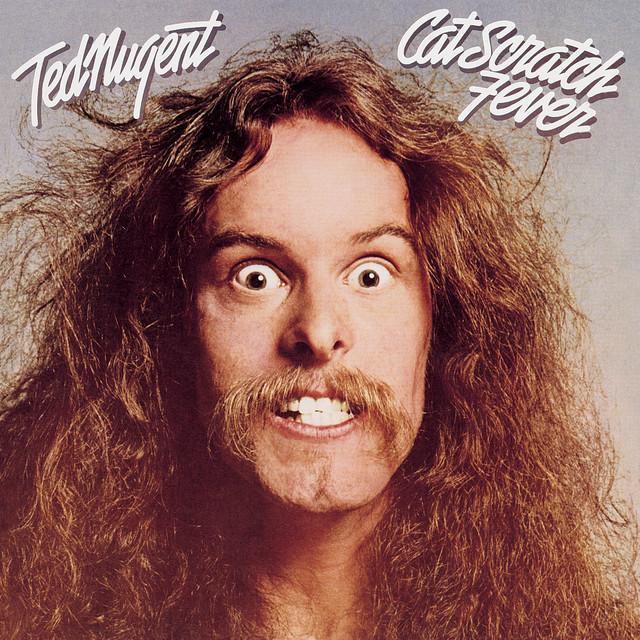
What ‘Cat Scratch Fever’ Really Means
The meaning of Cat Scratch Fever Ted Nugent starts with a joke and ends with a swagger. On the surface, the title sounds like a strange sickness. In practice, the song turns that phrase into a loud, dirty, and very obvious metaphor for sexual desire. That is the core reading most listeners, critics, and song databases have landed on over the years.
"Cat Scratch Fever" - Ted Nugent
But they sure do come
I hope they comin' for me
Loading lyrics...
Unable to load lyrics
We're unable to display the lyrics at this time. Please try again later.
Released in 1977 as the title track from Cat Scratch Fever, the song became one of Ted Nugent’s biggest crossover hits, reaching No. 30 on the Billboard Hot 100 and later earning a place on VH1’s hard rock rankings. Just as important, it stuck because of its riff: blunt, catchy, and built to feel like trouble.
A Title That Turns Illness Into Desire
Factually, the phrase “cat scratch fever” refers to a real infection. But in Nugent’s song, that medical idea is repurposed into a sexual one. Song meaning sites and music writers have long treated the “cat” as a stand-in for women and the “fever” as lust.
That reading fits the lyrics almost line by line. The narrator does not describe pain, fear, or real illness. Instead, they describe craving, pursuit, and a kind of comic loss of control. When the chorus repeats cat scratch fever
, it frames desire as something catchy, irrational, and impossible to ignore.
Interpretation: The phrase works because it blends danger and pleasure. A fever is hot, consuming, and hard to shake. That makes it a neat rock-song image for obsession.
Watch the official Cat Scratch Fever
music video
The Story the Verses Are Really Telling
The song is not plot-heavy, but it does have a rough timeline. It moves like a bragging story:
- The narrator introduces an incoming rush of desire.
- They trace it back to being young, with
just ten years old
used as a provocative setup for the metaphor. - They say a “cure” did not last.
- By the end, they shift from having the fever to spreading it.
That last turn matters. Early in the song, the narrator seems overtaken by lust. Later, they claim control and sexual power. Lines like they know just where to go
and I do it for free
make the voice sound cocky, playful, and deeply self-mythologizing.
Interpretation: The song sells desire as both a burden and a badge of honor. It is something the narrator “gets,” but also something they proudly “give.”
How the Chorus Sells the Fantasy
The chorus is simple on purpose. Repetition is the whole trick. By saying cat scratch fever
again and again, the song makes the phrase sound bigger than its literal meaning. It becomes a slogan.
That matters in hard rock, where a hook often carries the personality of the song more than a detailed story does. Here, the hook is half threat, half invitation. It sounds contagious, but also exciting.
It’s nothin’ dangerous
I feel no pain
you’re going insane
That short passage captures the song’s central game. It downplays the danger while also admitting the feeling can overwhelm a person. The contradiction is the point.
The Sound Is Part of the Meaning
The meaning of Cat Scratch Fever Ted Nugent is not only in the lyrics. It lives in the guitar. The song is famous for a signature riff often described as a short blues-scale figure harmonized in parallel fourths. In plain terms, it is a chunky, slightly nasty riff that feels physical the moment it starts.
That riff does several jobs at once:
- It gives the song a stalking, teasing feel.
- It keeps the mood playful rather than romantic.
- It turns lust into something mechanical and relentless.
American Songwriter described the track as driven by a party-ready electric guitar figure, and that is fair. The beat is not graceful. It stomps. Nugent’s vocal delivery follows the same logic. They do not sing the song like a confession. They sell it like a grin.
Ted Nugent Context Matters
Nugent wrote the song himself, and it reflects a style he was known for in the 1970s: riff-first hard rock, big attitude, and blunt sexual imagery. According to Songfacts, Nugent has described his writing process as starting with guitar ideas and building lyrics after the groove is in place. That helps explain why this track feels designed around feel before detail.
Songfacts also quotes Nugent downplaying the need for listeners to overthink his lyrics. That is useful context. It suggests the song was meant to hit fast, not unfold like poetry.
Still, “not meant to be deep” does not mean “has no meaning.” It clearly performs a certain kind of rock masculinity: bragging, chasing, and turning sex into spectacle.
Why the Song Lasted
Part of the song’s legacy comes from how easily its hook travels. It has shown up in films, TV, and cover versions, including a notable Pantera take tied to Detroit Rock City. Some uses lean into the innuendo. Others just want the wild-cat energy of the title.
That split is revealing. The song is both specific and broad. Specific, because the innuendo is hard to miss. Broad, because the riff and title are so catchy that people can detach them from the lyrics.
Final Take on the Song’s Message
So what is the meaning of Cat Scratch Fever Ted Nugent? At its simplest, it is a hard-rock metaphor for lust presented as a fever: funny, aggressive, contagious, and impossible to ignore. The lyrics are not subtle, and they are not trying to be.
Interpretation: The song lasts because it turns a crude joke into a complete sonic identity. The words boast, but the riff is what makes the boast believable.
Disclaimer: This interpretation separates documented facts from critical reading. Meaning can vary by listener, even when a song’s innuendo seems clear.







