Why 'Stranglehold' Feels Bigger Than a Breakup
The meaning of Stranglehold Ted Nugent often gets reduced to raw machismo. That is part of it, but the song works because it feels larger than one simple threat or one failed romance. It sounds like a declaration of power, a refusal to be pushed aside, and a performance of total control.
"Stranglehold" - Ted Nugent
Like a dog in heat
You tell it's me by the clamor now, baby
Loading lyrics...
Unable to load lyrics
We're unable to display the lyrics at this time. Please try again later.
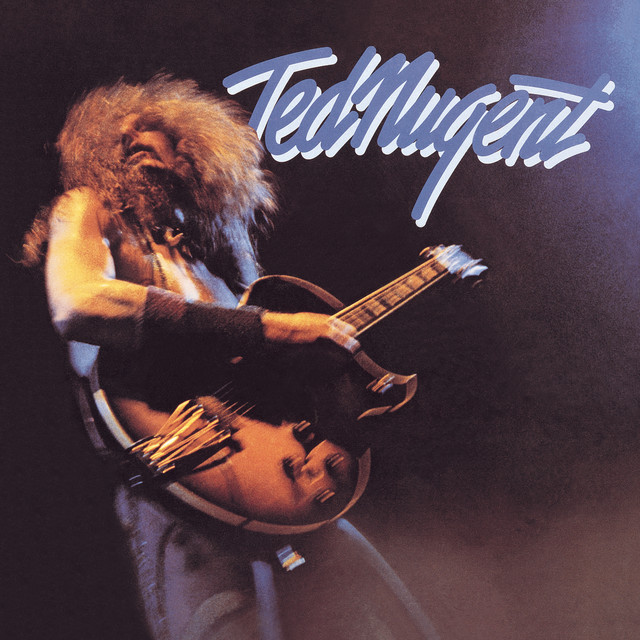
Released in September 1975 as the opening track on Ted Nugent, the song runs more than eight minutes and became one of Nugent’s best-known recordings, even though it was not a standard single release. Credited writers are Ted Nugent, Rob Grange, and Derek St. Holmes, with production by Tom Werman and Lew Futterman, according to reference summaries gathered by Wikipedia and Songfacts.
The Core Idea Behind the Song
At the most basic level, the narrator presents themself as unstoppable. From the first verse, they arrive with noise, heat, and menace. Short phrases like like a dog in heat
and tear up the streets
build a picture of someone who wants to overwhelm everything around them.
Interpretation: The song is less about romance than about domination. The title image, got you in a stranglehold
, suggests control so tight that the other side cannot escape. That can sound personal, even intimate, but the scale of the language pushes it beyond a simple lover’s argument.
Watch the official Stranglehold
music video
Is It About a Person or a Power Struggle?
One reading is straightforward: the narrator feels rejected, then answers that hurt with rage and revenge fantasies. When the lyrics mention someone leaving and the speaker being put in their place, the emotional engine looks like humiliation turning into aggression.
But there is another reading that fits the song just as well. Songfacts reports Nugent described the track as an act of defiance toward music-industry doubters, calling it a statement of confidence in his sound. In that light, the song’s threats become metaphorical. The enemy is not only a lover; it is anyone who tried to dismiss or contain him.
That broader interpretation helps explain the song’s oversized tone. The lyrics do not stay in one room or one relationship. They move into roads, fire, force, and conquest.
The Violent Language and What It Does
The song uses violent imagery, and that is impossible to ignore. Phrases such as burn it down
and crushed your face
push the speaker into dangerous territory.
Interpretation: These lines function as exaggeration and intimidation, not careful storytelling. They are there to create a mythic rock persona: part outlaw, part predator, part survivor. The song’s emotional logic is that of swagger, not realism.
That matters because the lyrics are not detailed or reflective. They are blunt and repetitive. Instead of explaining motives, they hammer the same feeling again and again: nobody will stop this force once it starts moving.
How the Hook Turns Pressure Into Meaning
The chorus is memorable because it is simple. The title phrase does nearly all the work. A “stranglehold” is not just influence; it is suffocating control.
Come on, come on up
Come on, come on up
Even the chant-like section adds to the song’s meaning. It sounds less like invitation than command. The repetition creates tension, like the song is pulling the listener deeper into the groove.
Why the Music Matters as Much as the Words
A big part of the meaning of Stranglehold Ted Nugent comes from the sound. The riff is slow, thick, and stalking rather than fast. That choice is important. Speed might have suggested panic, but this groove suggests confidence. The narrator does not rush because they believe they already own the space.
The original studio version featured Derek St. Holmes on lead vocals, with Nugent on guitar and singing the get higher
section, as noted by Songfacts. Producer Tom Werman also described using tape effects to create duet-like guitar echoes and spatial movement in the mix, details summarized by Songfacts and Wikipedia.
Those production choices matter. The echoing guitar lines make the performance feel bigger than one player in one room. The result is a sonic version of the lyric’s main idea: expanding power.
Artist Context Helps Explain the Swagger
Context sharpens the song’s meaning. Research sources note that Epic initially resisted the track because of its length and lack of a traditional chorus, but Nugent insisted on it. Songfacts also cites Nugent framing the song as a middle-finger response to industry skepticism.
That history makes the song easier to hear as artistic defiance. The narrator is not only angry. They are convinced of their own greatness and unwilling to compromise. That attitude is part of why the track became a live favorite and a signature piece over time.
So What Does "Stranglehold" Mean?
The best answer is that it means power performed at maximum volume. On the surface, it can sound like a breakup threat. Underneath, it works as a fantasy of dominance aimed at anyone who doubts the speaker’s force.
Its enduring appeal comes from that blend of menace and groove. The lyrics are simple, but the feeling is huge: control, ego, revenge, and refusal all packed into one long, hypnotic rock performance.
Disclaimer: This article offers interpretation, not a definitive statement of authorial intent. Song meanings can shift based on listener experience, performance context, and available artist commentary.







