Why 'Call Me a Dog' Still Cuts Deep
The meaning of Call Me a Dog Temple of the Dog comes down to wounded love, pride, and the strange line between devotion and humiliation. It is one of Chris Cornell's rawest relationship songs, and it feels personal because it never hides the shame or the anger.
"Call Me a Dog" - Temple of the Dog
'Cause it ain't no use to pretend you're wrong
And you call me out, I can't hide anymore
Loading lyrics...
Unable to load lyrics
We're unable to display the lyrics at this time. Please try again later.
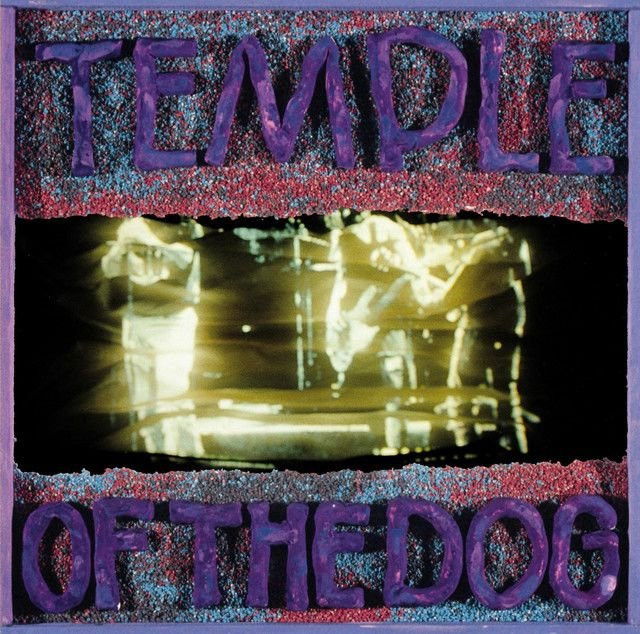
Temple of the Dog released the track on their 1991 self-titled album, a one-off project formed after the death of Andrew Wood, Cornell's friend and former roommate. That history is well documented, including by Songfacts. But unlike the band's clearest tribute songs, this one turns inward. It is less about grief for a friend and more about what happens when love starts to feel degrading.
The Heart of the Song: Love Without Equality
At the center of the song is a speaker who knows they are being looked down on. Right away, they accept the insult call me a dog
, but the acceptance is not simple surrender. It sounds more like grim honesty. They know the relationship is broken enough that pretending would be useless.
That is what gives the song its bite. The narrator does not claim innocence. Instead, they admit flaws while also showing that the other person uses those flaws as a way to control them. In plain terms, this is a song about being loved conditionally, or maybe being kept close without being respected.
Interpretation: The speaker may still want the relationship, but they also see how damaging it has become. That tension drives every verse.

Watch the official Call Me a Dog
music video
Who Is Speaking, and to Whom?
The narrator speaks in first person to a romantic partner who seems disappointed, superior, or emotionally withholding. The lyrics suggest a long pattern of blame. When the speaker says there is no disguise
, they imply that the partner sees through every defense and every weakness.
Research from Songfacts says Cornell wrote the song as an ode to his then-wife Susan Silver, and that it likely reflected relationship problems before they married. That background should not erase other readings, but it helps explain why the song feels so intimate. It is not abstract heartbreak. It sounds like a private argument turned into a confession.
A Short Story of Shame, Blame, and Restraint
The verses move through a series of humiliations. The partner says being with the narrator is bad luck. The speaker feels used up, compared to something worn out and left for warmth. Later, they are portrayed as low or dirty, almost animal-like, sleeping rough and living outside normal respectability.
Then comes one of the song's sharpest turns: the image of searching for value and returning with less than nothing. The line about digging for gold
and bringing back a handful of coal
suggests failed ambition, failed love, or both. The narrator tried to bring home something worthy and came back condemned instead.
That image matters because it keeps the song from becoming simple self-pity. The speaker admits failure. But they also hint that failure has become part of how the other person defines them.
Why the Chorus Hurts More Than the Verses
The chorus is where the song reveals its moral center. The key idea is not revenge. The narrator imagines a moment when they could strike back, expose hypocrisy, or return the insult. Yet even then, they say they would call the other person beautiful, or say nothing.
I'll call you beautiful
If I call at all
Paraphrased, the speaker is saying: when their chance for payback comes, they may choose mercy or silence instead. That is why the chorus lands so hard. It shows self-control in the middle of resentment.
Interpretation: This could be noble restraint. It could also be emotional exhaustion. Either way, the song suggests that dignity sometimes looks like refusing to join the cruelty.
The Dog, the Leash, and Other Symbols
The song's main symbol is obvious but powerful. A dog can mean loyalty, dependence, low status, or something kept under command. Late in the song, the image of being on a leash
makes the power imbalance explicit. This is not just a bruised romance. It is a relationship where one person feels managed.
Other images deepen that idea:
- The old coat suggests being worn out and used for comfort.
- The woods and wild animals suggest rejection and social exile.
- Stones and bluff-calling suggest judgment, accusation, and the chance to retaliate.
Together, these images build a picture of someone treated as both familiar and disposable.
How the Sound Carries the Meaning
Musically, "Call Me a Dog" is slower and more spacious than a lot of early-'90s rock radio. Temple of the Dog brought together Cornell with Stone Gossard, Jeff Ament, Mike McCready, and Matt Cameron for the album, a lineup tied closely to the Seattle scene and the musicians who would help shape Pearl Jam. Songfacts describes the album as a grunge landmark and an early sign of what was coming from that camp.
The arrangement fits the lyric perfectly. The guitar work feels bluesy and tired rather than explosive. The rhythm section moves with a heavy drag. Cornell sings with aching force, but he never oversells the pain. That balance makes the song feel lived in, not theatrical.
Final Take on the Meaning
So, what is the meaning of Call Me a Dog Temple of the Dog? Most clearly, it is a song about accepting hard truths in a relationship while resisting total loss of self. The narrator can admit weakness, feel shame, and still refuse to become cruel in return.
That mix of hurt, pride, and restraint is why the song still lasts. It captures a kind of love that has gone wrong but has not fully turned cold.
Disclaimer: This interpretation is based on the lyrics, documented background, and widely reported context. Like many great songs, it remains open to more than one valid reading.







